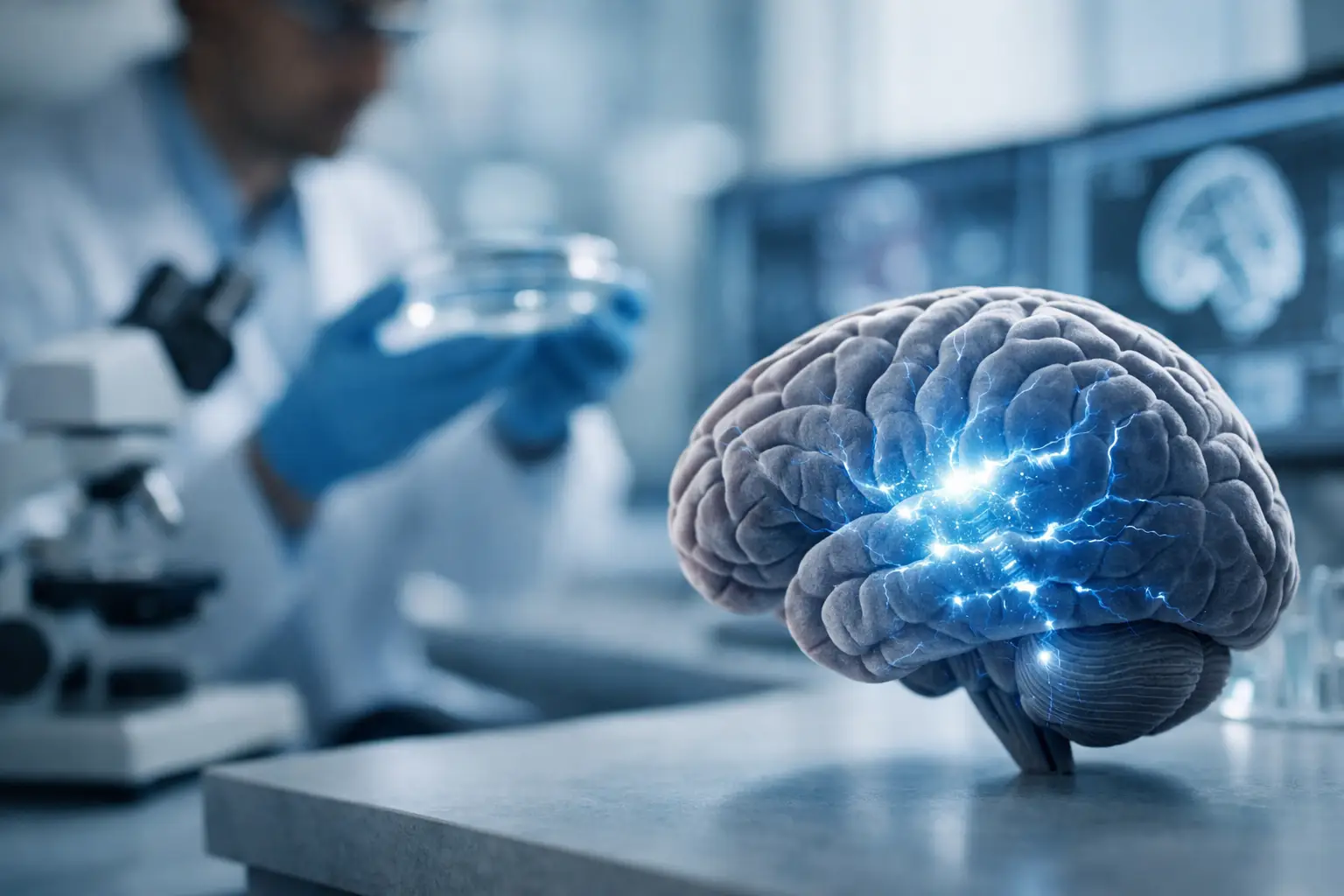
The Future of Brain Clearance Science Is Here
For decades, brain health has been framed as a question of chemicals: raise this neurotransmitter, block that receptor, slow that symptom. But what if part of the answer lies upstream, in whether the brain can clear the metabolic debris it produces every day? The future of brain clearance science is forcing that question into the center of the conversation – and for families facing Alzheimer’s, Parkinson’s, dementia, brain fog, or a frightening family history, it cannot arrive soon enough.
The brain is not a static organ. It is a high-energy command center that produces waste as it thinks, moves, remembers, and repairs. If that waste is not efficiently moved out, the consequences may reach far beyond a bad night of sleep. Brain clearance research is changing the way scientists think about cognitive resilience, and it challenges the old idea that decline is simply an unavoidable part of aging.
The Brain Has Its Own Cleanup System
For years, researchers understood that the body relied on the lymphatic system to remove waste from tissues. The brain appeared different. It has limited conventional lymphatic drainage within its tissue, yet it is one of the body’s most metabolically demanding organs. So how does it keep itself clean?
A major part of the answer is the glymphatic system. Often called the brain’s dishwasher, this network helps move cerebrospinal fluid through spaces around blood vessels and brain cells. In the process, it may help wash away soluble metabolic byproducts, including proteins associated with neurodegenerative disease, such as beta-amyloid and tau.
The word “may” matters. Science is still working out precisely how this system functions in living humans, how much clearance changes disease risk, and which interventions produce meaningful long-term outcomes. But the central discovery is already powerful: the brain has maintenance pathways, and their performance appears connected to sleep, circulation, inflammation, aging, and cellular health.
Think of it like a sink. A sink can still function when the drain is partly clogged, but water does not move as freely. Over time, backup becomes more likely. The same systems-level logic may apply to the brain. Clearance is not the only issue in neurological decline, but it may be one of the most overlooked.
Why Sleep Is a Brain-Clearance Event
Sleep is not passive downtime. Deep sleep appears to be one of the periods when brain fluid dynamics shift in ways that may support waste movement. Research in animals helped bring this idea to public attention, showing that sleep can increase the exchange of fluid within the brain and enhance the removal of certain waste products.
Human research is more complicated, but the direction is hard to ignore. Poor sleep, sleep fragmentation, insomnia, and untreated sleep apnea have all been associated with cognitive concerns and changes relevant to Alzheimer’s disease risk. That does not mean one restless night causes dementia. It does mean that chronically disrupted sleep should not be dismissed as a minor inconvenience.
For many adults, especially caregivers and people over 50, sleep becomes harder precisely when it becomes more valuable. Pain, stress, frequent waking, medications, late-night screens, alcohol, and breathing problems can turn eight hours in bed into far less actual restoration. A brain that never reaches enough deep, consolidated sleep may lose an important window for maintenance.
This is where future brain science will likely become more personal. Instead of asking only, “How many hours did you sleep?” clinicians may increasingly ask whether you are getting restorative sleep, whether your breathing is stable, whether you wake repeatedly, and whether your daily habits support the brain’s overnight housekeeping.
The Future of Brain Clearance Science Is Bigger Than Sleep
Sleep may be the headline, but it is not the whole story. The glymphatic system depends on a broader biological environment. Blood vessel health matters because fluid movement occurs along vascular pathways. The blood-brain barrier matters because it helps control what enters and exits the brain. Immune signaling matters because chronic inflammation can alter the environment in which brain cells function and repair.
Researchers are also studying astrocytes, the star-shaped support cells that help regulate fluid movement in the brain. One protein of intense interest is aquaporin-4, a water channel concentrated around blood vessels. In laboratory and animal models, its placement and function appear relevant to glymphatic flow. Aging, injury, inflammation, and vascular changes may all affect this delicate architecture.
That complexity is not a reason for helplessness. It is a reason to reject one-dimensional answers. No single tea, supplement, workout, or prescription can replace a whole-brain maintenance strategy. The future is likely to be layered: better sleep medicine, earlier screening for vascular risk, more precise brain imaging, targeted therapies, nutrition, movement, stress support, and tools designed to support the body’s natural resilience mechanisms.
What Science May Change in the Next Decade
The most meaningful advances may not look like one miracle drug. They may look like a new standard of care that recognizes brain clearance as a measurable, modifiable part of neurological health.
Advanced imaging is one promising area. Researchers are developing ways to observe fluid movement, perivascular spaces, and clearance-related changes more closely in humans. If these tools become more practical and reliable, they could help identify impaired brain maintenance before severe symptoms appear.
Sleep diagnostics may also become more neurologically focused. A sleep study may someday be viewed not only as a test for snoring or daytime fatigue, but as a valuable assessment of long-term brain risk. Treating sleep apnea, protecting deep sleep, and reducing repeated nighttime disruption could become core components of cognitive prevention strategies.
Personalized medicine will matter, too. A 45-year-old with chronic stress and insomnia needs a different approach than an 80-year-old with vascular disease, medication complexity, and early memory changes. Genetics, injury history, metabolic health, environmental exposures, and lifestyle all shape the picture. The best future care will not pretend every brain has the same clogged drain.
There is also a necessary caution. The glymphatic system is exciting science, but it is not permission for exaggerated promises. We do not yet have proof that improving a single marker of clearance prevents Alzheimer’s or reverses Parkinson’s. Anyone claiming certainty is moving faster than the evidence. Yet waiting for perfect certainty before supporting foundational habits is not wisdom, either.
What You Can Do While the Research Advances
The practical response is not panic. It is agency.
Start with sleep. Protect a consistent sleep and wake schedule. Ask a clinician about persistent insomnia, loud snoring, gasping, morning headaches, or daytime sleepiness. Sleep apnea is common, underdiagnosed, and treatable. Addressing it can be one of the most concrete actions a family takes for both daily energy and long-term brain support.
Support circulation with regular movement that fits your current capacity. A brisk walk, strength work, balance training, cycling, or water exercise can support cardiovascular health without requiring an extreme fitness identity. What matters is consistency and safety, especially for people with neurological symptoms or mobility limitations.
Reduce the conditions that keep the body in a constant state of strain. That may include poorly controlled blood pressure, blood sugar instability, smoking, excess alcohol, chronic inflammation, and unmanaged stress. These are not moral failures. They are signals worth taking seriously because brain health is connected to whole-body health.
Nutrition also belongs in the conversation. A pattern built around colorful plants, quality protein, healthy fats, fiber, hydration, and fewer ultra-processed foods gives the brain raw materials for energy and repair. Botanical and nutrient-based formulas may have a place in a thoughtful wellness routine, but they should complement, not replace, medical evaluation or prescribed treatment.
At My Brain Restore™, we believe this is the shift people have been waiting for: supporting the brain not merely after symptoms become impossible to ignore, but through the natural systems that help maintain it every day.
The future will bring better imaging, sharper biomarkers, and more targeted interventions. But the message is already clear enough to act on: your brain is not just a collection of symptoms to manage. It is a living system that needs rest, flow, nourishment, protection, and ongoing maintenance. Treat that maintenance as worthy of attention now – while you still have the power to shape the road ahead.
Similar Posts
Third Party Supplement Testing Review for Brain Health
A third party supplement testing review explains how to verify identity, purity, potency, and contaminants before choosing brain health formulas wisely.
How to Improve Glymphatic Function Naturally
Learn how to improve glymphatic function naturally with sleep, movement, hydration, and daily habits that support the brain’s waste-clearing system.
How to Assess Cognitive Changes Before They Grow
Learn how to assess cognitive changes with a clear baseline, real-world observations, and medical red flags that call for prompt action and answers early.
A Guide to Brain Aging Prevention That Starts Now
Our guide to brain aging prevention explains sleep, movement, metabolic health, and brain clearance habits that support resilience as you age each day.
Is Brain Fog Early Decline? What to Watch For
Is brain fog early decline? Learn what occasional lapses can mean, which warning signs deserve attention, and how sleep and brain clearance may matter.
How to Support Memory With Botanicals Daily
Learn how to support memory with botanicals while protecting sleep, circulation, and the brain’s nightly cleanup system with science-led, practical habits.