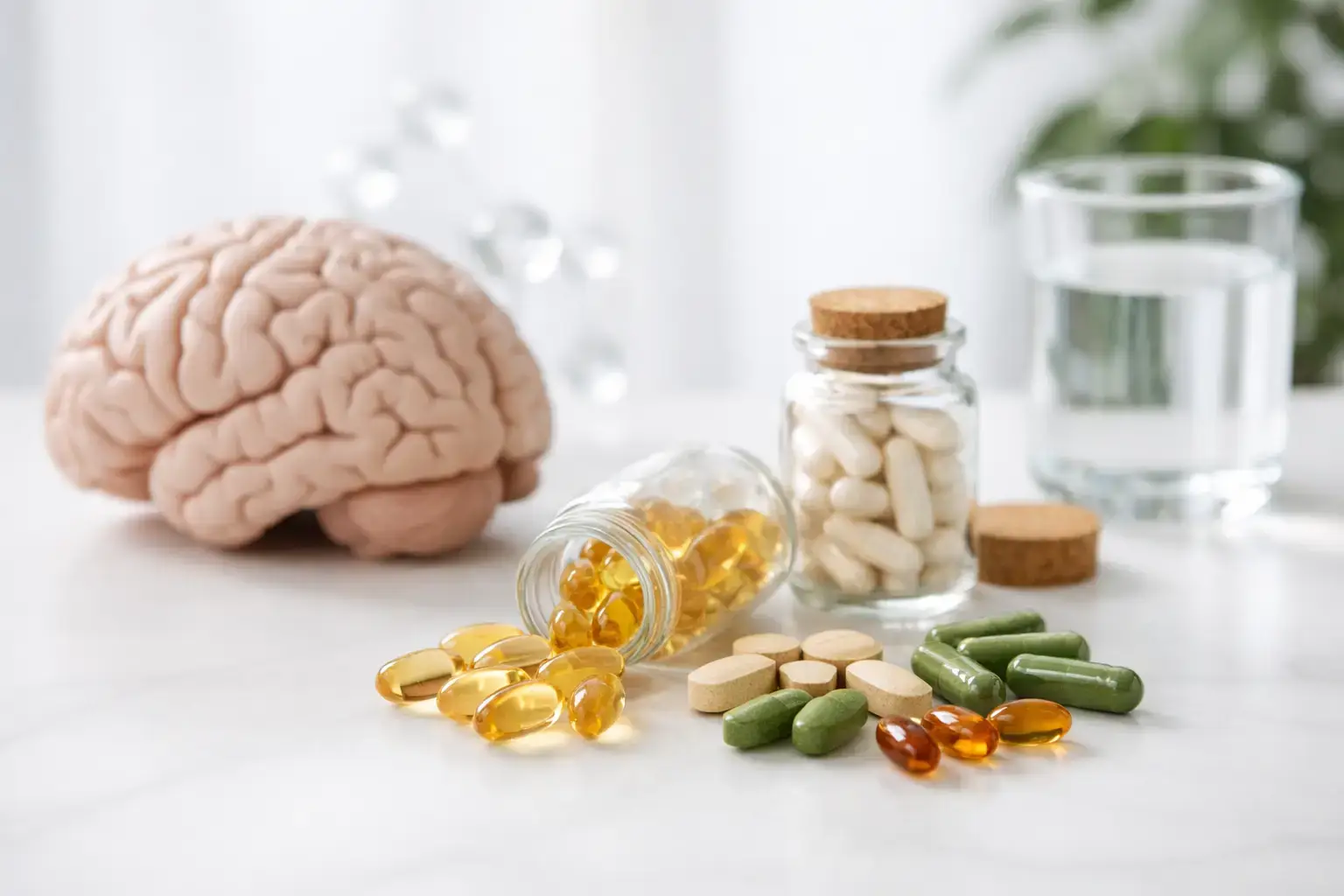
Preventive Brain Health Supplements That Matter
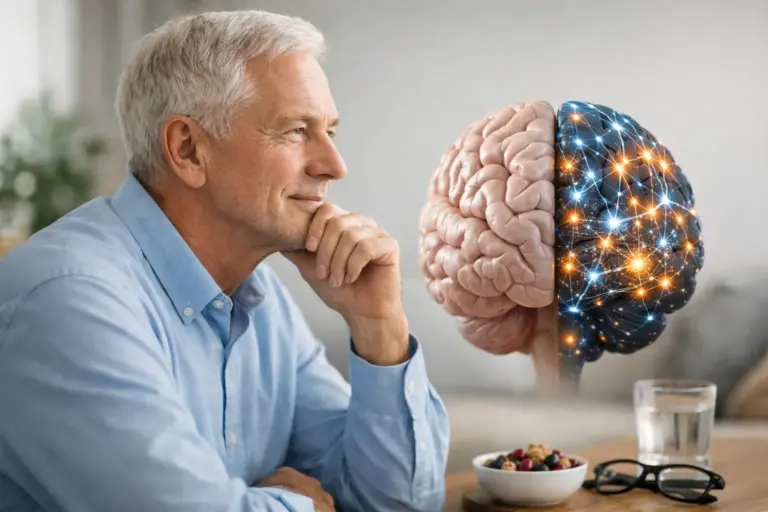
If you wait for memory lapses, brain fog, tremors, or clear neurological decline before you act, you are already playing defense. That is the central truth behind preventive brain health supplements. The brain does not suddenly fail in a single dramatic moment. In many cases, stress, inflammation, poor sleep, toxin burden, and impaired waste clearance build quietly for years before symptoms become obvious.
That is why prevention matters so much. Not because a supplement is a magic shield, and not because every product on the market deserves your trust, but because the brain is an organ under constant demand. It generates waste, responds to inflammation, depends on circulation, and needs deep restoration every single day. If those maintenance systems begin to struggle, the effects may show up slowly, then all at once.
For people with a family history of Alzheimer’s, Parkinson’s, dementia, or unexplained cognitive decline, that reality can feel personal. For caregivers, it can feel urgent. And for anyone disappointed by the limits of conventional neurological care, prevention is not a wellness trend. It is a strategy.
What preventive brain health supplements are really trying to do
The best preventive brain health supplements are not simply aimed at making you feel more alert for a few hours. That is a completely different category. A stimulant can make you feel switched on. Prevention is about supporting the conditions that help the brain stay cleaner, calmer, and more resilient over time.
That means looking beyond quick-focus ingredients and asking deeper questions. Does a formula support healthy inflammatory balance? Does it help the body manage oxidative stress? Does it support sleep quality, because deep sleep is when critical repair and waste clearance processes are most active? Does it nourish vascular and neurological function without overpromising instant results?
This is where many consumers get misled. They buy a flashy nootropic expecting a dramatic mental boost, when what they may need is support for the brain’s maintenance systems. Think of it like a house. You can paint the walls and change the lights, but if the plumbing is backing up, the real problem remains.
The clearance conversation most brands skip
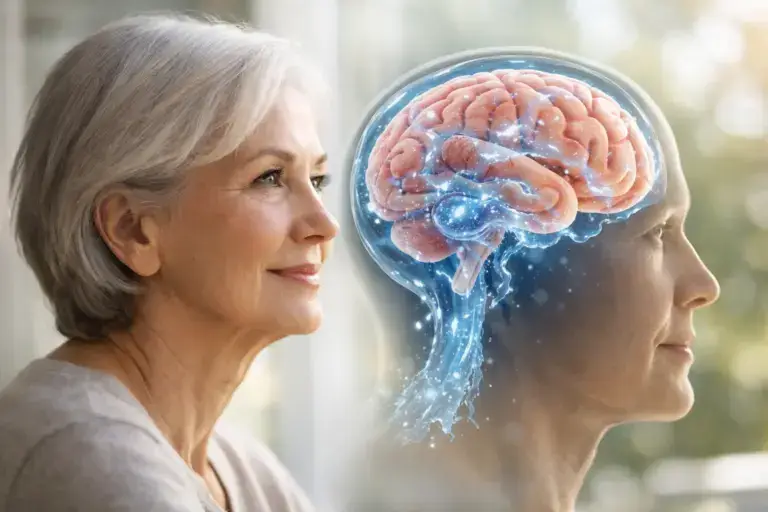
One of the most overlooked ideas in brain wellness is that the brain needs a way to clear metabolic waste. This is where the glymphatic system has drawn so much attention. In simple terms, it acts like part of the brain’s cleaning network, helping move waste products out, especially during deep sleep.
A useful analogy is the brain’s dishwasher. Throughout the day, your brain runs hard. It produces byproducts. It handles stress chemicals. It responds to environmental inputs and internal damage. At night, the cleaning cycle is supposed to help wash out what does not belong. When that process is impaired, the sink can start to clog.
That does not mean every supplement claiming glymphatic support is automatically credible. It does mean that a preventive strategy focused on sleep, inflammation, circulation, and restorative pathways is more grounded than the old model of simply chasing neurotransmitters. This systems-level view is exactly why the conversation around brain health is changing.
What ingredients deserve a closer look
No ingredient should be treated like a miracle, especially in a category tied to fear and aging. But some have stronger logic behind them than others.
Botanical compounds with antioxidant and anti-inflammatory activity often make sense in preventive formulas because chronic inflammation and oxidative stress are deeply tied to aging and neurodegeneration. Certain herbs also have traditional use histories that matter, not as folklore alone, but as starting points that modern science can evaluate more seriously.
Nutrients that support sleep quality are also highly relevant. This is the part many people resist because they want a daytime brain solution, yet poor sleep can sabotage nearly every brain-protection goal. If deep sleep is compromised, the brain’s restorative housekeeping is compromised too.
Compounds that support healthy blood flow and vascular integrity may also matter more than consumers realize. The brain is energy hungry and circulation dependent. A formula can sound sophisticated, but if it ignores the delivery systems that keep the brain nourished, it is missing part of the picture.
What matters most is formulation logic. Do the ingredients work toward a coherent goal, or are they just a pile of trendy names? A serious preventive formula should feel designed, not assembled.
How to judge preventive brain health supplements without getting fooled
The supplement industry has a credibility problem, and brain health is one of the most emotionally charged categories in it. When people are scared of decline, they are vulnerable to hype. That is why skepticism is healthy.
Look first at mechanism. A formula should explain what it is trying to support and why. Broad claims like supports memory and focus are weak on their own. A more credible approach explains the pathway, whether that involves oxidative stress, inflammatory burden, sleep-dependent restoration, or brain waste-clearance support.
Then look at whether the brand respects the difference between support and cure. If a company acts like one bottle can reverse every neurological issue, walk away. Real brain health work is more honest than that. It acknowledges complexity, timing, and individual variability.
Finally, consider whether the formula fits a preventive goal rather than a symptom-chasing goal. Prevention is not about waiting to feel terrible and then demanding an instant fix. It is about creating better conditions before visible decline takes hold.
Why timing matters more than most people think
One of the hardest truths in neurology is that damage can develop long before diagnosis. By the time many people seek help, they have already spent years under chronic stress, poor sleep, metabolic dysfunction, and unresolved inflammation. That does not mean support is pointless later on. It means earlier action gives you more room to work with.
This is why preventive brain health supplements are most powerful when people stop thinking in crisis mode. You do not maintain heart health only after a major event. You do not protect bone density only after a fracture. The brain deserves the same respect.
For adults in midlife, especially those with a family history of decline, the preventive window may be right now. For caregivers, prevention may also mean looking at their own health, not only the person they are helping. The stress load of caregiving can wear down sleep, cognition, and resilience fast.
The trade-offs no honest article should ignore
Supplements are tools, not substitutes for sleep, nutrition, movement, metabolic health, and medical care. If someone is sleeping five broken hours a night, highly sedentary, and overloaded with sugar and chronic stress, even a well-designed formula has limits.
There is also the issue of expectations. Preventive support often feels less dramatic than symptom-driven products because the goal is not a stimulant jolt. It may be steadier sleep, clearer mornings, better resilience under stress, or simply the discipline of supporting brain maintenance before decline becomes visible. That can be harder to market, but it is often more rational.
And of course, not every person needs the same approach. Someone dealing with age-related concerns, someone under intense cognitive strain, and someone with neurological symptoms may all require different levels of support and clinical guidance. It depends on history, medications, underlying conditions, and goals.
A smarter way to think about brain protection
The old model taught people to wait. Wait for the diagnosis. Wait for the symptoms. Wait until forgetfulness becomes impairment, until brain fog becomes dysfunction, until concern becomes crisis. That model has failed too many families.
A smarter model asks what supports the brain before the warning lights flash. It looks at sleep as maintenance, not downtime. It treats inflammation as a serious neurological issue, not a side note. It pays attention to the brain’s cleanup systems, not just its chemistry. And it respects the fact that resilience is built long before it is tested.
This is why brands like My Brain Restore have pushed a more disruptive conversation around brain support. Not because the field needs more noise, but because too many people were never told that maintenance pathways matter.
If you are evaluating preventive support, think less about hype and more about housekeeping. Is the brain being nourished? Is it being protected from chronic stressors? Is it being allowed to clean, clear, and restore? Those are not glamorous questions, but they are the ones that matter.
The most powerful step is often the one people postpone – choosing to care for the brain before decline demands your full attention.
Similar Posts
A Guide to Brain Aging Prevention That Starts Now
Our guide to brain aging prevention explains sleep, movement, metabolic health, and brain clearance habits that support resilience as you age each day.
Natural Options for Parkinson’s Families That Matter
Natural options for Parkinson’s families include sleep, movement, food, stress relief, and informed supplement choices that support daily resilience today.
How to Discuss Supplements With a Neurologist
Learn how to discuss supplements with neurologist visits clearly, safely, and confidently – from medication risks to questions about brain health goals.
Can Brain Clearance Support Healthy Aging?
Can brain clearance support healthy aging? Learn how sleep, movement, and daily brain-support habits may help protect long-term cognitive resilience today.
How to Create a Memory Support Plan That Lasts
Learn how to create a memory support plan built around sleep, movement, nutrition, connection, and clinician-guided daily action for brain resilience.
Nootropic Safety for a Brain You Can Trust
Nootropic safety starts with knowing what is in your formula, how it affects your medications, and whether its promises outrun credible human evidence.