How to Support Cognitive Health After Concussion
A concussion can leave a person looking fine while feeling profoundly unlike themselves. The headache may fade, yet focus is unreliable. A short conversation feels exhausting. Familiar tasks suddenly require written reminders. To support cognitive health after concussion, the goal is not to force the brain back to normal on a deadline. It is to protect a healing brain, reduce the stresses that keep symptoms flaring, and create the conditions for recovery.
That distinction matters. Concussion recovery is not a test of toughness, and “pushing through” is not always productive. The brain has experienced a metabolic and neurological disruption. It needs thoughtful medical oversight, quality sleep, gradual activity, and patience with the signals it is giving you.
Start With Safety, Not Supplements
A concussion should be evaluated by a qualified clinician, especially when symptoms are new, worsening, or interfering with daily life. Some symptoms can overlap with more serious injuries, medication reactions, vestibular problems, mood changes, or sleep disorders. There is no responsible shortcut around that assessment.
Seek urgent care immediately for warning signs such as worsening or severe headache, repeated vomiting, seizure, slurred speech, increasing confusion, unusual behavior, weakness or numbness, unequal pupils, loss of consciousness, or difficulty waking the person. Older adults, people taking blood thinners, and anyone who sustained a significant blow or fall deserve particular caution.
For many people, recovery is measured in days or weeks. For others, symptoms persist longer and require targeted rehabilitation. That does not mean recovery is impossible. It means a one-size-fits-all plan is not enough. A clinician may recommend concussion follow-up, vision or vestibular therapy, headache care, cognitive rehabilitation, sleep treatment, or mental health support based on the symptom pattern.
Why Thinking Feels Hard After a Concussion
Concussion can temporarily disrupt the brain’s energy demands, signaling networks, sensory processing, and ability to filter stimulation. That is why a grocery store, a busy family dinner, or a glowing phone screen can feel disproportionately overwhelming. The problem is not a lack of willpower. A brain under strain may have less tolerance for light, noise, motion, multitasking, and prolonged concentration.
Memory trouble after a concussion is often a problem of attention first. If the brain is overloaded, tired, dizzy, or fighting a headache, it cannot efficiently take in information to store it. The practical response is to reduce the load. Use a single calendar, set gentle reminders, write down important instructions, and handle one task at a time. These are not signs of decline. They are intelligent supports while the brain regains capacity.
Caregivers can help by simplifying the environment without becoming controlling. Ask one question at a time. Keep instructions brief. Avoid interpreting irritability or forgetfulness as indifference. A person recovering from concussion may need quiet, structure, and reassurance more than repeated correction.
Sleep Is the Brain’s Night Shift
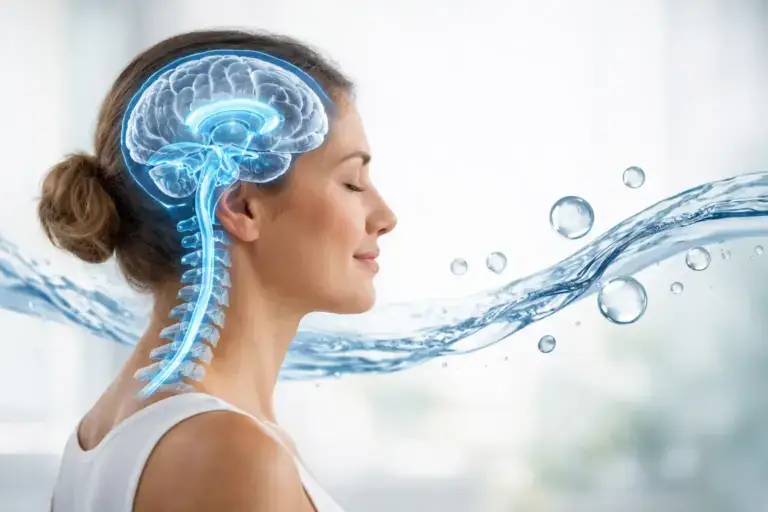
Sleep is not passive downtime after concussion. It is active neurological maintenance. During quality sleep, the brain shifts into housekeeping processes that help move metabolic waste through clearance pathways commonly associated with the glymphatic system. Think of it as the brain’s overnight dishwasher. If sleep is short, fragmented, or chronically delayed, that cleanup cycle may not run as effectively.
This does not mean sleep is a cure, nor does it mean every sleep issue has the same solution. Some people sleep excessively in the first days after injury. Others develop insomnia, vivid dreams, anxiety at bedtime, or a shifted sleep schedule. Both patterns deserve attention if they persist.
Build a predictable sleep window. Keep the bedroom dark and cool, avoid alcohol during recovery, and create distance between bedtime and stimulating screens or stressful news. Morning daylight and regular meal timing can also help reset a disrupted body clock. If snoring, gasping, frequent awakenings, or severe daytime sleepiness are present, ask about sleep-disordered breathing. Undiagnosed sleep apnea can undermine cognitive recovery at any age.
The brain’s clearance system is one reason we should stop treating sleep as optional. A cluttered sink cannot drain well when the pipe is blocked. Likewise, a brain facing injury, inflammation, and broken sleep has more work to do and fewer hours to do it.
Rest First, Then Rebuild Capacity Gradually
Complete isolation in a dark room for long periods was once common advice. Today, recovery is more nuanced. A brief period of relative rest may be appropriate immediately after injury, but prolonged inactivity can worsen sleep, mood, conditioning, and symptom sensitivity for some people.
The right approach is gradual, symptom-guided activity. Start with calm, low-demand movement if your clinician says it is safe: a short walk, gentle stretching, or time outdoors. If symptoms spike sharply during or after activity, scale back. If mild symptoms settle quickly, the activity may be within your current tolerance.
The same principle applies to reading, computer work, driving, exercise, and social events. Do not try to reclaim your entire pre-injury life in one determined weekend. Increase one variable at a time – duration, intensity, visual demand, noise, or complexity – so you can recognize what your nervous system can handle.
For athletes, students, and workers in safety-sensitive jobs, formal return-to-play, return-to-learn, or return-to-work guidance matters. A second injury before the brain has recovered can carry serious consequences.
Feed Recovery Without Chasing Miracle Claims
After a concussion, nutrition should be steady and practical. The brain needs energy, but blood-sugar swings, dehydration, skipped meals, and excessive alcohol can make fatigue, headaches, and concentration problems worse. Aim for regular meals built around protein, colorful plants, fiber-rich carbohydrates, and healthy fats. Hydration matters too, particularly if nausea, headaches, or reduced appetite are part of the picture.
This is also the moment to be skeptical of dramatic promises. No vitamin, herb, powder, or capsule can diagnose a concussion, rule out bleeding, or replace clinical care. “Natural” does not automatically mean appropriate after an injury, especially for people taking blood thinners, seizure medications, antidepressants, blood-pressure drugs, or multiple supplements.
Still, thoughtful nutritional support can be part of a broader brain-health strategy. Many adults want to support the brain’s natural resilience and maintenance pathways, including the clearance processes tied to sleep and overall neurological health. If you are considering a brain-focused formula, review every ingredient with a clinician or pharmacist who knows your medical history. My Brain Restore™ is built around this systems-level idea: supporting the conditions that help the brain maintain and clear, rather than pretending one ingredient can solve a complex neurological problem.
Protect the Recovery Environment
The smallest daily choices can either reduce neurological friction or add to it. Lower unnecessary noise. Take breaks before exhaustion arrives. Use sunglasses only when light sensitivity requires them, rather than living in darkness indefinitely. Keep a simple symptom journal that records sleep, activity, headache intensity, dizziness, mood, and cognitive fatigue. Patterns often become visible within a week.
Be cautious with alcohol, recreational drugs, and sedating medications unless a clinician has specifically advised their use. They can cloud symptoms, disrupt sleep architecture, increase fall risk, and make it harder to tell whether recovery is moving forward. Caffeine is more individualized. A modest morning amount may be tolerable for some people, while larger or later doses can worsen headaches, anxiety, and insomnia.
Emotional symptoms deserve the same seriousness as physical ones. Anxiety, sadness, fear, anger, and a sense of lost identity are common when the brain no longer performs on command. Persistent depression, panic, hopelessness, or thoughts of self-harm require prompt professional help. Protecting cognitive health includes protecting the person who is living through the recovery.
When Symptoms Do Not Resolve
Persistent post-concussion symptoms are not a reason to give up or accept that “nothing can be done.” They are a reason to look more carefully. Headache may need migraine-focused treatment. Dizziness may respond to vestibular therapy. Trouble reading may involve eye-tracking or convergence issues. Poor sleep, neck injury, hormonal factors, medication side effects, and mood disorders can all keep the recovery system stuck.
Ask for a plan that addresses the dominant symptoms rather than treating every concussion as identical. Bring your symptom journal, medication list, sleep pattern, and questions to the appointment. The more clearly you can describe what worsens symptoms and what helps, the easier it is to build a useful next step.
Recovery after concussion asks for discipline of a different kind: not the discipline to ignore the brain, but the discipline to listen to it. Protect sleep, respect clinical guidance, move forward in measured steps, and give the brain a calmer, cleaner environment in which to do its repair work.
Similar Posts
A Guide for Parkinson’s Wellness Planning
A guide for Parkinson’s wellness planning: build a practical, medically informed routine for movement, sleep, nutrition, support, and daily independence.
Preventive Brain Formula Review for Brain Health
Our preventive brain formula review examines glymphatic support, ingredients, expectations, safety, and the habits that protect long-term cognitive health.
What to Avoid for Brain Longevity After 50
Learn what to avoid for brain longevity, from poor sleep and isolation to uncontrolled vascular risks, and build habits that protect cognitive resilience.
Can Supplements Support Brain Detox?
Can supplements support brain detox? Learn what science says about glymphatic support, nutrients, sleep, and realistic limits for brain health.
How to Protect Brain Health as You Age
Learn how to protect brain health as you age with science-backed habits that support sleep, circulation, brain clearance, and long-term resilience.
How to Support Healthy Cerebrospinal Fluid Flow
Learn how to support healthy cerebrospinal fluid flow with sleep, movement, hydration, and medical awareness for long-term brain resilience every day.