Guide to Brain Health Biomarkers That Matter
A guide to brain health biomarkers should begin with one hard truth: brain decline rarely announces itself in a single, neat lab result. By the time memory problems, slowed movement, confusion, or personality changes become impossible to ignore, the processes behind them may have been building for years. That does not mean a blood test can predict your future. It means the right measurements can help you ask better questions before the brain’s warning lights become a crisis.
For families watching Alzheimer’s, Parkinson’s, dementia, concussion effects, or unexplained cognitive changes up close, information matters. Not because numbers replace a physician, a brain scan, or a thorough neurological evaluation. They do not. But biomarkers can move the conversation beyond “everything looks normal” and toward the real factors that influence brain resilience: inflammation, vascular health, metabolic stress, sleep, nutrition, and the brain’s ability to maintain itself.
What Brain Health Biomarkers Actually Measure
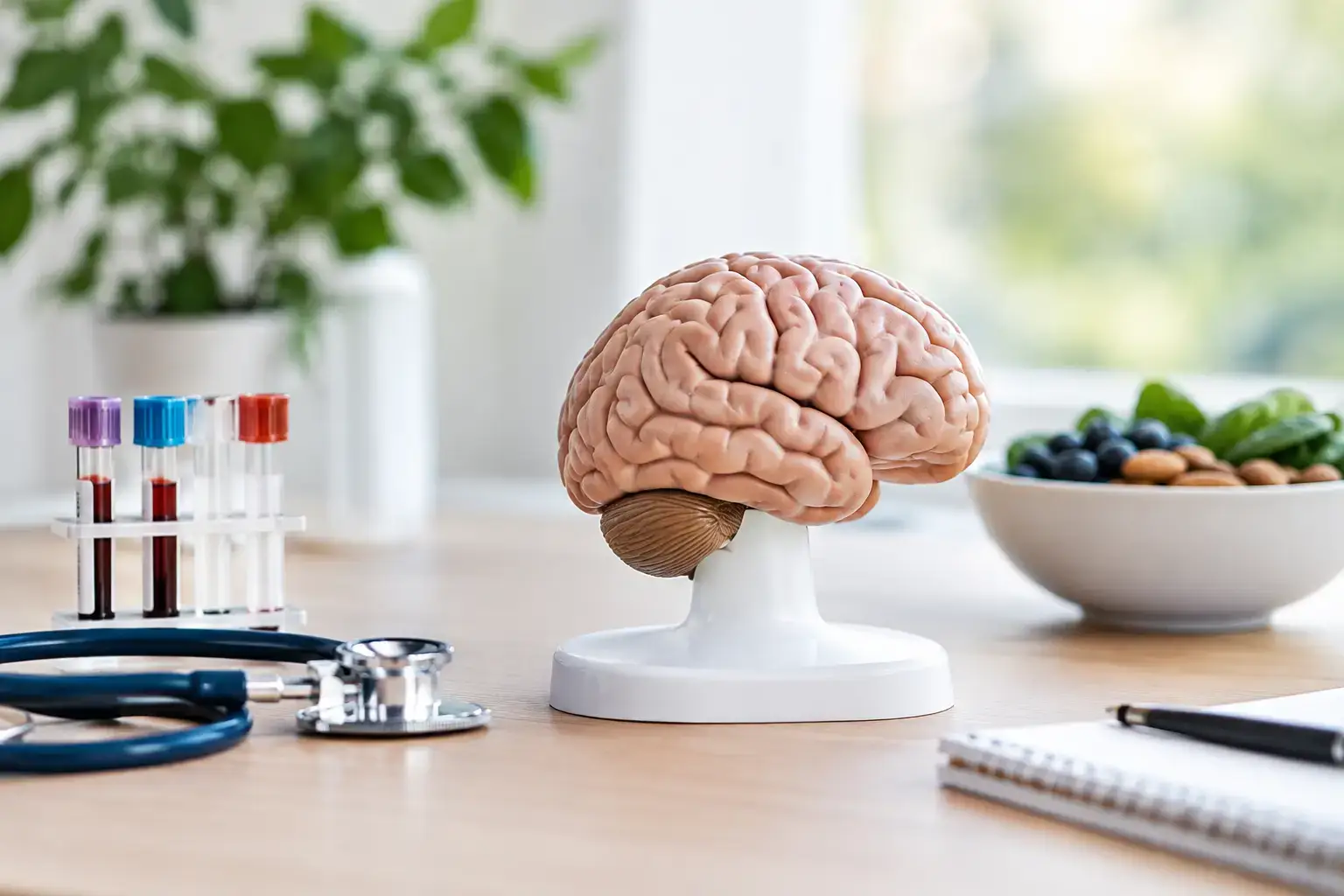
A biomarker is a measurable sign of a biological process. In brain health, it may be found in blood, spinal fluid, imaging, genetic testing, sleep data, or cognitive assessments. Some biomarkers are associated with a specific disease process. Others reveal conditions that can increase the odds of cognitive trouble over time.
The distinction matters. A risk marker is not a diagnosis. An abnormal result is not a verdict. And a normal result does not erase symptoms that deserve medical attention.
Think of the brain as a city that never closes. It needs fuel delivered reliably, inflammation kept under control, damaged material removed, and communication routes kept open. If the roads are narrowed, the power supply is unstable, and the overnight sanitation system is impaired, the city struggles long before every building goes dark. Biomarkers can show where pressure may be building.
The Brain Health Biomarkers Worth Discussing
There is no universal “brain panel” that fits every person. Age, symptoms, family history, medications, cardiovascular risk, sleep quality, and medical history all change what is useful. Still, several categories deserve a place in a thoughtful conversation with a qualified clinician.
Metabolic and vascular markers
The brain consumes an enormous amount of energy. It also depends on a constant supply of oxygen and nutrients through a dense network of blood vessels. That is why blood sugar, insulin resistance, blood pressure, cholesterol patterns, triglycerides, and measures of kidney and liver function belong in any serious brain-health discussion.
An elevated A1C or fasting glucose does not diagnose dementia. Yet long-term metabolic dysfunction can affect blood vessels, inflammation, and the brain’s ability to use energy efficiently. Likewise, vascular risk factors can contribute to small-vessel disease and increase the burden on a brain already managing aging or genetic risk.
Homocysteine is another marker some clinicians consider, particularly when there are concerns about B vitamin status, vascular risk, or cognitive symptoms. Its meaning depends on the full clinical picture, not one isolated result.
Inflammation and immune activity
Inflammation is part of healing. Chronic, unresolved inflammation is different. Markers such as high-sensitivity C-reactive protein, or hs-CRP, can offer a broad view of systemic inflammatory activity. They do not tell you exactly what is happening in the brain, and they can rise for many reasons, including infection, injury, obesity, and autoimmune activity.
That limitation should not make inflammation irrelevant. The brain does not live in isolation from the body. Persistent inflammatory signals, poor metabolic health, periodontal disease, sedentary behavior, and disrupted sleep can create an environment that makes healthy neurological aging harder.
Nutrient and hormone status
Vitamin B12, folate, vitamin D, thyroid markers, iron status, and sometimes sex-hormone status can be clinically relevant when cognitive, mood, energy, or nerve symptoms are present. Deficiencies and imbalances can mimic or worsen problems that people immediately fear are dementia.
This is one reason self-diagnosis is dangerous. A person may assume early Alzheimer’s when the issue is an untreated thyroid disorder, sleep apnea, medication side effect, depression, B12 deficiency, or a combination of several reversible factors. The goal is not to minimize concern. It is to investigate it with discipline.
Alzheimer’s-related biomarkers
Research and clinical care are changing quickly in this area. Specialized blood tests may measure forms of amyloid beta, phosphorylated tau, neurofilament light chain, and other proteins associated with neurodegeneration. Cerebrospinal fluid testing and PET imaging can provide additional information in selected situations.
These tools can be powerful, but they require context. Amyloid and tau findings are not consumer wellness scores. Their interpretation may affect emotional well-being, insurance decisions, family planning, medication choices, and eligibility for specialist care or clinical trials. They should be ordered and explained by professionals who can connect results to symptoms, imaging, cognitive testing, and medical history.
Neurofilament light chain deserves special caution. It can reflect nerve-cell injury, but it is not specific to one disease. A higher result may prompt more questions, not provide a final answer.
Genetics and family risk
Genetic testing can identify certain inherited risks, including APOE variants associated with late-onset Alzheimer’s risk. But risk is not destiny. Many people with higher-risk variants never develop dementia, while others without them do.
Before pursuing genetic testing, consider what you would do with the information. Would it change your prevention plan, motivate a specialist appointment, or create anxiety without a clear next step? Genetic counseling can help families make that decision carefully, especially when there is a strong history of early-onset dementia, Parkinson’s disease, or other neurological conditions.
The Missing Conversation: Clearance, Sleep, and the Glymphatic System
Most people understand the need to nourish the brain. Far fewer are taught to ask how the brain clears metabolic waste.
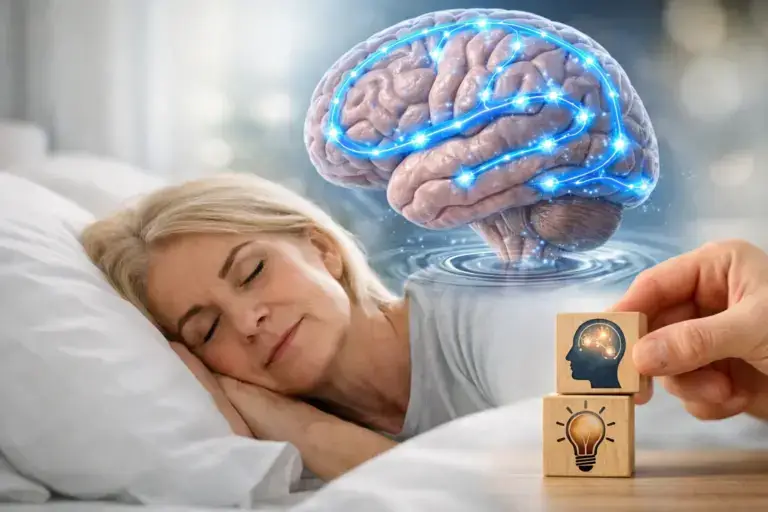
The glymphatic system is often described as the brain’s dishwasher. During sleep, especially deep sleep, fluid movement along pathways around blood vessels appears to help clear certain waste products from the brain. Human research is still evolving, and no clinician should claim that one habit or supplement “flushes” the brain clean. But the principle is too significant to ignore: sleep is active maintenance, not wasted time.
Poor sleep, untreated sleep apnea, chronic stress, alcohol excess, sedentary living, and vascular dysfunction can all work against the conditions a healthy brain needs to repair and maintain itself. If your biomarker results show metabolic strain or inflammation, the question is not merely, “What pill lowers this number?” Ask, “What is creating the clogged-sink environment in the first place?”
That systems-level question is where many conventional conversations stop too early. A brain is not just a collection of symptoms to suppress. It is a living network with circulation, immune activity, energy demands, sleep cycles, and waste-clearance pathways that must work together.
How to Use Biomarkers Without Becoming Ruled by Them
The most useful results lead to action and follow-up. A single lab draw is a snapshot. Trends over time, measured through the same laboratory when possible, are often more revealing than one borderline result.
Start with symptoms and function. Are you forgetting appointments, struggling to find words, losing balance, acting out dreams, experiencing tremor, or noticing a major change in mood or judgment? Those signs deserve timely clinical evaluation regardless of whether an online test says you are low risk.
Then examine the foundations that can be influenced now: blood pressure, glucose regulation, movement, nutrient sufficiency, social connection, stress exposure, alcohol intake, smoking status, and sleep quality. If snoring, gasping, morning headaches, or daytime exhaustion are part of the picture, ask about sleep apnea. Fragmented sleep is not a minor inconvenience when brain maintenance is at stake.
Finally, avoid the trap of chasing every available test. More data is not automatically better data. Advanced Alzheimer’s biomarkers may be appropriate for a person with concerning symptoms and a specialist’s guidance, while a middle-aged adult with a family history may benefit first from a careful review of metabolic, vascular, sleep, and lifestyle factors.
When to Seek Help Promptly
Sudden confusion, new weakness, facial drooping, severe headache, speech difficulty, seizures, abrupt vision changes, or a rapid loss of function require urgent medical attention. These are not “watch and wait” symptoms.
For slower changes, bring a written timeline to your appointment. Include when symptoms began, medications and supplements, sleep patterns, family history, recent illnesses, head injuries, and examples of changes others have noticed. Caregivers often see patterns that the affected person cannot.
Brain health is not preserved by fear, and it is not restored by pretending the risk is not real. The better path is clear-eyed action: measure what is meaningful, interpret it responsibly, protect sleep, reduce the burdens you can change, and keep asking whether your brain’s maintenance systems are being supported or silently overwhelmed.
Similar Posts
A Mild Cognitive Impairment Caregiver Guide
A mild cognitive impairment caregiver guide for spotting change, building routines, asking questions, and protecting dignity without panic or guesswork.
Can Glymphatic Support Improve Memory?
Can glymphatic support improve memory? Learn how the brain’s waste-clearing system may affect recall, sleep, aging, and cognitive resilience.
What Clinical Research on Glymphatic Support Shows
Clinical research on glymphatic support reveals what sleep, circulation, and brain imaging can tell us – and where supplement claims still need proof.
What to Avoid for Brain Longevity After 50
Learn what to avoid for brain longevity, from poor sleep and isolation to uncontrolled vascular risks, and build habits that protect cognitive resilience.
Best Botanicals for Brain Inflammation
Learn how botanicals for brain inflammation may support neuroprotection, calm immune stress, and complement a brain-clearing wellness strategy.
How Sleep Affects Brain Detox at Night
Learn how sleep affects brain detox, why deep sleep drives glymphatic clearance, and what poor sleep may mean for memory and long-term brain health.