Cognitive Lifestyle Factors That Protect Your Brain
A brain does not decline in a single dramatic moment. More often, the change begins quietly: a name that will not come back, a growing dependence on notes, a parent who seems less like themselves, or a restless night followed by another foggy morning. Cognitive lifestyle factors matter because the brain is living tissue. It responds, day after day, to how you sleep, move, eat, recover, connect, and manage the pressures placed on its delicate systems.
For too long, brain health has been framed as a problem to address only after symptoms become impossible to ignore. That is backward. By the time cognitive decline is obvious, the underlying strain may have been building for years. No lifestyle plan can promise to prevent Alzheimer’s, Parkinson’s, dementia, or every form of neurological illness. But daily choices can help create conditions that support resilience, circulation, metabolic health, restorative sleep, and the brain’s natural maintenance processes.
Why Cognitive Lifestyle Factors Matter
Your brain is not a machine you can run endlessly without maintenance. It consumes enormous energy, depends on steady blood flow, and produces metabolic waste as it works. One of the most compelling areas of modern neuroscience is the glymphatic system, often described as the brain’s dishwasher. This network helps move fluid through the brain and supports the clearance of certain waste products, especially during quality sleep.
Think of a clogged sink. You can keep pouring water into it for a while, but eventually the backup becomes obvious. The brain has its own version of that problem: too much stress, too little deep sleep, poor metabolic health, inflammation, inactivity, and isolation can all make the environment less favorable for repair and renewal.
The science is still developing, and researchers continue to clarify exactly how glymphatic clearance works in humans. Yet the practical message is already clear: brain maintenance cannot be reduced to one pill, one workout, or one puzzle app. It is a pattern of inputs repeated over time.
Sleep Is the Non-Negotiable Brain Maintenance Window
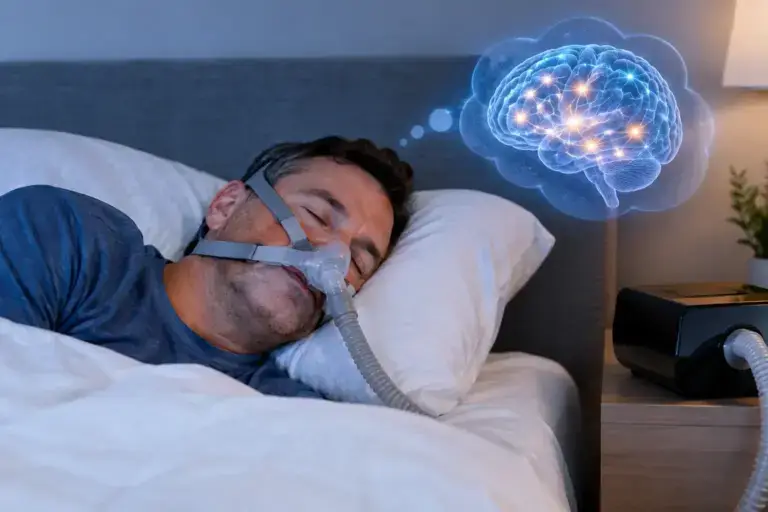
If you are worried about memory, focus, tremors, mood changes, or cognitive aging, start by taking sleep seriously. Not simply time in bed, but sleep that is regular, sufficiently long, and restorative.
During deep sleep, the brain shifts into a different housekeeping mode. Research has connected sleep disruption with impaired cognitive performance, changes in mood, and increased concern around long-term neurological health. Sleep apnea, chronic insomnia, frequent waking, and irregular sleep timing deserve attention, particularly for adults who are noticing cognitive changes.
A practical first move is to establish a consistent wake time. This anchors the body’s internal clock more effectively than trying to force an early bedtime after a chaotic day. Keep the room cool and dark, reduce bright screens in the hour before bed, and limit alcohol close to bedtime. Alcohol may make someone feel sleepy, but it can fragment sleep later in the night.
There is a trade-off here. Caregivers, shift workers, and people living with pain may not be able to create an ideal sleep schedule. The goal is not perfection. It is to reduce the number of nights when the brain is denied its most important recovery period. If loud snoring, gasping, severe daytime fatigue, or repeated insomnia are present, seek medical evaluation rather than accepting exhaustion as normal.
Movement Sends a Powerful Signal to the Brain
Exercise is not just about weight or appearance. Physical activity supports blood flow, insulin sensitivity, mood regulation, sleep quality, and cardiovascular health, all of which affect the brain.
The most effective movement plan is usually the one a person can continue. Brisk walking, cycling, swimming, dancing, strength training, gardening, and balance work can all belong in a brain-supportive routine. Aerobic activity challenges the heart and circulation. Strength training helps preserve muscle, stability, and independence. Balance and mobility work matter even more as people age because a fall can alter brain health and quality of life in an instant.
Do not wait for a perfect 60-minute block. A 10-minute walk after meals, a short resistance session twice a week, and more standing throughout the day are meaningful starts. For someone already living with Parkinson’s symptoms, neuropathy, joint pain, or limited mobility, the right plan may require a physical therapist or clinician. Pushing through unsafe pain is not discipline. It is a setback waiting to happen.
Metabolic Health Is Brain Health
The brain depends heavily on energy regulation. Repeated blood sugar spikes, insulin resistance, high blood pressure, abdominal weight gain, and poor vascular health can place real stress on cognitive function over time.
That does not mean every person needs the same diet. Some thrive with a Mediterranean-style approach rich in vegetables, beans, berries, fish, olive oil, nuts, and minimally processed foods. Others need more individualized support because of diabetes, digestive issues, food access, medication use, or cultural preferences. The foundational principle is simpler than diet trends: eat in a way that steadies energy rather than constantly swinging it.
Build meals around protein, fiber, and healthy fats, then use refined carbohydrates and sugary drinks more selectively. Hydration matters too. Mild dehydration can worsen fatigue, headaches, and concentration, especially in older adults who may not feel thirst as strongly.
Be cautious with extreme dietary promises. A restrictive plan that leaves you undernourished, exhausted, or socially isolated is not a brain-health strategy. Long-term consistency beats a dramatic two-week reset.
Stress, Connection, and Purpose Are Not Soft Issues
Chronic stress changes the body’s chemistry. It can disrupt sleep, raise blood pressure, worsen inflammation, increase cravings, and make healthy routines feel impossible. The brain experiences this burden too.
Stress cannot always be removed. A spouse may be ill. Work may be unstable. Caregiving may consume every available hour. But the nervous system needs signals of safety and recovery. A daily walk outside, prayer, breathing practice, time in nature, music, journaling, therapy, or a phone call with someone who truly listens can interrupt the stress cycle.
Social connection is especially important for cognitive resilience. Isolation is not merely lonely. It can reduce stimulation, motivation, movement, and the sense of purpose that keeps people engaged with life. Make room for real conversation, not only passive scrolling. Join a class, volunteer, reconnect with a friend, or invite family into a weekly ritual.
Purpose does not have to be grand. It can be caring for grandchildren, tending a garden, mentoring someone, making art, or showing up for a community. The brain benefits from having reasons to keep participating.
Mental Challenge Works Best When It Is Meaningful
Crossword puzzles can be enjoyable, but cognitive stimulation is broader than games. The brain responds to novelty, effort, learning, and engagement. Learning an instrument, practicing a new language, trying unfamiliar recipes, taking a course, navigating a new route, or having thoughtful discussions can all challenge different cognitive skills.
The key is progressive challenge. Repeating the same easy activity may be comforting, but it does not ask the brain to adapt. Choose something slightly difficult and personally meaningful. A former accountant may enjoy learning photography. A lifelong musician may choose a technology class. The point is not to perform perfectly. It is to remain mentally active and curious.
Reduce the Inputs That Work Against Brain Repair
Some cognitive lifestyle factors are about what to add. Others are about what to stop normalizing. Smoking damages vascular health and raises serious risks throughout the body. Excessive alcohol can interfere with sleep, balance, mood, nutrition, and memory. Untreated hearing loss can make the brain work harder to interpret sound and may lead people to withdraw socially.
Review medications with a qualified clinician, especially if brain fog, falls, confusion, or daytime sedation have become more noticeable. Some medications can affect alertness or cognition, but never stop a prescribed medicine suddenly without medical guidance. The goal is informed partnership, not panic.
For people seeking additional nutritional support, My Brain Restore approaches brain wellness through the lens of the glymphatic system and the brain’s natural maintenance pathways. Supplements should complement foundational habits, not become a substitute for sleep, movement, medical care, or a nutrient-dense diet.
Start Before the Warning Signs Become Louder
The most powerful change is often the one repeated tomorrow. Take the walk. Protect the bedtime. Cook the meal that supports steadier energy. Call the person you have been meaning to call. Schedule the appointment you have delayed.
Your brain is working for you every second of every day. Give it the conditions to recover, clear, adapt, and stay engaged with the life you want to keep living.
Similar Posts
Preventive Brain Formula Review for Brain Health
Our preventive brain formula review examines glymphatic support, ingredients, expectations, safety, and the habits that protect long-term cognitive health.
Neuroinflammation Research Future Trends to Watch
Neuroinflammation research future trends reveal why immune signaling, sleep, brain clearance, and precision medicine may reshape brain health care ahead.
How to Read Brain Supplement Labels Like a Researcher
Learn how to read brain supplement labels, spot weak formulas, assess doses and safety, and choose support grounded in real science, not hype or marketing.
What Clinical Research on Glymphatic Support Shows
Clinical research on glymphatic support reveals what sleep, circulation, and brain imaging can tell us – and where supplement claims still need proof.
Sleep Apnea and Cognition During the Night
Sleep apnea and cognition are closely linked. Learn why disrupted breathing can cloud memory and focus, and what protects your brain each night.
Brain Imaging Versus Cognitive Tests: What They Show
Brain imaging versus cognitive tests can reveal different parts of brain health. Learn what each measures, where they fall short, and when both matter.