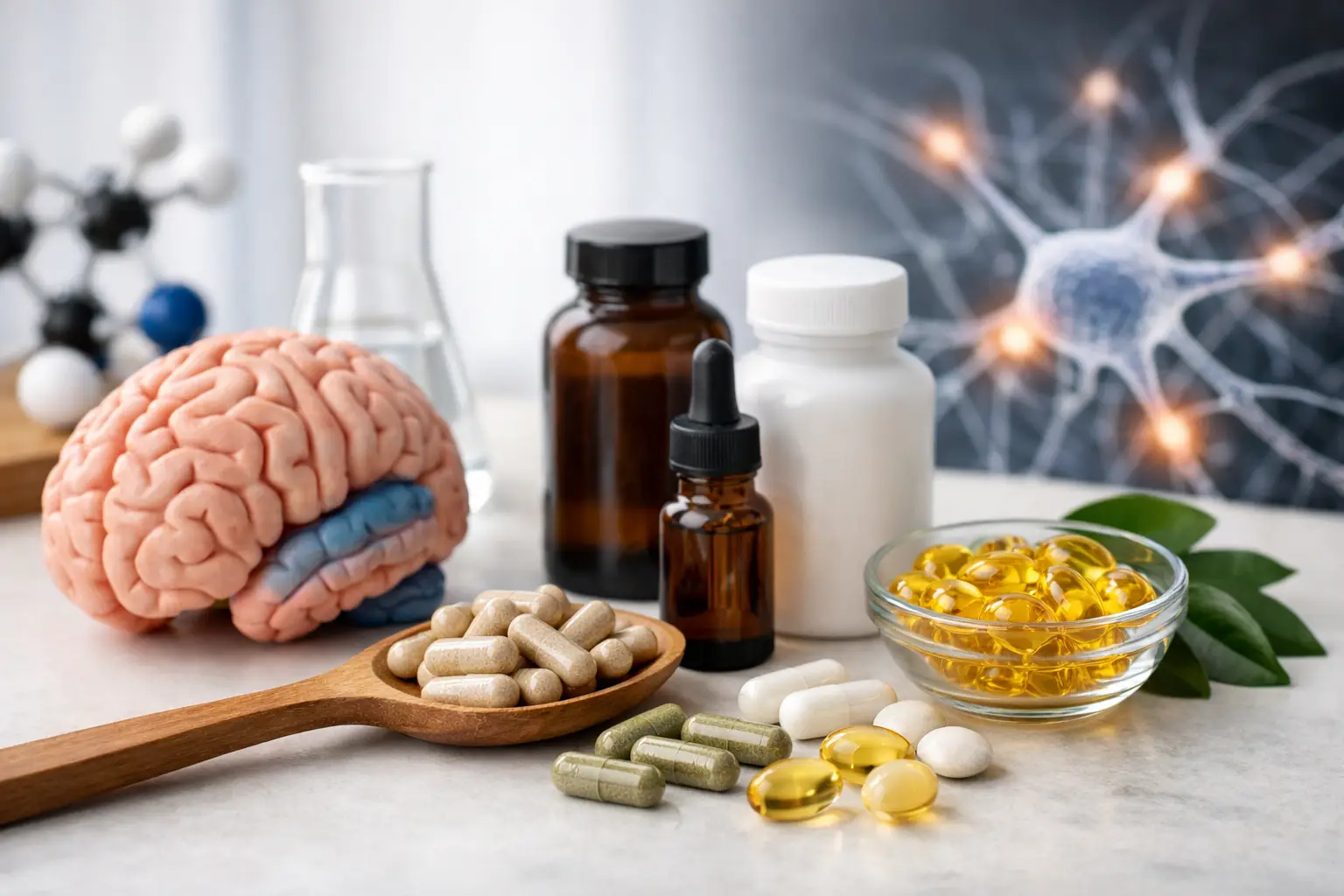
Best Supplements for Neurological Wellness Support
The brain does not get a day off. Even while you sleep, it is sorting signals, repairing cellular wear, regulating inflammation, and moving metabolic waste out through a remarkable clearance network known as the glymphatic system. That is why the search for the best supplements for neurological wellness support should begin with a bigger question: what helps the brain maintain itself before the sink gets clogged?
For people watching a parent fade into dementia, living with neurological symptoms, or refusing to accept that cognitive decline is simply inevitable, this question is personal. A supplement is not a cure for Alzheimer’s, Parkinson’s disease, dementia, stroke, or any other neurological condition. But carefully selected nutrients and botanicals may support the systems that influence resilience: sleep quality, circulation, oxidative balance, inflammation control, cellular energy, and the brain’s natural cleanup process.
The overlooked target: brain clearance
For decades, most brain-health conversations have focused on replacing what seems low – a neurotransmitter, a memory chemical, a missing spark. That model has a place, but it can miss a central maintenance problem. What happens when the brain’s waste-clearing pathways slow down?
Think of the glymphatic system as the brain’s overnight dishwasher. During quality sleep, fluid movement around brain cells helps carry away metabolic byproducts, including proteins that are being intensely studied in relation to neurodegenerative disease. If sleep is fragmented, inflammation is persistently high, or the body’s vascular and metabolic health is strained, the dishwasher may not run as effectively.
No capsule can substitute for deep sleep, movement, hydration, a nutrient-dense diet, or medical care. Yet the right formula can support the biological terrain in which those processes happen. That is a more useful standard than chasing a flashy ingredient with a promise too big to be true.
Best supplements for neurological wellness support: what to look for
The strongest approach is usually not a cabinet full of random bottles. It is a thoughtful combination of nutrients with a clear purpose, appropriate doses, quality sourcing, and a plan that fits your health history. These are the categories worth discussing with a qualified healthcare professional.
Omega-3 fatty acids for structure and inflammation balance
The brain is rich in fat, and omega-3 fatty acids – particularly DHA and EPA – are foundational to healthy cell membranes. DHA is especially abundant in the brain and supports normal neuronal structure and communication. EPA is often valued for its role in maintaining a balanced inflammatory response.
This is not a case for megadosing. The right amount depends on diet, medications, and personal risk factors. People who use anticoagulants, have bleeding disorders, or are preparing for surgery should get individualized guidance before adding fish oil or other concentrated omega-3 products. Still, for adults who rarely eat fatty fish, omega-3 status is a sensible place to investigate.
Magnesium for sleep and nervous system regulation
Magnesium participates in hundreds of enzymatic reactions, including processes tied to energy production, muscle function, and normal nerve signaling. For neurological wellness, its practical value often comes back to sleep. A brain that cannot settle into restorative sleep loses precious time for maintenance and clearance.
Different forms behave differently. Magnesium glycinate is commonly chosen for gentleness, while magnesium L-threonate is marketed for brain-focused support. The evidence is still developing, and the best choice depends on tolerance, budget, kidney health, and other medications. More is not better: excess magnesium can cause diarrhea and may be unsafe for people with impaired kidney function.
Antioxidant and mitochondrial support
The brain has enormous energy demands. That makes it vulnerable to oxidative stress, the cumulative cellular wear that can rise with aging, poor metabolic health, toxin exposure, inflammation, and inadequate recovery. Nutrients such as coenzyme Q10, alpha-lipoic acid, and certain B vitamins are often used to support energy metabolism and antioxidant defenses.
CoQ10 is particularly relevant for people who are discussing statin use with their clinician, since statins can affect CoQ10 levels. Alpha-lipoic acid may influence blood sugar, which matters for anyone using diabetes medication. B12, folate, and B6 deserve attention when diet, age, digestive conditions, or medications raise the likelihood of deficiency. A basic lab review can be more revealing than guessing.
Curcumin and botanical inflammation support
Chronic inflammation is not a single switch that supplements can turn off. It is a network involving diet, sleep, stress, body weight, gut health, infections, and underlying disease. Still, curcumin, the active compound associated with turmeric, has drawn sustained interest for its antioxidant and inflammation-modulating properties.
The challenge is absorption. Plain turmeric powder is not the same as a well-formulated curcumin extract designed for bioavailability. It also is not appropriate for everyone. Curcumin can interact with blood thinners and may be a concern for people with gallbladder disease or certain gastrointestinal issues. Botanical support should be chosen with the same seriousness as a medication, not treated like harmless seasoning in a bottle.
Traditional botanicals with a modern standard
Ancient botanical traditions recognized something modern medicine is only beginning to revisit: neurological strength depends on the whole person. Stress physiology, sleep, circulation, digestion, energy, and cognition are connected.
That does not mean every traditional herb has earned a place in every routine. Ingredients such as bacopa, lion’s mane, ginkgo, and ashwagandha each have different potential uses, evidence levels, and safety considerations. Ginkgo may increase bleeding risk. Ashwagandha may not suit people with certain thyroid or autoimmune concerns. Lion’s mane can be problematic for someone with mushroom allergies. The label matters, but so does the person taking it.
Why a clearance-focused formula is different
A neurological wellness formula should not be designed around one symptom or one trendy compound. The better question is whether the ingredients work together to support the conditions the brain needs to clean, repair, and communicate.
My Brain Restore approaches this through a glymphatic-support framework: helping support the brain’s natural maintenance pathways rather than pretending to replace a damaged neurological system with a single ingredient. That systems-level view matters because cognitive resilience is rarely determined by one variable. It is shaped by what your brain receives, what it can use, and what it can clear away.
Be skeptical of any brand claiming it can reverse disease, eliminate plaques, or replace medical treatment. But do not confuse skepticism with passivity. The absence of a miracle is not the absence of meaningful action.
Build the conditions supplements cannot create alone
Even the best formula will disappoint if it is asked to overcome a lifestyle that continuously overwhelms the brain. The glymphatic system is most active during sleep, so protecting sleep is not optional brain-hacking. It is maintenance.
Aim for a consistent sleep schedule, a dark and cool bedroom, and an honest look at snoring or possible sleep apnea. Sleep apnea can repeatedly reduce oxygen and fragment the sleep architecture the brain relies on. If you wake unrefreshed, fall asleep during the day, or have been told you snore loudly, that deserves a clinical conversation.
Movement matters, too. Regular walking, resistance training, and activities that elevate the heart rate support blood flow, metabolic health, mood, and sleep. Add fiber-rich plants, adequate protein, healthy fats, and hydration. Limit alcohol, especially close to bedtime, because it can sabotage sleep quality even when it makes you drowsy.
How to choose without wasting money
Start with the problem you are trying to solve. Are you seeking foundational support because of family history? Is poor sleep your biggest obstacle? Are you dealing with cognitive concerns that require medical evaluation before anything else? A supplement strategy should have a reason behind it.
Choose products that clearly disclose ingredients and amounts. Avoid proprietary blends that hide doses. Introduce one new product at a time, keep notes on sleep, energy, digestion, and any adverse effects, and give a reasonable trial period unless a clinician advises otherwise. If you take prescription medication, have a neurological diagnosis, are pregnant, or manage kidney, liver, bleeding, thyroid, or autoimmune conditions, review every ingredient with your pharmacist or healthcare provider.
The most powerful decision is not finding a magic pill. It is deciding that your brain’s maintenance deserves daily attention – while you still have the ability to protect the memories, independence, and clarity that matter most.
Similar Posts
How Sleep Affects Brain Detox at Night
Learn how sleep affects brain detox, why deep sleep drives glymphatic clearance, and what poor sleep may mean for memory and long-term brain health.
Sleep Quality and Brain Restoration Explained
Sleep quality and brain restoration are closely connected. Learn how deep sleep supports the brain’s nightly cleanup, resilience, and clear daily thinking.
Do Brain Waste Clearance Supplements Work?
Do brain waste clearance supplements work? Learn how glymphatic support, sleep, and key nutrients may help the brain’s cleanup system function.
Can Brain Clearance Support Healthy Aging?
Can brain clearance support healthy aging? Learn how sleep, movement, and daily brain-support habits may help protect long-term cognitive resilience today.
Cognitive Tests: What Your Score May Be Telling You
Cognitive tests can reveal changes worth tracking, but no single score defines your brain health. Learn what results mean and what to do next clearly.
Glymphatic System Supplement Review Explained
Read a glymphatic system supplement review that weighs ingredients, evidence, safety, sleep habits, and smarter questions before you buy brain support now.