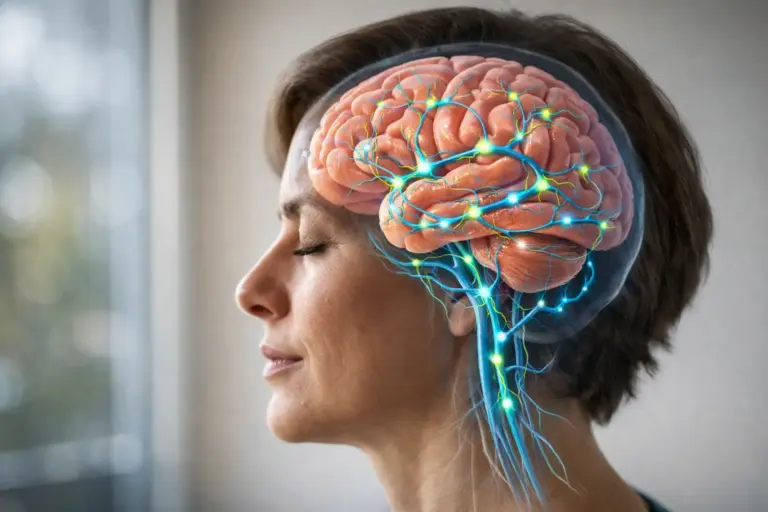
A Complete Guide to Healthy Brain Maintenance
Your brain does not wait for a diagnosis to begin needing support. Long before a missed name, a lost set of keys, or a frightening change in personality, the conditions that shape cognitive resilience are being built – or neglected – every day. This complete guide to healthy brain maintenance is for people who refuse to treat mental clarity, independence, and neurological strength as matters of luck.
The brain is not a machine you can run hard for decades and repair with one pill, one appointment, or one “brain game.” It is living tissue with enormous energy needs, a delicate immune environment, and a constant need to move metabolic waste out. Healthy brain maintenance means supporting the whole system: circulation, sleep, nutrition, movement, stress regulation, social connection, and the brain’s own overnight cleanup processes.
Why Brain Maintenance Is a Daily Job
Many people are taught to think about brain health only after symptoms appear. That is backward. Alzheimer’s disease, Parkinson’s disease, vascular cognitive impairment, and other neurological conditions can involve changes that develop over years. Genetics matter, age matters, and some risks cannot be erased. But resignation is not a strategy.
A more useful question is this: what environment are you creating for your brain every day? Are you giving it deep sleep, steady blood flow, usable nutrients, meaningful challenge, and time to clear what it no longer needs? Or are you asking it to function through sleep debt, blood-sugar swings, isolation, chronic stress, and inactivity?
Think of the brain as a high-performance city. It needs power, transportation, sanitation, communication, and repair crews. When one system struggles, the others compensate. When several fail at once, the strain becomes harder to ignore.
The Brain’s Cleanup System Deserves Attention
One of the most compelling areas of modern brain research involves the glymphatic system, often described as the brain’s dishwasher. During quality sleep, fluid movement around the brain may help carry away metabolic byproducts, including proteins that researchers continue to study in connection with neurodegenerative disease.
This does not mean sleep is a cure for Alzheimer’s or that every restless night causes irreversible harm. It does mean sleep is not passive downtime. It is maintenance time.
The glymphatic system is a powerful reminder that brain health is not only about adding something – a nutrient, a medication, a supplement, a puzzle. It is also about clearance. A clogged sink does not need more water. It needs an open drain. Supporting the conditions that allow the brain to rest, circulate, and clear waste is a practical part of protecting long-term function.
Protect Your Sleep Like It Is Medical Care
For most adults, seven to nine hours is a reasonable target, though individual needs vary. The goal is not simply more time in bed. It is regular, restorative sleep.
Start with a consistent wake time, even on weekends. Get outdoor light early in the day. Keep the bedroom cool, dark, and quiet, and move caffeine earlier if it is affecting your ability to fall asleep. Alcohol may make you drowsy, but it can fragment sleep later in the night. If loud snoring, gasping, morning headaches, or severe daytime fatigue are present, do not dismiss them. Sleep apnea can affect oxygen levels, blood pressure, mood, and cognitive performance, and it deserves professional evaluation.
Move Blood, Protect the Brain
The brain depends on an extraordinary supply of oxygen and nutrients. What supports the heart and blood vessels often supports the brain as well. High blood pressure, diabetes, smoking, untreated sleep apnea, and prolonged inactivity can all place pressure on vascular health.
You do not need to become an endurance athlete to begin. Brisk walking, cycling, swimming, dancing, gardening, and strength training all count. The best plan is the one you can repeat. Aim to move most days, include resistance work two or more times weekly when appropriate, and break up long periods of sitting.
Exercise is not just a weight-loss tool. It can support circulation, insulin sensitivity, mood, balance, and sleep – all of which affect brain resilience. For someone living with Parkinson’s symptoms, joint pain, or limited mobility, the right activity may look different. A physical therapist or qualified clinician can help tailor a safe starting point. Consistency matters more than perfection.
Feed the Maintenance Crew
There is no single food that makes a brain immune to decline. There are, however, dietary patterns that provide a more favorable foundation than ultra-processed, sugar-heavy eating.
Build meals around colorful vegetables, berries and other fruits, beans, nuts, seeds, olive oil, fish, eggs, and fiber-rich whole foods. These choices provide compounds involved in antioxidant defenses, inflammation balance, energy metabolism, and vascular support. Protein also matters, particularly as adults age and need to preserve muscle mass, mobility, and metabolic health.
The practical trade-off is that a perfect diet can become another source of stress. If your pantry is full of packaged foods or your schedule is chaotic, do not aim for instant purity. Start by adding one brain-supportive meal each day, replacing sugary drinks with water or unsweetened tea, or keeping nuts and fruit available for snacks. Repeated choices beat dramatic resets.
Lower the Noise of Chronic Stress
Stress is not a personal failure. Caregivers, people facing a frightening diagnosis, and adults worried about a parent’s dementia often carry a burden that cannot be solved with a motivational quote. Still, chronic stress can interfere with sleep, appetite, blood pressure, attention, and the habits that keep the brain well supported.
Give your nervous system a daily signal that the threat response can stand down. That may be a walk without your phone, ten minutes of slow breathing, prayer, journaling, time in nature, therapy, or a regular conversation with someone who makes you feel less alone. The method is personal. The repetition is what changes the pattern.
Do not underestimate social connection. Meaningful relationships challenge the brain, reduce isolation, and make it easier to maintain healthy routines. If you are caring for someone else, accepting respite is not selfish. It is part of sustaining your own neurological health.
Keep Learning, But Make It Real
Crossword puzzles are fine, but brain maintenance is bigger than puzzle scores. The brain responds to novelty, effort, and purpose. Learn a skill that requires coordination or concentration. Take a class. Practice an instrument. Cook unfamiliar recipes. Volunteer. Have conversations with people who see the world differently.
The key is challenge without overwhelm. Repeating a familiar game may feel pleasant, but learning something that is slightly uncomfortable asks the brain to adapt. Pair mental challenge with movement and relationships when possible. A dance class, group language program, or hands-on hobby can support more than one system at a time.
Use Supplements With Clear Eyes
Supplements can be part of a thoughtful brain-support plan, but they should not become a substitute for the foundations. Quality, formulation, dosage, medication interactions, and your individual health history all matter. “Natural” does not automatically mean harmless or effective for every person.
For adults seeking a systems-level approach, My Brain Restore™ focuses on supporting the brain’s natural maintenance and clearance pathways, including glymphatic support. That approach is worth understanding because the brain’s needs extend beyond temporary stimulation or symptom masking. Still, responsible use means reviewing ingredients carefully and discussing supplements with a qualified healthcare professional, especially if you take prescription medications, are pregnant, or manage a chronic condition.
Know When Maintenance Is Not Enough
New or rapidly worsening memory loss, confusion, personality changes, tremor, falls, weakness, speech difficulty, severe headaches, or changes in daily functioning should be evaluated medically. Sudden symptoms such as facial drooping, one-sided weakness, or trouble speaking may signal an emergency. Act quickly.
There is no prize for waiting until a problem becomes undeniable. Early evaluation can identify treatable contributors such as medication effects, thyroid problems, vitamin deficiencies, depression, hearing loss, sleep disorders, or vascular risk factors. It can also provide a baseline for future decisions.
The most hopeful approach to brain health is neither panic nor denial. It is disciplined attention. Tonight’s sleep, tomorrow’s walk, the meal you prepare, the stress you address, and the conversation you choose all send a message to your brain: you are worth maintaining.
Similar Posts
Sleep Versus Nootropics: What Your Brain Needs
Sleep versus nootropics is not a fair fight. Learn why deep, consistent sleep drives the brain’s nightly cleanup and where supplements may fit after 50.
Caregiver Burnout Signs You Should Not Ignore
Caregiver burnout signs include exhaustion, anger, poor sleep, and brain fog. Spot the warning signals early and protect your health and capacity to care.
Can Supplements Support Brain Detox?
Can supplements support brain detox? Learn what science says about glymphatic support, nutrients, sleep, and realistic limits for brain health.
What Is the Glymphatic System?
What is the glymphatic system? Learn how the brain’s waste-clearing pathway works, why sleep matters, and what can disrupt healthy brain cleanup.
Best Botanicals for Brain Inflammation
Learn how botanicals for brain inflammation may support neuroprotection, calm immune stress, and complement a brain-clearing wellness strategy.
Can Glymphatic Support Improve Memory?
Can glymphatic support improve memory? Learn how the brain’s waste-clearing system may affect recall, sleep, aging, and cognitive resilience.