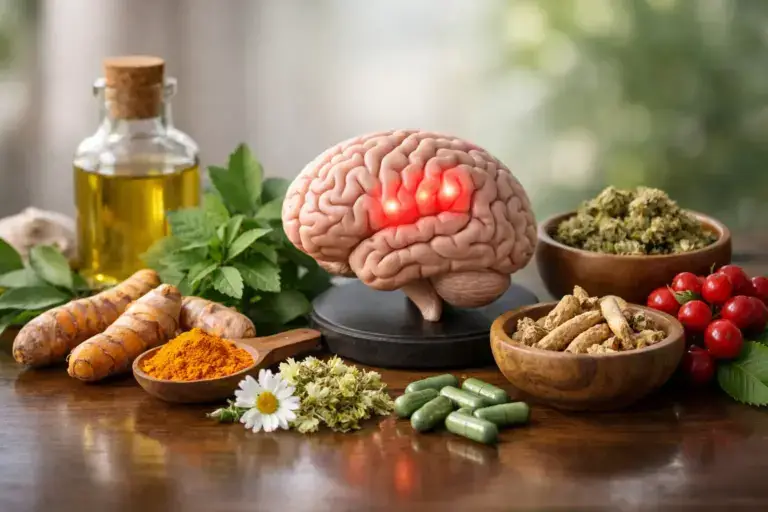
Natural Support for Parkinsons That Makes Sense
A Parkinson’s diagnosis changes the atmosphere in a home fast. One appointment can turn into a stack of prescriptions, unanswered questions, and a quiet fear that every tremor or slowed step means the future is closing in. That is exactly why so many families start searching for natural support for Parkinsons – not because they reject medical care, but because they know medication alone rarely answers the bigger question of how to support a struggling brain.
That bigger question matters. Parkinson’s is often discussed as a dopamine problem, and dopamine is part of the story. But reducing everything to one neurotransmitter can leave people stuck in a narrow treatment frame. The brain is not a single chemical pathway. It is a living system that depends on energy production, inflammation control, cellular cleanup, sleep quality, circulation, and waste removal. When those systems begin to fail, the sink backs up. Symptoms may show up in movement first, but the underlying stress often runs deeper.
What natural support for Parkinsons really means
Natural support does not mean pretending herbs can replace a neurologist. It does not mean chasing miracle cures. It means strengthening the terrain the brain depends on every day so that function has a better chance to hold.
For some people, that starts with improving sleep because nights are fragmented and recovery is poor. For others, it means working on constipation, blood sugar swings, inactivity, or chronic inflammation that keeps the whole body under pressure. In many cases, it means looking seriously at whether the brain’s cleaning and maintenance systems are being supported or ignored.
That is where the conversation gets more interesting than the standard script. The brain generates metabolic waste. Proteins, inflammatory byproducts, and cellular debris do not simply disappear. They need to be cleared. If cleanup slows down, the environment around neurons can become more stressed, more inflamed, and less resilient. For a condition as serious as Parkinson’s, that is not a side issue. It is central.
Why brain cleanup matters in Parkinson’s support
One of the most overlooked areas in brain health is the glymphatic system – the brain’s waste-clearance network. Think of it as the brain’s dishwasher. During healthy, deep sleep, cerebrospinal fluid helps wash through brain tissue and carry away waste products. When sleep is poor, inflammation is high, or the system is impaired, cleanup can become less efficient.
For people concerned about Parkinson’s, this matters because neurodegenerative conditions do not happen in a vacuum. Misfolded proteins, oxidative stress, and inflammatory burden all place pressure on vulnerable brain cells. If the brain’s sink is already clogged, adding more stress is not a winning strategy.
This does not mean glymphatic support is a standalone answer. It means any serious conversation about natural support should include sleep architecture, nighttime recovery, and the body’s ability to clear what should not be lingering in delicate neural tissue. That systems-level view is where many conventional discussions fall short.
The foundations of natural support for Parkinsons
The most powerful natural strategies are often the least flashy. They are also the hardest to maintain consistently, which is why they work best when families treat them as non-negotiable support pillars rather than optional wellness ideas.
Sleep is not passive time
Sleep disruption is common in Parkinson’s, and it creates a vicious cycle. Poor sleep can worsen daytime fatigue, mood changes, motor symptoms, and cognitive strain. It can also interfere with the brain’s nightly maintenance work.
Protecting sleep means taking it seriously enough to build around it. That may involve consistent sleep and wake times, reducing bright light late at night, limiting alcohol, reviewing medications with a clinician, and addressing snoring or sleep apnea if they are present. If someone sleeps eight broken hours, that is not the same as getting restorative sleep.
Movement supports more than mobility
Exercise is one of the strongest non-drug tools available for Parkinson’s support. It can help with balance, gait, stiffness, mood, and overall resilience. But the deeper value is that movement supports circulation, mitochondrial function, lymphatic flow, and metabolic health – all of which affect the brain.
The right plan depends on the person. Some do well with walking and resistance work. Others benefit from boxing-style classes, cycling, tai chi, or physical therapy-guided balance training. The trade-off is simple: too little challenge leads to deconditioning, while too much can increase fatigue or fall risk. The answer is structured consistency, not exhaustion.
Nutrition shapes the brain’s environment
There is no single Parkinson’s diet, but there are clear patterns that either help or hurt. Highly processed foods, blood sugar spikes, and chronic overfeeding tend to push inflammation in the wrong direction. A diet centered on protein quality, colorful plants, healthy fats, hydration, and fiber creates a more stable internal environment.
Constipation deserves special attention here. It is common in Parkinson’s and often minimized, but sluggish elimination affects comfort, appetite, medication timing, and overall quality of life. Supporting digestion with fluids, fiber, movement, and clinician-guided adjustments can make a meaningful difference.
Stress chemistry is brain chemistry
Chronic stress is not just emotional wear and tear. It changes sleep, inflammation, glucose regulation, and nervous system tone. That can amplify symptoms and make daily life feel harder than it already is.
Natural support sometimes looks less like a supplement bottle and more like protected calm. Breathing work, prayer, time outdoors, counseling, caregiver relief, and realistic routines all matter. When the nervous system is constantly braced, healing capacity gets crowded out.
Where supplements fit – and where they do not
Supplements can play a role in natural support for Parkinsons, but they should be approached with discipline, not desperation. The market is full of exaggerated claims, and people dealing with fear are easy targets.
A better approach is mechanism first. Ask what a formula is trying to support. Is it aimed at oxidative stress, inflammation balance, mitochondrial health, sleep quality, or the brain’s clearance pathways? Does the ingredient profile make physiological sense? Is it being used alongside medical care rather than as a replacement for it?
This is where a systems-based brain health approach stands apart. Instead of chasing only symptom suppression, it asks whether the terrain around the neurons is being nourished or neglected. Brands such as My Brain Restore have pushed that conversation forward by focusing on the brain’s maintenance and clearance pathways, not just the familiar dopamine narrative. That does not erase the need for evidence, discernment, or clinical oversight. It does, however, reflect a more complete question.
What caregivers should watch for
Caregivers often see the pattern before the patient does. They notice the poor nights, the slower mornings, the constipation, the anxiety, the reduced activity, the subtle cognitive slips, and the days when the person seems less able to recover from stress. Those details matter.
Natural support works best when it is practical enough to sustain. If a plan requires ten new habits overnight, it usually fails. A better path is to pick the pressure points that are most obvious and address them first. Improve sleep. Build daily movement. Clean up meals. Support digestion. Reduce evening overstimulation. Then reassess.
That kind of steady intervention may not feel dramatic, but neurodegeneration is not usually driven by one dramatic thing. It is often a pileup of dysfunction over time. Support works the same way. Small wins stack.
The honest truth about expectations
Anyone promising reversal on demand is not respecting the seriousness of Parkinson’s. Natural support has limits, and those limits vary from person to person. Disease stage, age, medication use, coexisting conditions, and consistency all shape what is possible.
Still, “not a cure” does not mean “not worth doing.” Better sleep can mean steadier days. Better movement can mean more independence. Better nutrition can mean fewer crashes. Better support for the brain’s cleanup and maintenance systems can mean addressing an area that has been ignored for far too long.
People facing Parkinson’s deserve more than symptom management in a shrinking box. They deserve a fuller conversation about how the brain is stressed, how it recovers, and what can be done to support function from multiple angles. That is where real hope lives – not in fantasy, but in action that respects the complexity of the brain and refuses to give up on it.
If you are looking for the next right step, start where the system is most clogged and most tired, then support it with consistency. The brain is asking for more than a quick fix. It is asking for better conditions to keep going.
Similar Posts
Best Botanicals for Brain Inflammation
Learn how botanicals for brain inflammation may support neuroprotection, calm immune stress, and complement a brain-clearing wellness strategy.
Glymphatic System Supplement Review Explained
Read a glymphatic system supplement review that weighs ingredients, evidence, safety, sleep habits, and smarter questions before you buy brain support now.
Preventive Brain Health Supplements That Matter
Preventive brain health supplements can support resilience, sleep, and clearance pathways before decline starts. Here’s what actually matters.
How to Support Glymphatic Drainage
Learn how to support glymphatic drainage with sleep, movement, hydration, and daily habits that help the brain clear waste more efficiently.
7 Natural Ways to Support Alzheimers Patients
Learn natural ways to support Alzheimers patients through sleep, movement, nutrition, routine, and brain-friendly habits that protect daily function.
How to Protect Brain Health as You Age
Learn how to protect brain health as you age with science-backed habits that support sleep, circulation, brain clearance, and long-term resilience.