Best Ingredients for Long Term Brain Wellness
Your brain does not get a replacement part. That is why the search for the best ingredients for long term brain wellness is not about chasing a quick burst of focus before a meeting. It is about protecting the systems that help the brain maintain itself year after year – especially as memory changes, sleep becomes lighter, inflammation rises, or a family history of dementia starts to feel uncomfortably personal.
The hard truth is that no capsule can promise to prevent, reverse, or cure Alzheimer’s, Parkinson’s disease, or dementia. But the right ingredients, chosen for a clear purpose and paired with sleep, movement, metabolic health, and medical care, may support the biological conditions a resilient brain needs. That includes circulation, cellular energy, inflammation balance, neuronal membranes, and the brain’s own overnight cleanup process.
Why brain wellness is also a clearance problem
Most brain-health conversations stop at neurotransmitters. More dopamine. More acetylcholine. More stimulation. That narrow approach misses a larger maintenance question: What happens to the metabolic waste and proteins the brain produces every day?
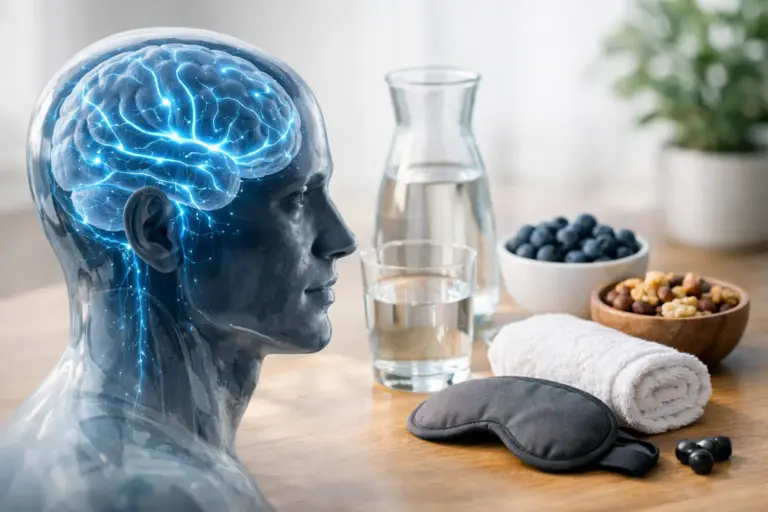
The glymphatic system is often called the brain’s dishwasher. During quality sleep, fluid moves through spaces around brain cells and helps carry away waste products. This is not a magic drain that can be switched on by one ingredient. It is a living system influenced by sleep quality, vascular health, hydration, stress, aging, inflammation, and body position.
Think of it like a clogged sink. Adding another cup of water does not solve the clog. Long-term brain support must consider what enters the system, how well cells produce energy, how inflammation is managed, and whether the brain has the conditions it needs to clear what it no longer needs.
Best ingredients for long term brain wellness
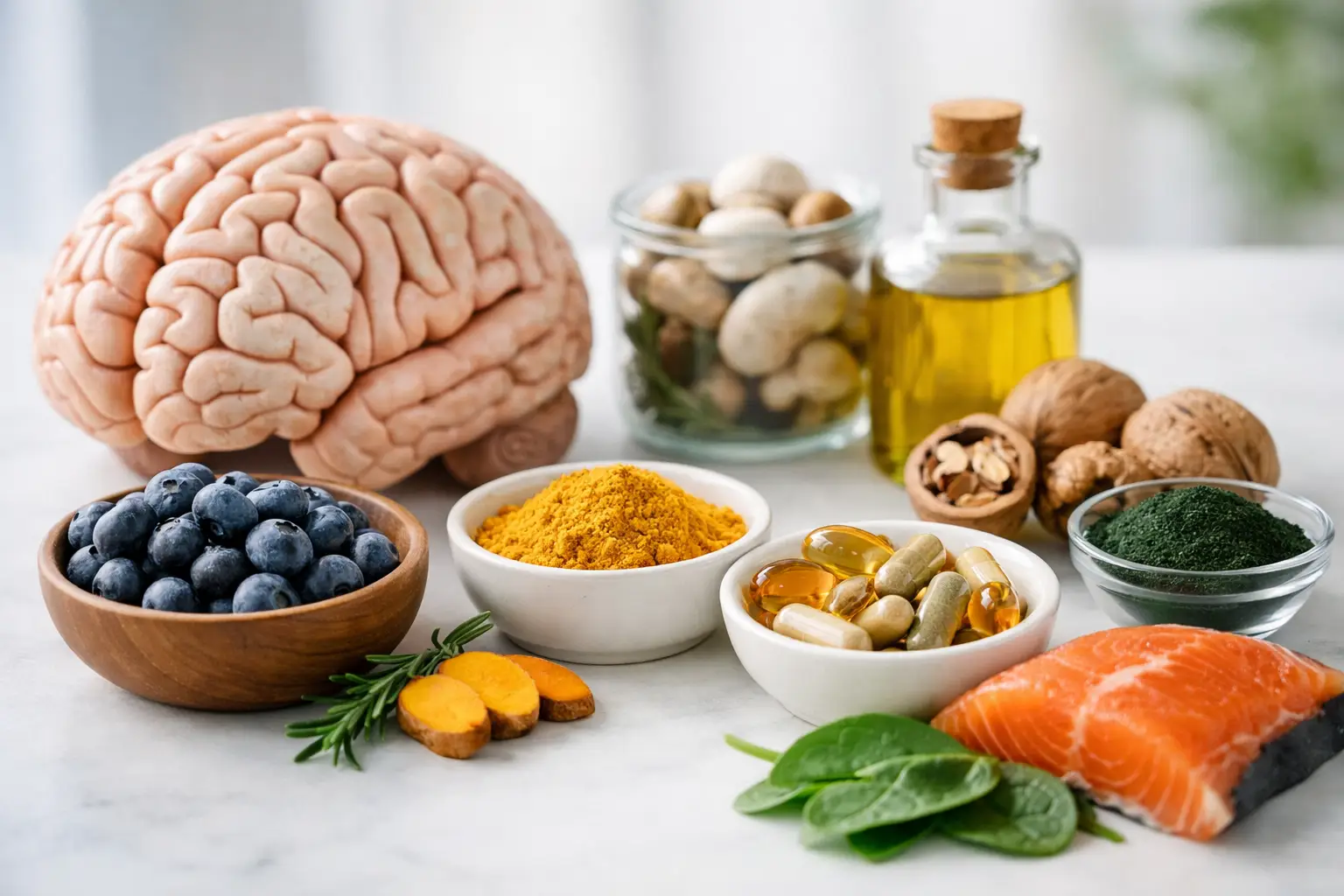
The strongest approach is not a random “kitchen sink” blend. Each ingredient should earn its place through a plausible mechanism, human evidence where available, appropriate dosing, and a role within a larger brain-maintenance strategy.
Omega-3 fatty acids: DHA and EPA
DHA is a major structural fat in the brain and retina. EPA is often studied for its role in inflammatory signaling and cardiovascular support. Together, omega-3 fatty acids help support healthy cell membranes, which matter because neurons rely on flexible, well-functioning membranes to communicate.
For adults who rarely eat fatty fish, a purified fish oil or algae-based omega-3 may be worth discussing with a clinician. The trade-off is real: quality, freshness, dose, and medication interactions matter, particularly for people using anticoagulants or preparing for surgery. Omega-3s are not a substitute for treatment, but they are foundational nutrients in a long-range brain-health plan.
Magnesium: support for sleep and signaling
Magnesium participates in hundreds of enzymatic reactions and plays a role in nerve signaling, muscle relaxation, glucose regulation, and sleep. That makes it relevant to brain wellness even though it is not a standalone cognitive cure.
The form matters. Magnesium glycinate is often chosen for tolerability and evening use, while magnesium L-threonate has drawn attention for its ability to raise magnesium levels in the brain in preclinical research. Human evidence on cognitive outcomes remains limited, so it should be viewed as a supportive tool, not a breakthrough claim. For someone whose sleep is disrupted, however, improving the conditions for deep, restorative sleep may be far more meaningful than chasing a stimulant-driven feeling of mental sharpness.
Curcumin: inflammation support with a formulation challenge
Curcumin, a key compound in turmeric, has been studied for antioxidant and inflammatory-pathway activity. Chronic inflammation is not the sole cause of cognitive decline, but it can be part of the terrain that makes the aging brain less resilient.
Here is the catch: ordinary curcumin is poorly absorbed. A formula needs a delivery strategy, such as a lipid-based preparation or another clinically studied bioavailability approach, to have a reasonable chance of making a difference. Curcumin can also interact with medications, including blood thinners, and may not suit people with gallbladder conditions. Natural does not mean consequence-free.
Citicoline: membrane building blocks and attention support
Citicoline provides choline and cytidine, compounds involved in phospholipid metabolism. In plain language, it helps supply raw materials connected to cell-membrane maintenance and acetylcholine production. Some human studies suggest possible benefits for attention or memory in certain populations, though results vary by age, health status, and dose.
Citicoline is especially interesting because it does not merely push the nervous system harder. Its proposed role is more structural: supporting the cellular infrastructure on which communication depends. Still, people who are sensitive to activating supplements should start carefully and speak with a clinician if they have neurological or psychiatric conditions.
Bacopa monnieri: a patient ingredient for memory
Bacopa is an Ayurvedic botanical with a longer tradition than its modern supplement label suggests. Standardized extracts have been studied for memory acquisition and recall, often after consistent use for several weeks rather than immediately.
That timeline matters. Brain wellness is rarely dramatic. A responsible plan favors ingredients that support the long game, even when they do not create an instant “feel it now” effect. Bacopa may cause digestive upset or fatigue in some people, and thyroid conditions or medication use warrant professional guidance.
Lion’s mane: promising, but not proven medicine
Lion’s mane mushroom has become a popular name in cognitive wellness because of early research on compounds that may influence nerve-growth pathways. Small human studies and preclinical findings are intriguing, but the evidence is not strong enough to present lion’s mane as a treatment for neurodegenerative disease.
Quality is the central issue. Mushroom products differ widely in species, fruiting-body content, extraction methods, and active-compound transparency. A label that says “mushroom” without telling you what is actually in the bottle is not a serious answer for a serious concern.
What ingredients cannot do alone
An ingredient strategy can support the brain’s maintenance environment. It cannot compensate for chronically short sleep, untreated sleep apnea, uncontrolled diabetes, heavy alcohol use, smoking, social isolation, or a sedentary life. These are not minor lifestyle footnotes. They can directly influence vascular function, inflammation, sleep architecture, and cognitive risk.
For glymphatic support in particular, sleep is nonnegotiable. Deep sleep is when the brain appears to do much of its housekeeping. If you snore loudly, wake gasping, feel exhausted despite enough hours in bed, or notice worsening memory, ask a healthcare professional about sleep apnea. Treating a sleep disorder may do more for brain resilience than adding a sixth supplement.
This is also where My Brain Restore™ takes a different view: brain support should not be reduced to symptom masking. The real question is whether a strategy respects the brain as a system that must fuel, protect, communicate, rest, and clear waste continuously.
How to choose a formula without being misled
Start with transparency. Look for clearly named ingredients, meaningful amounts, standardized botanical extracts when applicable, and a reason each compound is included. Proprietary blends that hide doses make it impossible to judge whether a formula is thoughtfully designed or simply marketed well.
Then consider your personal context. A 42-year-old focused on prevention has different needs than a caregiver supporting a parent with mild cognitive changes. Someone taking multiple prescriptions needs a medication-interaction review. Someone with new confusion, tremor, sudden memory loss, personality changes, or trouble managing daily tasks needs medical evaluation, not supplement experimentation.
Most of all, avoid the false choice between conventional care and proactive wellness. Neurological symptoms deserve qualified medical attention. Nutrition, sleep, exercise, stress support, and carefully chosen supplements can belong in the same plan.
Your future brain is being shaped by ordinary decisions repeated for years. Choose ingredients with discipline, protect your sleep like it matters, and build a maintenance routine before a clogged sink becomes a crisis.
Similar Posts
Supplements for Neurological Resilience
Learn how supplements for neurological resilience may support brain clearance, inflammation balance, and aging cognition with a smarter strategy.
Preventive Brain Formula Review for Brain Health
Our preventive brain formula review examines glymphatic support, ingredients, expectations, safety, and the habits that protect long-term cognitive health.
A Practical Guide to Glymphatic Health
A practical guide to glymphatic health – learn how sleep, circulation, stress, and daily habits support the brain’s waste-clearing system.
Glymphatic System Supplement Review Explained
Read a glymphatic system supplement review that weighs ingredients, evidence, safety, sleep habits, and smarter questions before you buy brain support now.
Support for Cognitive Decline Caregivers That Helps
Support for cognitive decline caregivers: practical ways to protect your energy, coordinate care, ask better questions, and create room for hope every day.
How Sleep Affects Brain Detox at Night
Learn how sleep affects brain detox, why deep sleep drives glymphatic clearance, and what poor sleep may mean for memory and long-term brain health.