Top Nutrients for Brain Longevity That Matter
Aging brains do not fail overnight. Long before a diagnosis, the conditions that shape cognitive resilience may be changing: sleep becomes lighter, inflammation lingers, blood flow weakens, and cellular energy production becomes less efficient. The top nutrients for brain longevity matter because they support the systems that keep the brain maintained – not merely stimulated for an hour or two.
That distinction is critical. A cup of coffee may sharpen attention. A sugar-heavy “brain boost” may create a temporary lift. But longevity asks a harder question: what helps the brain continue its work of producing energy, managing oxidative stress, maintaining membranes, and clearing metabolic waste over decades?
No nutrient can promise protection from Alzheimer’s, Parkinson’s disease, dementia, or cognitive decline. Those conditions are complex, and anyone claiming a single vitamin is the answer is selling false certainty. Yet nutrition is not a side issue. It is one of the daily inputs that can either support the brain’s maintenance pathways or add to the burden they already carry.
Why Brain Longevity Is a Maintenance Problem
The brain is small relative to the rest of the body, but it consumes an outsized share of energy. Every thought, movement, memory, and heartbeat depends on neurons communicating with precision. That work creates metabolic byproducts. Like any high-performance system, the brain needs fuel, protection, repair materials, and effective cleanup.
One of the most compelling areas of modern neuroscience is the glymphatic system – often described as the brain’s dishwasher. During quality sleep, fluid movement around brain cells appears to help clear certain waste products from the brain. Sleep disruption, chronic inflammation, poor metabolic health, and vascular problems can all interfere with the conditions this system needs to function well.
This is why brain longevity cannot be reduced to “take a memory pill.” The better question is whether a nutrient supports the broader environment: healthy circulation, cellular membranes, mitochondrial energy, inflammation balance, and the restorative work that happens at night.
The Top Nutrients for Brain Longevity
Omega-3 fatty acids: membrane integrity and inflammatory balance
DHA, an omega-3 fatty acid, is a major structural component of brain cell membranes. Those membranes are not passive wrapping. They influence how cells communicate, respond to signals, and manage stress. EPA, another omega-3, is often valued for its role in healthy inflammatory signaling.
For people who rarely eat fatty fish, omega-3 intake deserves serious attention. The trade-off is quality and dose. Fish oil products vary widely in purity, freshness, and actual EPA and DHA content. People taking blood-thinning medications or preparing for surgery should speak with a qualified clinician before adding high-dose omega-3 supplements.
Magnesium: the overlooked mineral for calm and recovery
Magnesium participates in hundreds of biochemical reactions, including processes tied to energy production, nerve signaling, muscle relaxation, and sleep quality. It does not force the brain to perform. It helps create the conditions for normal function and recovery.
That matters because poor sleep is not simply an annoyance. It may reduce the brain’s opportunity to perform its nightly maintenance. Magnesium-rich foods include leafy greens, legumes, nuts, seeds, and whole grains. Supplemental forms differ: some people tolerate magnesium glycinate well, while others may prefer citrate, which can have a stronger effect on digestion.
B vitamins: homocysteine and cellular energy support
Vitamin B12, folate, and vitamin B6 are central to methylation and homocysteine metabolism. Homocysteine is an amino acid that, when elevated, has been associated with vascular and cognitive concerns. B vitamins also help the body convert food into usable cellular energy.
This category is particularly relevant for older adults, people who use acid-reducing medications, those following plant-based diets, and anyone with absorption challenges. B12 deficiency can be missed for too long because fatigue, tingling, mood changes, and memory complaints have many possible causes. Testing and individualized guidance are more useful than blindly taking megadoses.
Vitamin D: immune signaling meets brain health
Vitamin D is commonly discussed for bones, but its receptors are found throughout the body, including the brain. It plays roles in immune regulation and may influence processes relevant to neurological health. Low vitamin D levels are common, especially for people with limited sun exposure, darker skin, obesity, or advancing age.
More is not always better. Vitamin D is fat-soluble and can accumulate. A blood test can help determine whether supplementation is warranted and how much is appropriate. Pairing vitamin D with a nutrient-dense diet and outdoor movement, when possible, is more sensible than treating it as a stand-alone solution.
Polyphenols: plant compounds that help defend the system
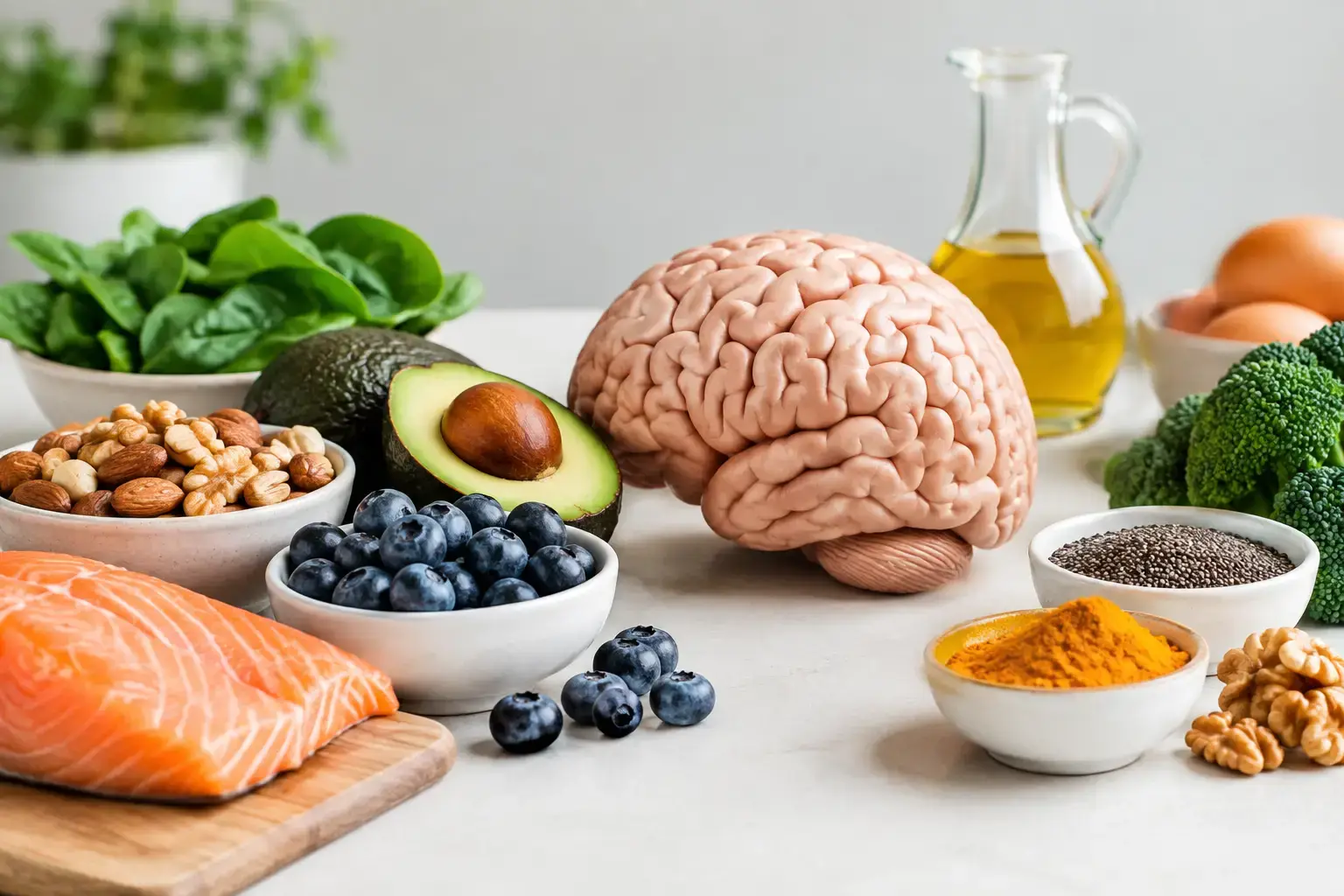
Berries, olive oil, cocoa, green tea, herbs, and deeply colored vegetables contain polyphenols – plant compounds studied for antioxidant and inflammation-modulating activity. Their value is not that they “erase” oxidative stress. The body needs some oxidative signaling. The goal is balance, not total suppression.
Food-first polyphenols bring additional benefits: fiber, minerals, and a more stable metabolic response than sugary processed snacks. A bowl of berries with plain yogurt, for example, supports the brain more meaningfully than a candy-flavored product dressed up with a few trendy extracts.
Choline: a building block with an individual context
Choline contributes to cell membrane structure and acetylcholine production, a neurotransmitter involved in memory and muscle control. Eggs, fish, poultry, and certain legumes are useful food sources. Some people, particularly those with low dietary intake, may benefit from closer attention to choline status.
Still, this is an area where more is not automatically better. Supplemental choline can cause side effects in some people and may not be appropriate for every medical history. The strongest approach is to assess the whole diet rather than chase a single compound because it sounds like a memory shortcut.
Nutrients Work Better When the Drain Is Not Clogged
A brain can have excellent raw materials and still struggle if sleep is fractured, blood sugar swings wildly, alcohol is excessive, or sedentary habits impair circulation. Think of it like a kitchen: premium soap cannot fully compensate for a clogged sink.
For glymphatic support, sleep is foundational. The brain’s cleanup rhythms appear most active during deeper stages of sleep, which makes consistent sleep timing, a dark room, and management of sleep apnea especially consequential. Daily movement also supports blood flow, insulin sensitivity, mood, and sleep pressure – all of which affect the larger brain-maintenance picture.
This systems view is the reason My Brain Restore™ focuses attention on the brain’s natural maintenance and clearance pathways rather than treating cognition as a simple neurotransmitter problem. Nutrients have a role, but they should be part of a larger commitment to reducing the burden on an aging brain.
How to Build a Smarter Brain-Longevity Routine
Start by looking for gaps, not miracles. If your diet lacks fish, leafy greens, colorful plants, quality protein, and mineral-rich whole foods, correcting those gaps will usually matter more than assembling a cabinet full of supplements. If you have persistent fatigue, numbness, sleep problems, memory changes, or new neurological symptoms, do not self-diagnose a deficiency. Bring those concerns to a healthcare professional.
A practical routine might include protein and produce at each meal, fatty fish a few times weekly when appropriate, hydration throughout the day, and a consistent bedtime that protects seven to nine hours of sleep. Supplements can complement that foundation when chosen for a clear reason, at appropriate doses, and with attention to medication interactions.
The point is not to fear aging. It is to stop treating the brain as though it can run indefinitely without maintenance. Every meal, every night of sleep, and every decision that supports circulation and recovery is a vote for the brain you want to carry forward.
Similar Posts
Do Brain Waste Clearance Supplements Work?
Do brain waste clearance supplements work? Learn how glymphatic support, sleep, and key nutrients may help the brain’s cleanup system function.
The Future of Brain Clearance Science Is Here
The future of brain clearance science shows how sleep and glymphatic flow could influence lifelong cognitive resilience, and what families can do now.
Is Brain Fog Early Decline? What to Watch For
Is brain fog early decline? Learn what occasional lapses can mean, which warning signs deserve attention, and how sleep and brain clearance may matter.
How to Evaluate Botanical Evidence for Brain Health
Learn how to evaluate botanical evidence for brain health, separate promise from proof, and make safer, smarter supplement choices with confidence today.
Natural Support for Parkinsons That Makes Sense
Natural support for Parkinsons starts with sleep, movement, nutrition, and brain-clearing pathways that help protect function and daily life.
A Practical Guide to Glymphatic Health
A practical guide to glymphatic health – learn how sleep, circulation, stress, and daily habits support the brain’s waste-clearing system.