Brain Imaging Versus Cognitive Tests: What They Show
A person can feel mentally slower, lose words mid-sentence, forget a familiar route, or watch a loved one change before any scan shows a clear answer. That is why brain imaging versus cognitive tests is not a contest with one winner. These tools answer different questions about the brain – and confusing one for the other can leave families with false reassurance, unnecessary fear, or both.
For anyone worried about memory loss, Parkinson’s, Alzheimer’s disease, concussion effects, or a family history of dementia, the central question is not simply, “Which test is best?” It is: “What information is missing, and what should happen next?”
Brain Imaging Versus Cognitive Tests: Different Windows Into the Brain
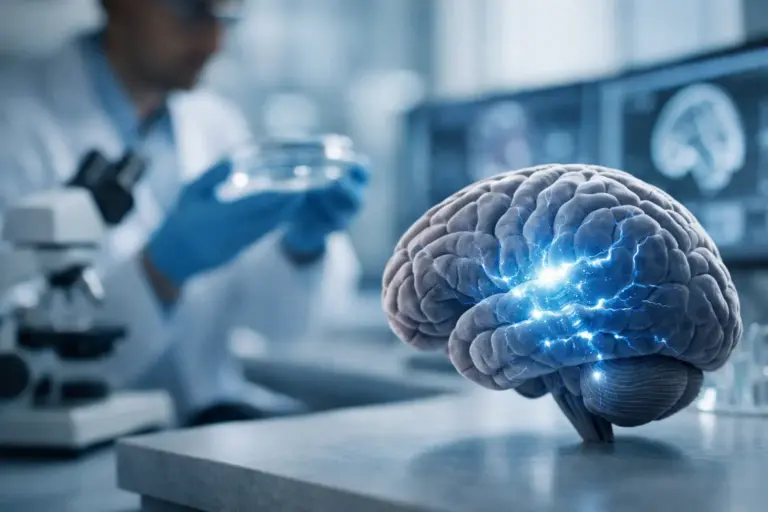
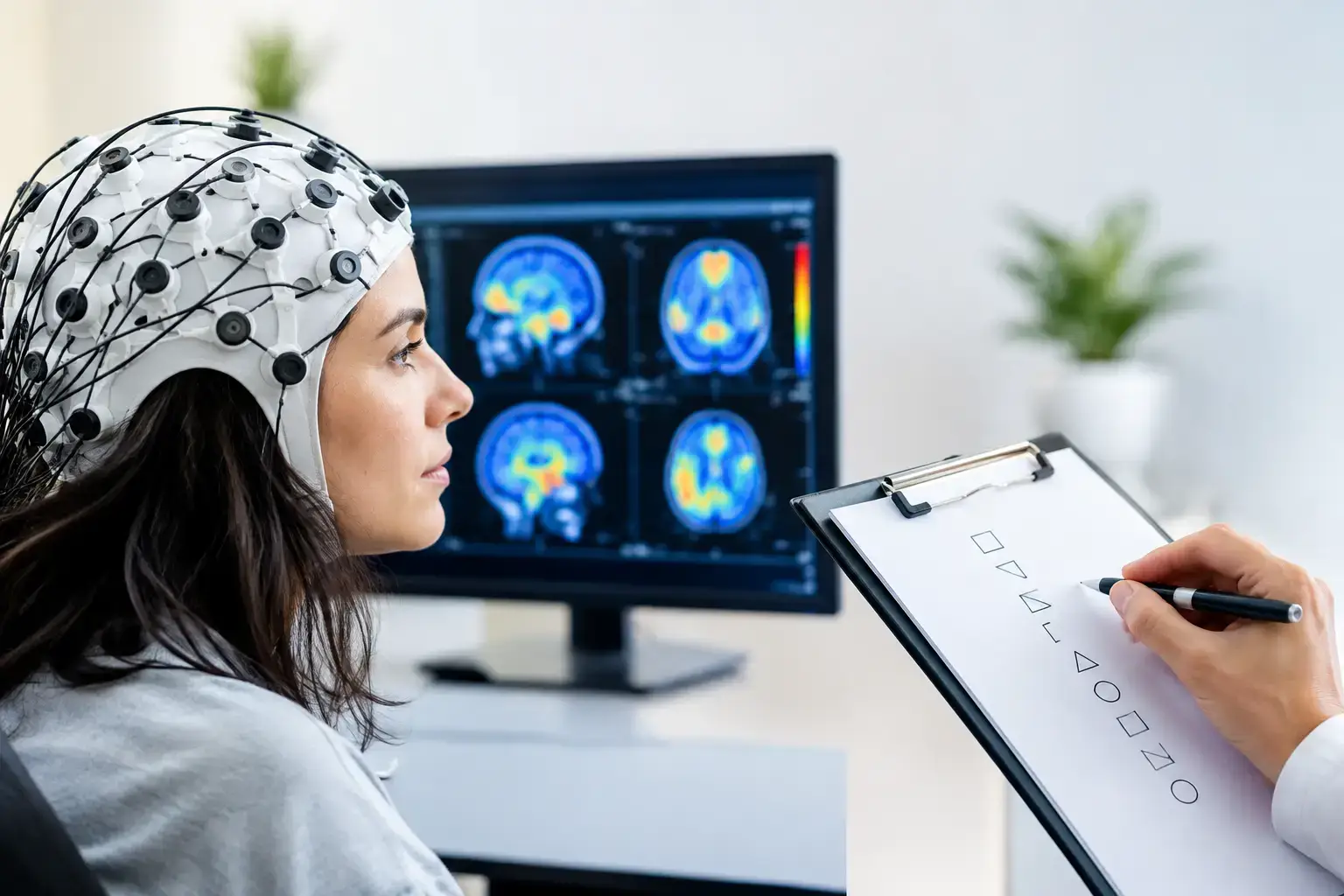
Brain imaging looks at structure, blood flow, activity, or certain biological changes in the brain. Cognitive tests look at function: how well someone remembers, reasons, focuses, speaks, plans, and processes information in real time.
Think of the brain as a house with a complicated electrical system, plumbing, insulation, and decades of wear. An MRI may reveal whether there is visible structural damage. A cognitive assessment may reveal that the lights are flickering in a pattern that affects daily life. Neither view tells the whole story alone.
That distinction matters because many neurological conditions develop gradually. Changes in thinking can emerge before a standard structural scan reveals an obvious abnormality. On the other hand, a person may perform poorly on a cognitive screening because of poor sleep, depression, medication effects, pain, anxiety, hearing loss, or an acute illness – not necessarily because a neurodegenerative disease is underway.
The goal is not to chase tests. The goal is to build a clearer clinical picture.
What Brain Imaging Can Show
“Brain imaging” covers several technologies, and each has a different purpose. A clinician may choose an imaging study to rule out urgent problems, investigate a new symptom pattern, or look for changes that support a diagnosis.
A CT scan is often used quickly when there is concern about bleeding, major stroke, head injury, or other urgent structural issues. It is fast and widely available, but it does not offer the same level of detail as an MRI for many subtle brain changes.
An MRI provides a more detailed look at brain structure. It can help identify strokes, tumors, inflammation, hydrocephalus, some patterns of tissue loss, and changes in small blood vessels. In a memory evaluation, MRI findings may show whether vascular injury or shrinkage in certain regions could be contributing to cognitive symptoms.
PET scans can evaluate brain metabolism or, in some settings, detect biomarkers associated with Alzheimer’s disease. These scans can be highly informative in carefully selected cases, especially when the diagnosis remains unclear after a thorough evaluation. But they are not a casual wellness test. Cost, access, insurance coverage, radiation exposure, and the meaning of a result all deserve serious discussion with a qualified clinician.
Imaging has real power. It can reveal that a problem is not “just aging.” It can uncover treatable causes or show evidence of vascular disease that demands attention. Yet imaging also has limits.
A normal MRI does not prove that memory complaints are imaginary. Early Alzheimer’s disease, Lewy body disease, sleep-related cognitive disruption, medication-related fog, and other causes of impairment may not announce themselves clearly on a routine scan. Likewise, an abnormal scan does not automatically predict a person’s day-to-day ability, future decline, or diagnosis.
What Cognitive Tests Can Reveal
Cognitive testing asks the brain to perform. Depending on the test, a person may be asked to recall words after a delay, copy a drawing, name objects, follow directions, shift between tasks, solve problems, or explain similarities between concepts.
Brief screening tools are often used in primary care or neurology offices. They can flag whether further evaluation is warranted, but they are not the same as a diagnosis. A score can be influenced by education, language, cultural background, fatigue, stress, sensory limitations, and whether the person understood the instructions.
A comprehensive neuropsychological evaluation goes deeper. It may take several hours and can map strengths and weaknesses across memory, attention, language, processing speed, executive function, visuospatial skills, and mood. This level of testing can sometimes help distinguish between patterns more consistent with Alzheimer’s disease, vascular cognitive impairment, frontotemporal disorders, depression, or other conditions.
Just as importantly, cognitive testing documents function. It can show whether a person is having trouble with short-term memory, or whether the greater issue is attention and processing speed. Those are not interchangeable problems. Someone who cannot retain new information may need a different workup than someone whose memory improves once distractions, sleep disruption, or anxiety are addressed.
The limitation is that a test score is a snapshot. A difficult morning, poor sleep, medication changes, grief, or fear of the test itself can affect performance. One score should never become a life sentence.
Why Symptoms and Daily Function Still Matter
There is a dangerous temptation to hand our judgment over to a scan, a score, or a lab value. But brain health is not fully captured by a single image or number.
The most meaningful clues often emerge in ordinary life: bills that were once easy to manage, missed medications, repeated questions, altered judgment, new trouble navigating familiar places, personality changes, falls, disrupted sleep, or a decline in the ability to organize a meal. Loved ones frequently notice these shifts before the person experiencing them does.
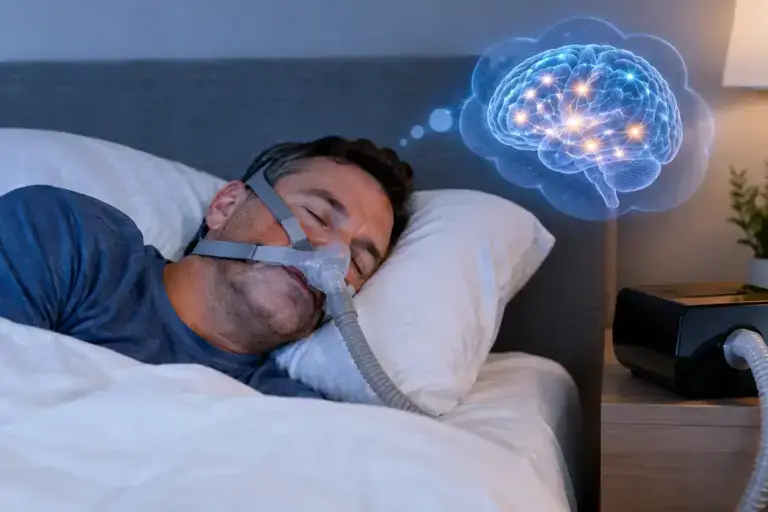
That is why a quality assessment includes a detailed history, medication review, physical and neurological examination, mood and sleep evaluation, and often basic laboratory work. Problems involving thyroid function, vitamin deficiencies, infections, metabolic changes, substance use, untreated sleep apnea, and medication interactions can affect cognition. Some causes are reversible or manageable. They should not be overlooked because everyone is focused on one feared diagnosis.
When Both Tests Are More Powerful Together
In many cases, the clearest answers come from combining functional and structural information over time.
Consider a person whose family notices repeated questions and worsening financial mistakes. Cognitive testing may confirm a significant memory pattern. MRI may then help assess whether strokes, vascular injury, pressure changes, or another structural issue could be involved. If uncertainty remains, a specialist may consider additional testing.
Now consider someone with brain fog, slowed thinking, and poor concentration after months of broken sleep. Cognitive testing might show attention weaknesses, while imaging is unremarkable. That does not mean the symptoms are insignificant. It may point the investigation toward sleep, mood, medications, inflammation, or other contributors rather than irreversible structural disease.
The reverse can also happen. Imaging may reveal white matter changes or signs of old vascular injury while cognition remains mostly intact. That finding can still be a warning light. It may create an opportunity to address blood pressure, blood sugar, exercise, sleep, smoking, and other factors that influence long-term neurological resilience.
Do Not Let a “Normal” Result End the Conversation
A normal scan can be relieving. It can also become a premature stopping point. If cognitive changes continue, worsen, or interfere with independence, follow-up matters. Trends often reveal more than one isolated appointment.
Keep practical notes before a medical visit. Record when symptoms began, whether they fluctuate, what makes them worse, any recent illnesses or medication changes, sleep patterns, and specific examples of daily-life problems. If possible, bring a trusted family member or caregiver. Their observations may fill in gaps that memory itself cannot reliably report.
Ask direct questions: What does this test rule out? What does it not rule out? Is this a screening result or a diagnostic result? Should testing be repeated? Could sleep, vascular health, medications, mood, or hearing be contributing?
These questions are not confrontational. They are how patients and families reclaim agency in a system that too often reduces brain concerns to “wait and see.”
The Bigger Issue: Brain Maintenance Before Crisis
By the time cognitive symptoms become unmistakable, families are often already carrying fear, confusion, and grief. But brain health is not only a crisis conversation. It is also a maintenance conversation.
Sleep, movement, metabolic health, stress load, social connection, vascular health, and recovery all affect the brain’s ability to function and repair. The glymphatic system – often described as the brain’s nighttime cleanup pathway – has brought overdue attention to the role of sleep and brain waste clearance in neurological resilience. That science is still evolving, but the core message is hard to ignore: the brain is not static, and it does not maintain itself without support.
My Brain Restore™ was built around that systems-level view: not treating the brain as a collection of isolated symptoms, but recognizing the importance of the conditions that support its natural maintenance pathways. Supplements are not diagnostic tools and should not replace medical evaluation, especially when new or progressive symptoms are present. They belong, if used, inside a broader plan grounded in medical guidance and daily habits.
If you are seeing changes in yourself or someone you love, do not wait for the perfect test to give you permission to act. Document what you see, seek a thoughtful evaluation, protect the fundamentals that support the brain, and keep asking for answers that match the seriousness of the concern.
Similar Posts
The Future of Brain Clearance Science Is Here
The future of brain clearance science shows how sleep and glymphatic flow could influence lifelong cognitive resilience, and what families can do now.
Guide to Natural Neuroprotection That Works
A guide to natural neuroprotection: learn how sleep, movement, food, stress control, and brain-clearance habits may support lifelong cognitive resilience.
Sleep Apnea and Cognition During the Night
Sleep apnea and cognition are closely linked. Learn why disrupted breathing can cloud memory and focus, and what protects your brain each night.
Brain Wellness Supplements vs Prescription Drugs
Compare brain wellness supplements vs prescription drugs, including benefits, limits, safety, and how glymphatic support may fit into brain care today.
How to Support Neurological Recovery Naturally
Learn how to support neurological recovery naturally through sleep, movement, nutrition, and brain-clearance habits that build daily resilience over time.
Nootropic Safety for a Brain You Can Trust
Nootropic safety starts with knowing what is in your formula, how it affects your medications, and whether its promises outrun credible human evidence.