Guide to Natural Neuroprotection That Works
A forgotten name, an unsteady step, a parent repeating the same question – these moments can make brain health feel frighteningly out of your control. But a meaningful guide to natural neuroprotection starts from a more empowering truth: the brain is not a static machine waiting to break. It is living tissue with maintenance systems, energy demands, circulation needs, immune activity, and a nightly cleanup process that deserves far more attention.
No supplement, meal plan, or wellness ritual can promise to prevent Alzheimer’s, Parkinson’s disease, dementia, or another neurological condition. Those diseases are complex, and anyone with new or worsening cognitive, movement, speech, mood, or balance changes needs medical evaluation. Still, the daily conditions you create around your brain matter. Natural neuroprotection means reducing avoidable strain while supporting the systems that help the brain repair, adapt, and clear metabolic waste over time.
What Natural Neuroprotection Really Means
Neuroprotection is often discussed as though it were one nutrient or one breakthrough molecule. That is too small a frame. True neuroprotection is a systems-level effort to protect neurons, blood vessels, mitochondria, immune balance, and the brain’s waste-clearance pathways.
Think of the brain less like a computer and more like a city. Its cells need dependable fuel, clean circulation, sleep-based maintenance crews, and working drainage. When inflammation stays elevated, blood sugar swings wildly, sleep is cut short, alcohol is excessive, or stress never lets up, the city has to operate while its streets are clogged and its repair crews are understaffed.
One of the most compelling areas of brain research involves the glymphatic system, often called the brain’s dishwasher. During quality sleep, especially deep sleep, fluid movement around the brain appears to help clear certain metabolic byproducts. Researchers are still defining exactly how this system functions in humans and what interventions reliably influence it. But the practical implication is already clear: sleep is not idle time. It is maintenance time.
A Guide to Natural Neuroprotection Begins at Night
If you are worried about cognitive decline, do not treat sleep as an optional lifestyle upgrade. Treat it as foundational brain infrastructure.
Consistently short or fragmented sleep can impair attention and memory the next day. Over years, poor sleep is also associated with higher risk factors that matter to brain health, including high blood pressure, insulin resistance, depression, and sleep-disordered breathing. For many adults, the most overlooked threat is not simply sleeping too little. It is sleeping poorly while assuming that fatigue is normal.
Aim for a stable sleep and wake schedule, including weekends when possible. Keep the bedroom dark, cool, and quiet. Get outdoor light early in the day, and reduce bright screens and stressful work in the hour before bed. These basic moves sound almost too simple, but they reinforce circadian timing, which helps regulate sleep depth and consistency.
If loud snoring, gasping, morning headaches, severe daytime sleepiness, or resistant high blood pressure are part of the picture, ask a clinician about sleep apnea. Treating an underlying sleep disorder may do more for a brain under strain than adding another item to a supplement cabinet.
Sleeping position is also being studied in relation to brain fluid dynamics. Side sleeping may be worth considering if it is comfortable for you, but comfort, adequate sleep duration, and treatment for sleep disorders carry more established practical weight. Natural neuroprotection is not about chasing fringe hacks. It is about doing the big things consistently enough for them to count.
Protect the Vessels That Feed the Brain
The brain depends on a remarkable network of blood vessels. When vascular health suffers, the brain suffers with it. High blood pressure, diabetes, smoking, sedentary behavior, and unmanaged cholesterol can quietly damage the circulation that delivers oxygen and nutrients to brain tissue.
Movement is one of the strongest tools you can use because it acts on several systems at once. It supports circulation, insulin sensitivity, mood, sleep quality, balance, and the production of growth-supporting signals in the brain. You do not need to become an endurance athlete to benefit. Brisk walking, cycling, swimming, dancing, or similar activity performed regularly can be meaningful.
A useful target is 150 minutes a week of moderate activity, adjusted for your current fitness and medical situation. Add strength training two or more days a week if your clinician says it is appropriate. Muscle is not merely cosmetic. It helps the body manage glucose, maintain mobility, and preserve the independence that protects quality of life.
Do not ignore balance and coordination work, especially after midlife. Tai chi, yoga, supervised mobility training, and simple balance exercises can reduce fall risk while challenging the brain-body connection. The best routine is the one you will still be doing six months from now.
Feed the Brain Without Chasing Miracle Foods
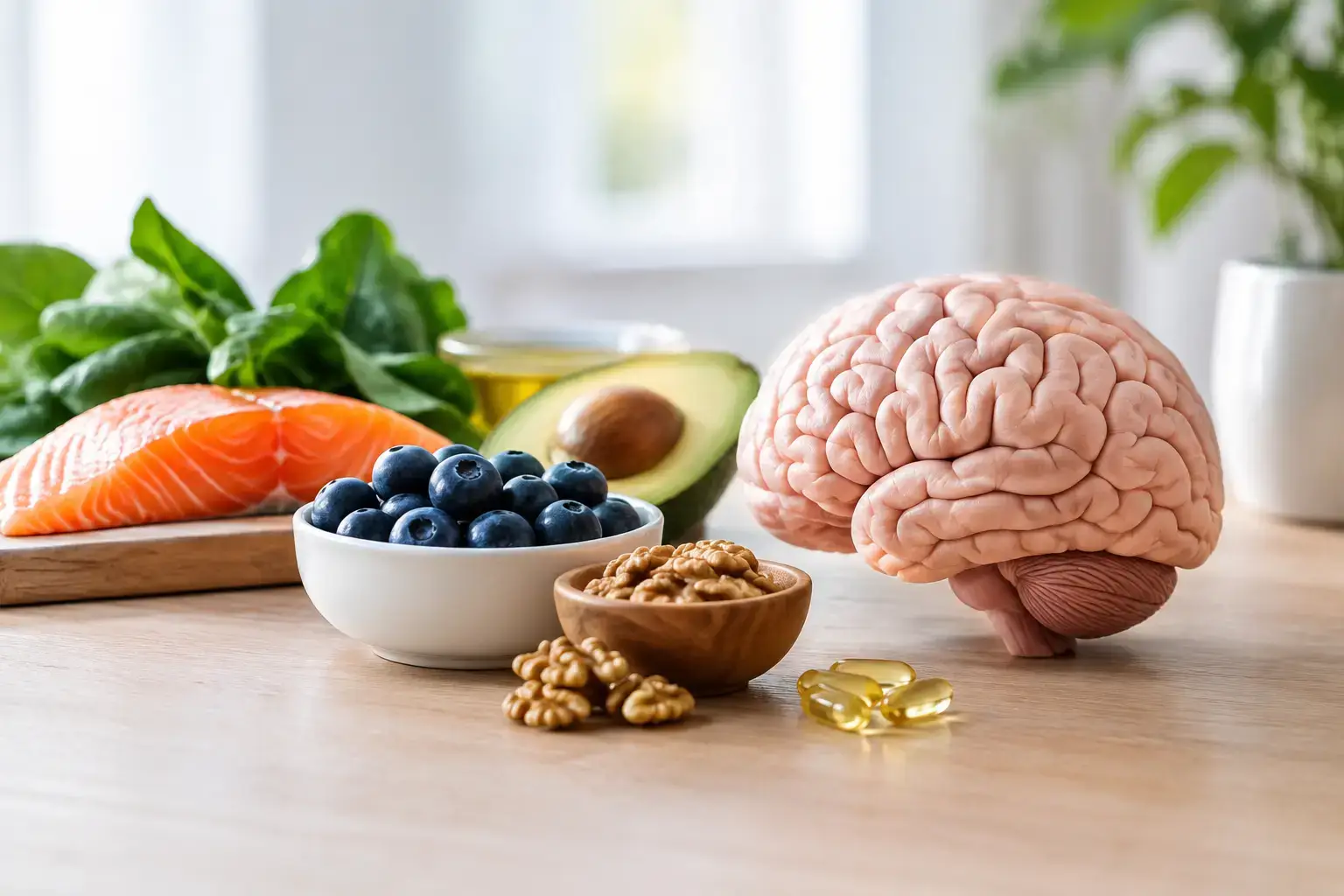
A brain-supportive eating pattern is less about a single “superfood” and more about lowering the metabolic noise that can build over years. Diets rich in colorful plants, legumes, nuts, seeds, fish, olive oil, and minimally processed foods are consistently associated with better cardiovascular and cognitive health patterns.
Start by looking at what dominates your plate. If ultra-processed foods, sugary drinks, refined snacks, and frequent fried meals are routine, replacing some of them can make a bigger difference than hunting for exotic ingredients. Build meals around fiber-rich plants and protein. Choose healthy fats more often. Make hydration habitual, particularly if you are older or take medications that affect fluid balance.
Omega-3 fatty acids, found in fatty fish and certain algae-based products, are of particular interest because neuronal membranes rely on fats. Polyphenol-rich foods such as berries, cocoa, herbs, and deeply colored vegetables may also support healthy inflammatory and oxidative-stress responses. “May” is the right word. Food is powerful, but it is not a prescription drug and should not be marketed as one.
Supplements can have a place when they address a real gap, fit your health history, and are chosen with care. Vitamin B12 deficiency, for example, can affect cognition and nerve function, particularly in older adults and people taking certain medications. Yet more is not always better. High doses can interact with medicines, and proprietary formulas vary greatly in quality. Bring every supplement to your pharmacist or clinician, especially if you use blood thinners, diabetes medication, seizure medication, or treatments for blood pressure.
Lower the Brain’s Chronic Alarm State
Chronic stress does not mean you are weak, and reducing it does not require pretending life is easy. It means recognizing that a nervous system stuck in high alert can disrupt sleep, raise blood pressure, alter eating patterns, and leave little capacity for restorative habits.
Create one reliable downshift practice that you can repeat daily: a quiet walk without a phone, slow breathing, prayer, journaling, time in nature, music, or a real conversation with someone safe. The method matters less than the repetition. Your brain needs regular evidence that the emergency is over.
Social connection belongs in a serious natural neuroprotection plan, too. Isolation is associated with poorer health outcomes, while meaningful relationships can support mood, cognition, and resilience. A weekly card game, volunteer role, book club, class, or standing family call is not trivial. It is brain health behavior.
Build a Brain That Keeps Learning
The brain responds to challenge. Learning a new skill, practicing an instrument, studying a language, solving problems, creating art, or mastering unfamiliar technology can all demand attention, memory, and flexible thinking. Passive consumption has its place, but active learning asks more of the neural networks you want to preserve.
Choose activities that are slightly difficult but not demoralizing. If crossword puzzles are enjoyable, keep them. But also add novelty. Take a different route, learn the names of plants in your neighborhood, cook a new recipe from memory, or join an activity that requires interaction and coordination. The goal is not perfection. It is continued engagement.
Use Natural Support With Clear Eyes
The appeal of natural approaches is understandable. Many families have watched conventional care focus heavily on symptom management while offering too little guidance on daily brain maintenance. That frustration is real. It should lead to better questions, not reckless promises.
A formula designed around botanical ingredients and brain-clearance support, such as My Brain Restore, may fit into a broader wellness strategy for people who want targeted nutritional support. But it should sit beside the fundamentals, not replace them. A supplement cannot compensate for untreated sleep apnea, uncontrolled blood pressure, sedentary living, heavy alcohol use, or delayed medical care.
Be especially cautious with any product claiming to cure dementia, reverse Parkinson’s disease, remove brain plaques, or replace prescribed treatment. Responsible brain support acknowledges uncertainty, respects medical care, and focuses on the habits that can be sustained for years.
The most powerful next step is not to overhaul your entire life by Monday. Choose one action that improves your sleep, one that gets your body moving, and one that strengthens connection or mental challenge. Repeat them until they become ordinary. The brain’s maintenance systems work quietly, day after day – and your daily choices can give them a far better chance to do their job.
Similar Posts
How to Reduce Brain Fog Naturally, Starting Today
Learn how to reduce brain fog naturally with sleep, movement, hydration, food, stress support, and a brain-clearance approach that respects your body.
How to Support Healthy Cerebrospinal Fluid Flow
Learn how to support healthy cerebrospinal fluid flow with sleep, movement, hydration, and medical awareness for long-term brain resilience every day.
How to Build a Brain Protection Routine That Lasts
Learn how to build a brain protection routine around sleep, movement, nutrition, risk checks, and daily habits that support long-term cognitive resilience.
Sleep Quality and Brain Restoration Explained
Sleep quality and brain restoration are closely connected. Learn how deep sleep supports the brain’s nightly cleanup, resilience, and clear daily thinking.
How to Assess Cognitive Changes Before They Grow
Learn how to assess cognitive changes with a clear baseline, real-world observations, and medical red flags that call for prompt action and answers early.
A Nighttime Brain Recovery Routine That Works
Build a nighttime brain recovery routine that supports deep sleep, glymphatic clearance, and the daily habits that protect long-term cognitive resilience.