Nootropic Safety for a Brain You Can Trust
A bottle that promises focus, memory, or “brain power” can feel like a lifeline when forgetfulness begins to frighten you. But nootropic safety is not determined by the confidence of a label, a glowing review, or a clever ingredient story. It is determined by what is actually in the product, what it can do in your body, what else you are taking, and whether the evidence matches the promise.
For people worried about Alzheimer’s, Parkinson’s, cognitive decline, or preserving independence as they age, that distinction matters. The brain is not a machine to be pushed harder with a stimulant. It is a living system that needs sleep, circulation, metabolic stability, inflammation control, and effective housekeeping.
Why Nootropic Safety Is More Than a Label Check
“Nootropic” is a marketing category, not a regulated medical standard. It may describe caffeine and amino acids, traditional botanicals, isolated compounds, mushroom extracts, vitamins, prescription-like substances, or blends with a dozen ingredients hidden behind a proprietary formula.
That range is exactly why broad reassurance is reckless. Some ingredients have a long history of use and reasonable safety data at conventional doses. Others have limited human research, uncertain purity, or meaningful interaction risks. A substance can be natural and still raise blood pressure, increase bleeding risk, alter blood sugar, disturb sleep, or affect the way a medication is processed.
The question is not, “Is this a nootropic?” The better question is, “Is this formula appropriate for my health history, medications, dose, and goals?”
A person in their thirties using a modest amount of caffeine for an occasional work deadline is not facing the same decision as a 68-year-old taking a blood thinner, a diabetes medication, and treatment for high blood pressure. Context changes the risk.
The Biggest Red Flags in Brain Supplements
The supplement aisle rewards certainty. Brain health does not. Be cautious when a product presents itself as a cure, promises to reverse Alzheimer’s or Parkinson’s disease, claims prescription-level results without prescription-level evidence, or suggests you should stop working with your physician.
Also be wary of blends that do not disclose the amount of each ingredient. Without individual doses, you cannot meaningfully assess safety, compare the formula with research, or identify what may be causing a side effect. “Proprietary” should never mean invisible.
Four warning signs deserve immediate attention:
- A formula contains many stimulating ingredients, especially if you have anxiety, insomnia, arrhythmia, or uncontrolled blood pressure.
- The label makes disease-treatment claims while avoiding clear information about dosage, testing, and contraindications.
- The company tells you that unpleasant symptoms are proof the product is “working.”
- The product is sold as a replacement for prescribed care, diagnostic testing, sleep treatment, or medical evaluation.
A responsible supplement company should be willing to tell you what is in its formula, why each ingredient is present, how much is included, and who should use caution. Transparency is not a luxury. It is the starting point for informed consent.
The Interaction Problem Most People Miss
Many people think about interactions only when they begin a new prescription. They do not always realize that supplements can change the picture too.
For example, ingredients that influence platelet activity or circulation may be a concern for people taking anticoagulants or antiplatelet drugs. Ingredients that lower blood sugar may compound the effect of diabetes medications. Stimulating compounds can conflict with medications used for blood pressure, heart rhythm, anxiety, or sleep. Some botanicals can affect liver enzymes that help process medications, potentially changing how strongly a drug acts.
This does not mean every brain-support supplement is dangerous. It means self-experimentation has limits, especially when your health is complex.
Before adding a nootropic, bring the complete label to a pharmacist or clinician who can review your medications. Include prescriptions, over-the-counter drugs, other supplements, and regular alcohol or cannabis use. Do not rely on memory. Take a photo of every label.
If you have a seizure disorder, liver or kidney disease, a bleeding condition, bipolar disorder, a heart-rhythm condition, are preparing for surgery, or are pregnant or breastfeeding, the threshold for professional guidance should be much higher.
Start With One Change, Not a Cabinet Full of Capsules
A common mistake is beginning three new products at once. When headaches, nausea, agitation, fatigue, vivid dreams, digestive changes, or insomnia appear, there is no way to know what caused them.
Introduce one formula at a time. Use the manufacturer’s suggested starting amount unless your clinician advises otherwise. Keep a simple record for the first few weeks: dose, timing, sleep quality, mood, digestive changes, blood pressure if relevant, and any unusual symptoms.
This approach is not timid. It is disciplined. Your brain health is too valuable to turn into a guessing game.
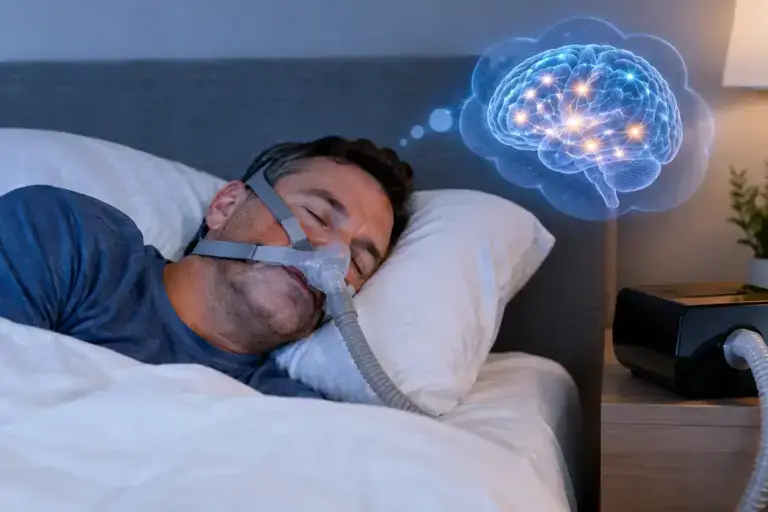
Timing matters as well. A compound that feels helpful at 9 a.m. may sabotage deep sleep if taken at 4 p.m. And sleep is not optional background maintenance. It is when the brain carries out essential restorative work, including activity in the glymphatic system, often described as the brain’s waste-clearance network.
Support the Brain’s Housekeeping, Not Just Its Output
The seductive promise of nootropics is instant output: sharper focus, faster recall, more drive. Yet for a brain facing age-related stress, the deeper question is whether you are supporting the conditions that allow it to maintain itself.
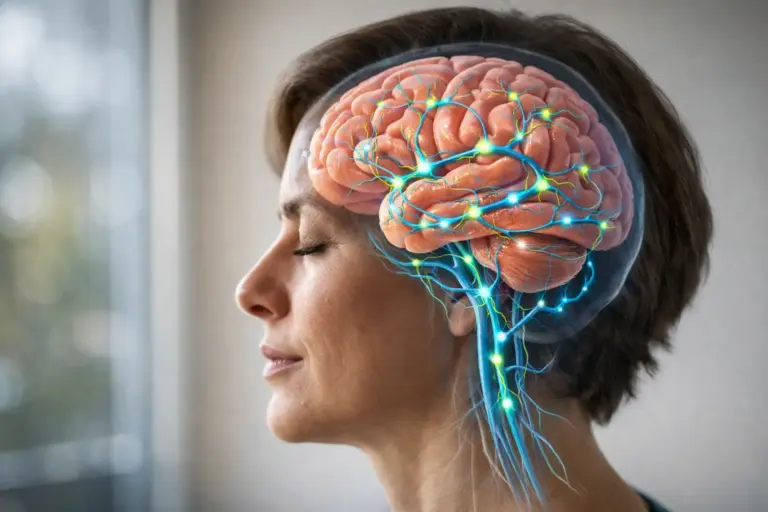
Think of the glymphatic system as part of the brain’s overnight cleanup crew. Research has highlighted the relationship between sleep and the movement of fluid through brain tissues, but the science is still developing. No supplement has earned the right to claim it can single-handedly “clean out” the brain or prevent neurodegenerative disease.
Still, the systems-level perspective is worth taking seriously. Poor sleep, untreated sleep apnea, chronic stress, sedentary behavior, uncontrolled blood pressure, insulin resistance, dehydration, and heavy alcohol use can all work against neurological resilience. A capsule cannot compensate for a clogged sink if the faucet is still running and the drain is still blocked.
That is why My Brain Restore’s focus on brain maintenance and clearance is a more useful conversation than simply chasing stimulation. But responsible brain support must remain grounded: supplements can complement healthy routines and medical care. They do not replace either one.
What Evidence Should Actually Look Like
A study headline is not the same as proof. When assessing a nootropic, ask whether the research was conducted in humans, whether it used the same ingredient form and dose found in the product, how long the study lasted, and whether the participants resemble you.
A tiny trial in healthy young adults does not establish benefit for a person with mild cognitive impairment. Animal or cell research may be scientifically interesting, but it cannot predict real-world outcomes with certainty. Traditional use can offer valuable clues, yet it does not eliminate the need for modern safety testing.
Look for modest, specific claims rather than sweeping ones. “Supports healthy cognitive function” is fundamentally different from “reverses dementia.” The first recognizes uncertainty. The second exploits fear.
Third-party testing also matters. Quality testing cannot prove that a supplement will work for you, but it can help verify identity, purity, and the absence of certain contaminants. In an industry with uneven standards, that is a meaningful layer of protection.
When to Stop and Get Help
Stop a new supplement and seek prompt medical guidance for signs of an allergic reaction, chest pain, fainting, a sustained rapid or irregular heartbeat, unusual bruising or bleeding, severe headache, confusion, severe agitation, jaundice, or a major change in mood.
For slower changes such as persistent insomnia, anxiety, digestive upset, headaches, or worsening tremor, pause the product and contact a clinician or pharmacist. Do not push through symptoms because a marketing message told you discomfort is part of “detox.” Your body is giving you information.
Most of all, do not let supplement research delay evaluation of new neurological symptoms. Sudden confusion, weakness on one side, speech difficulty, a new severe headache, loss of balance, or vision changes require urgent medical attention. New memory problems, personality changes, hallucinations, repeated falls, or functional decline deserve a proper clinical assessment.
The strongest approach to brain health is neither blind faith in pills nor cynical dismissal of every natural tool. It is clear-eyed agency: protect sleep, manage the conditions that threaten the brain, demand transparent formulas, involve qualified professionals, and choose products whose claims respect both science and your intelligence.
Similar Posts
How to Discuss Supplements With a Neurologist
Learn how to discuss supplements with neurologist visits clearly, safely, and confidently – from medication risks to questions about brain health goals.
Sleep Apnea and Cognition During the Night
Sleep apnea and cognition are closely linked. Learn why disrupted breathing can cloud memory and focus, and what protects your brain each night.
Can Supplements Support Brain Detox?
Can supplements support brain detox? Learn what science says about glymphatic support, nutrients, sleep, and realistic limits for brain health.
Natural Options for Parkinson’s Families That Matter
Natural options for Parkinson’s families include sleep, movement, food, stress relief, and informed supplement choices that support daily resilience today.
Best Botanicals for Brain Inflammation
Learn how botanicals for brain inflammation may support neuroprotection, calm immune stress, and complement a brain-clearing wellness strategy.
What Is the Glymphatic System?
What is the glymphatic system? Learn how the brain’s waste-clearing pathway works, why sleep matters, and what can disrupt healthy brain cleanup.