Supplements for Neurological Resilience
If you are looking into supplements for neurological resilience, chances are this is not casual curiosity. Maybe you have seen memory slips that feel different. Maybe Parkinson’s, Alzheimer’s, or dementia runs in your family. Maybe you are tired of being told to wait, watch, and hope. That frustration is real, and it points to a bigger truth – the brain needs support before decline becomes impossible to ignore.
For too long, the conversation around brain health has been too narrow. It has focused on symptoms, diagnoses, and end-stage decline, while ignoring one of the most important upstream questions: how well is the brain cleaning, repairing, and protecting itself every day? Neurological resilience is not just about sharper recall or better focus. It is about the brain’s ability to withstand stress, manage inflammation, maintain healthy cellular function, and clear the metabolic waste that can build up over time.
That is why the right supplement strategy should never be built on hype alone. It should be built on mechanism.
What neurological resilience really means
Neurological resilience is the brain’s capacity to stay functional under pressure and recover from insults over time. Those insults can come from aging, poor sleep, chronic inflammation, toxin exposure, blood sugar instability, oxidative stress, and repeated neurological strain. In practical terms, resilience means maintaining mental clarity, steadier mood, better stress tolerance, healthier sleep architecture, and stronger long-term cognitive performance.
This is where many people get misled. They shop for a “memory pill” or a stimulant-style nootropic and expect the brain to perform better without addressing what is dragging it down. That is like pouring fresh water into a sink with a clogged drain. If the system that clears waste and supports restoration is underperforming, adding more stimulation may not solve the deeper problem.
The more forward-looking view is that brain support has to include maintenance pathways. That includes circulation, inflammatory balance, mitochondrial energy, antioxidant defense, and increasingly, the glymphatic system – the brain’s waste-clearance network, often described as the brain’s dishwasher.
Why supplements for neurological resilience should target systems, not symptoms
The strongest case for supplements for neurological resilience is not that one ingredient “fixes” the brain. It is that certain compounds may support the biological systems the brain depends on to stay clean, nourished, and adaptable.
That distinction matters. A symptom-first approach asks, “How do I feel right now?” A systems-first approach asks, “What is happening underneath that feeling?” If the answer involves inflammatory burden, oxidative stress, impaired sleep, vascular strain, or inefficient waste clearance, then the supplement conversation changes.
A smarter formula often aims to support several processes at once. Not because more is always better, but because the brain is not a one-pathway organ. It is energy hungry, highly vulnerable to oxidative damage, and deeply dependent on nightly repair. That is why ingredient selection should be judged by relevance to brain biology, not marketing novelty.
The ingredient categories that deserve serious attention
Botanicals and nutrients that help regulate inflammation are often central to brain-support formulas. Chronic neuroinflammation is one of the most persistent themes in cognitive decline research. When inflammatory signaling stays elevated for too long, neurons operate under stress. Over time, that can affect signaling, plasticity, and resilience. Plant compounds with a track record of supporting a balanced inflammatory response can make sense here, especially when paired with antioxidants.
Antioxidant support matters because the brain burns enormous amounts of energy and generates oxidative byproducts in the process. Left unchecked, oxidative stress can damage lipids, proteins, and cellular structures. That does not mean mega-dosing random antioxidants is the answer. It means strategic support may help the brain maintain a healthier internal environment.
Mitochondrial support is another serious category. The brain is metabolically expensive tissue. If cellular energy production is compromised, mental fatigue, slower processing, and reduced resilience can follow. Ingredients that support mitochondrial efficiency or protect mitochondrial function may be especially relevant for aging adults and those dealing with neurological stress.
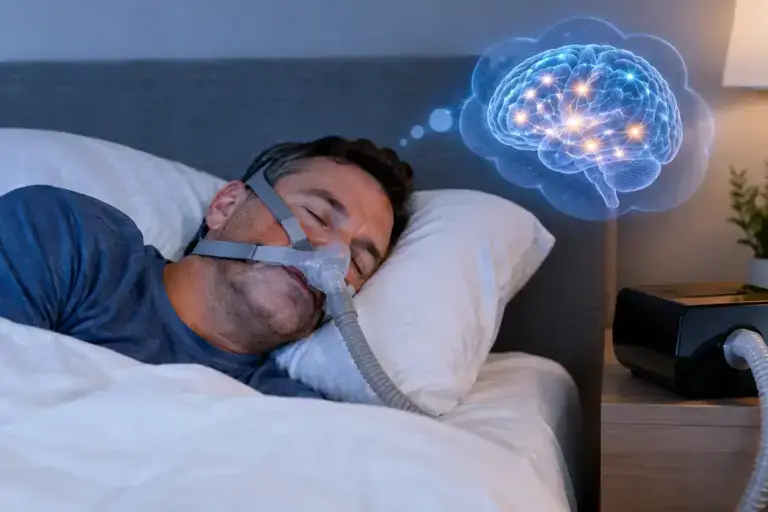
Sleep-supportive compounds also belong in this discussion, even if they are often treated as secondary. Deep, restorative sleep is when glymphatic clearance is believed to be most active. If sleep is fragmented, shortened, or shallow, the brain may lose valuable repair time. A supplement that supports calm, healthy sleep patterns may indirectly support neurological resilience far more than a daytime stimulant ever could.
Then there are compounds associated with circulation and vascular health. The brain depends on blood flow to deliver oxygen and nutrients and to help maintain tissue health. Poor vascular function can quietly undermine cognition long before a diagnosis appears. Support here can be useful, but it depends on the person, their medications, and the overall formulation.
The glymphatic connection most people are missing
This is where the conversation gets more urgent. The glymphatic system has changed how many serious brain-health advocates think about resilience. If the brain is constantly producing waste from normal metabolic activity, then clearance is not optional. It is basic maintenance.
When that maintenance slows down, the consequences may compound over years, not days. This is why a clearance-based approach resonates with so many families who feel failed by conventional models. If you only focus on neurotransmitters while the brain’s sink is backing up, you are not addressing the full picture.
That does not mean every product claiming glymphatic support is credible. It means the mechanism deserves attention. The better question is whether a formula is designed to support sleep quality, fluid movement, inflammatory balance, cellular housekeeping, and the broader conditions under which the brain can restore itself.
For people worried about cognitive decline, that is not a fringe concept. It is a practical one.
How to evaluate supplements for neurological resilience
Start with the formula philosophy. Is it built around a coherent mechanism, or is it just a stack of trendy ingredients? Serious brain support should have a reason for each component. If a product talks about resilience, it should be able to explain whether it is targeting inflammation, oxidative stress, sleep-dependent repair, mitochondrial function, circulation, or clearance pathways.
Next, look at dosage honesty. Many labels include impressive ingredients at dust-level amounts. A formula is only as good as the actual dose, the form of the ingredient, and the likelihood that it can be absorbed and used by the body.
Then consider your goal. Someone dealing with everyday brain fog has a different starting point than someone with a family history of Alzheimer’s, active neurological symptoms, poor sleep, and mounting concern about decline. The right supplement strategy depends on the level of urgency and the systems that seem most strained.
It also depends on tolerance. Some people do well with stimulating nootropic ingredients. Others feel worse. Some need sleep support first. Others need a broader maintenance formula they can stay on consistently. There is no single “best” supplement for every brain, and anyone claiming otherwise is oversimplifying a serious issue.
What supplements can and cannot do
This topic needs honesty. Supplements can support biology. They can help create better conditions for resilience. They may help the brain respond better to stress, sleep more deeply, maintain healthier inflammatory balance, and support long-term function.
But supplements are not magic, and they are not a substitute for medical care. They work best as part of a larger strategy that includes sleep, movement, blood sugar control, hydration, and evaluation of underlying health issues. If medications are involved, especially for blood pressure, mood, clotting, or neurological conditions, professional guidance matters.
That is not a weakness in the supplement category. It is reality. The brain is complex, and resilience is built through layers of support.
A more strategic way forward
The old model told people to wait until decline became measurable, then manage it. That model has left too many people scared, passive, and years behind the process. A better model asks how to support the brain while there is still time to protect function.
That is why the discussion around supplements for neurological resilience matters so much right now. It shifts the focus from damage control to biological support. It asks whether the brain is getting help with cleanup, repair, and defense before the warning signs become louder.
Brands like My Brain Restore have pushed this conversation forward by refusing to accept a symptom-only framework and by bringing glymphatic support into the mainstream brain-health discussion. That challenger mindset matters because neurological decline is too serious for recycled talking points and weak formulations.
If you are evaluating your options, think bigger than memory. Think maintenance. Think clearance. Think about whether your brain is being supported as a living system that needs nightly restoration, steady protection, and real help staying resilient under pressure.
Because hope is not a strategy by itself. But informed action, taken early and taken seriously, can be.
Similar Posts
Third Party Supplement Testing Review for Brain Health
A third party supplement testing review explains how to verify identity, purity, potency, and contaminants before choosing brain health formulas wisely.
A Complete Guide to Healthy Brain Maintenance
This complete guide to healthy brain maintenance explains sleep, movement, nourishment, stress, and brain clearance habits that protect cognitive resilience.
Sleep Apnea and Cognition During the Night
Sleep apnea and cognition are closely linked. Learn why disrupted breathing can cloud memory and focus, and what protects your brain each night.
Can Glymphatic Support Improve Memory?
Can glymphatic support improve memory? Learn how the brain’s waste-clearing system may affect recall, sleep, aging, and cognitive resilience.
What Is the Glymphatic System?
What is the glymphatic system? Learn how the brain’s waste-clearing pathway works, why sleep matters, and what can disrupt healthy brain cleanup.
Natural Brain Support for Family History Risks
Natural brain support for family history concerns starts with sleep, movement, and brain-clearance habits you can practice long before symptoms appear.