Neuroinflammation Research Future Trends to Watch
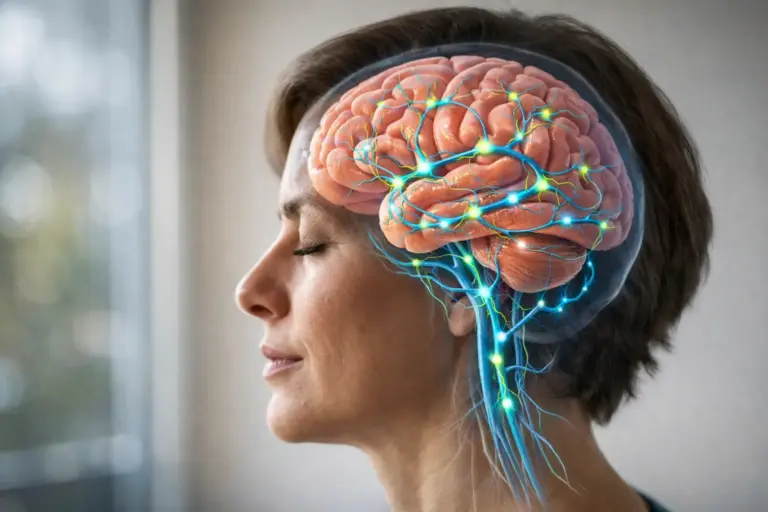
A brain can look structurally normal long before a family notices memory slips, slower movement, lost words, or a personality that no longer feels familiar. That gap is where neuroinflammation research future trends matter most. The next chapter of brain science is not simply about finding a stronger drug to suppress symptoms. It is about understanding why the brain’s immune response stays switched on, what keeps its cleanup systems from doing their work, and how to intervene before years of damage become impossible to ignore.
For too long, conventional neurology has often treated inflammation as background noise or a late consequence of disease. That view is changing. In Alzheimer’s disease, Parkinson’s disease, traumatic brain injury, stroke, multiple sclerosis, and even some forms of depression, immune activity may help shape the course of decline. The hard truth is that inflammation is not one thing, and neither is the future of treating it.
Why Brain Inflammation Is More Complicated Than “Too Much Inflammation”
Inflammation is a survival system. When the brain detects injury, infection, toxic proteins, or disrupted blood flow, resident immune cells called microglia respond. In the short term, that response can be protective. Microglia clear debris, coordinate repair, and help defend vulnerable neural tissue.
The danger comes when the alarm does not turn off. Chronically activated microglia can release inflammatory signals, alter synaptic connections, and contribute to a tissue environment that is hostile to healthy neurons. But simply shutting down immune activity is not a clean answer. Suppress the wrong pathway at the wrong time, and you may interfere with repair or raise other risks.
This is why the old, blunt-force approach is under pressure. Researchers are moving beyond the question, “How do we reduce inflammation?” A more useful question is, “Which immune process is active, in which person, at what stage of disease, and why?” That shift could separate meaningful progress from another generation of disappointing trials.
Neuroinflammation Research Future Trends: Precision Over Guesswork
The most consequential trend is precision neuroimmunology. Two people with the same diagnosis may not have the same biology. One may have a strong inflammatory signature driven by vascular dysfunction. Another may have impaired protein clearance, metabolic stress, a history of head injury, or changes in the gut-brain axis. Labeling them all with one disease name does not make them biologically identical.
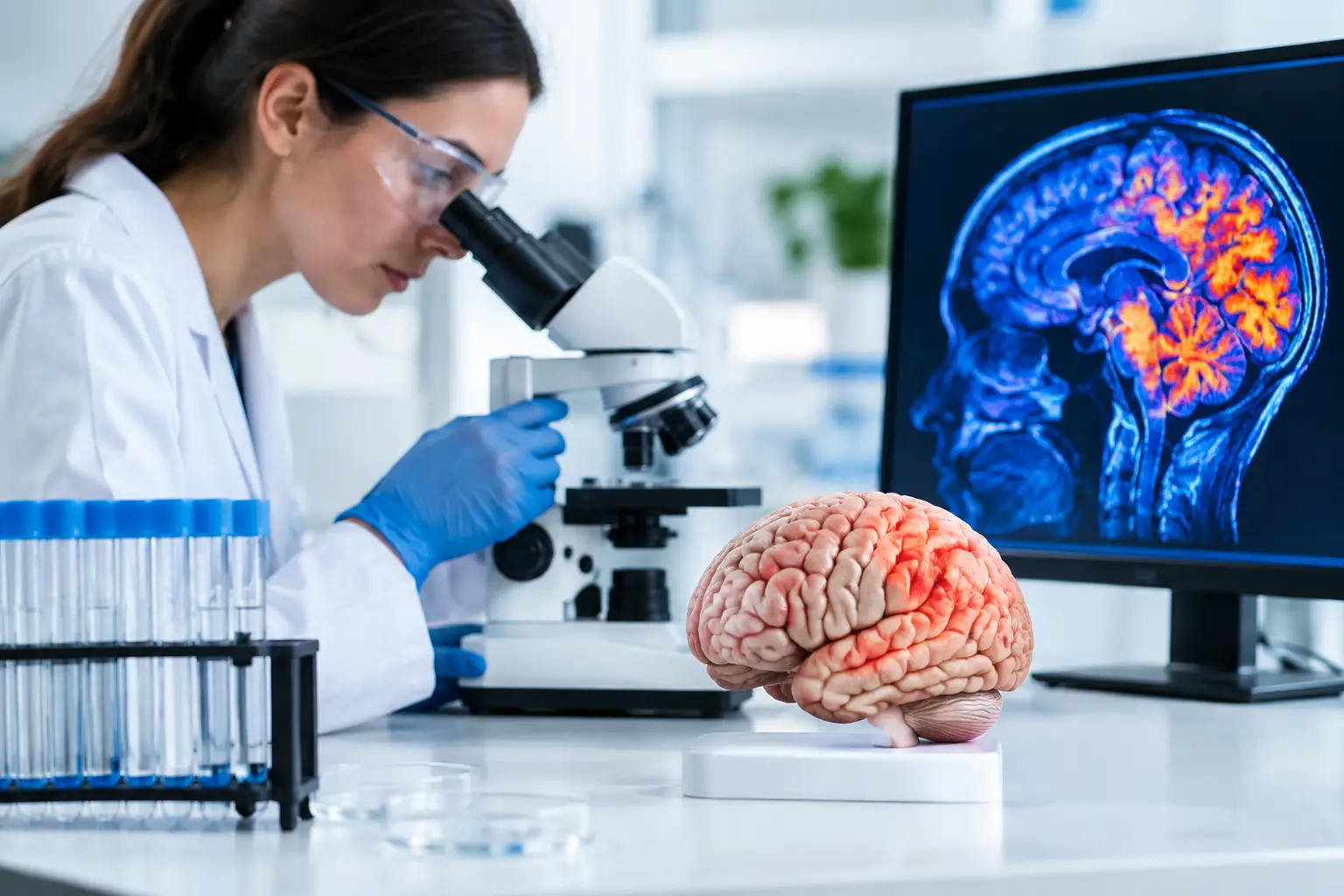
Researchers are increasingly looking for biomarkers that reveal these differences. Advanced brain imaging, blood-based markers, spinal fluid analysis, genetic profiles, and digital cognitive assessments may help identify who has an active inflammatory process and who is most likely to respond to a particular intervention.
That matters because many past studies may have failed partly because they enrolled broad groups of patients and treated them as if they had the same underlying problem. Future trials are likely to become narrower and smarter. Rather than asking whether one anti-inflammatory strategy works for everyone with Alzheimer’s, investigators may ask whether it helps people with a defined immune pattern at an early stage of disease.
There is a trade-off. Personalized medicine can be more accurate, but it can also be more expensive and slower to deliver. Still, for families watching a loved one decline, precision is far better than a one-size-fits-all gamble.
Microglia Will Remain at the Center of the Story
Microglia are no longer viewed as passive bystanders. They are increasingly understood as active decision-makers in the brain’s response to stress and injury. Future research will likely focus on helping microglia return to a balanced, protective state rather than trying to silence them completely.
This distinction is crucial. The goal is not an immune system that does nothing. The goal is an immune system that knows when to clean, repair, and stand down.
Scientists are also studying how microglia interact with astrocytes, neurons, blood vessels, and the brain’s border immune cells. These interactions may explain why inflammation can spread from a localized injury into a broader process of cognitive and functional decline. It may also reveal why some people recover after stress or injury while others develop persistent symptoms.
The Glymphatic System May Change the Conversation
One of the most compelling areas of brain research concerns the glymphatic system, the brain’s waste-clearance network. Think of it as the brain’s dishwasher. Cerebrospinal fluid moves through pathways around blood vessels, helping carry away metabolic waste and proteins that can accumulate over time.
Sleep appears to be especially important to this process. During deep sleep, brain fluid dynamics change in ways that may support waste clearance. Poor sleep, sleep apnea, chronic stress, aging, vascular problems, and repeated head impacts can all complicate this picture. None of this means that sleep alone prevents Alzheimer’s or Parkinson’s. It does mean that sleep and clearance can no longer be dismissed as secondary lifestyle topics.
The relationship between inflammation and clearance may prove especially important. Inflammation can affect blood vessels, fluid movement, and the cells that help regulate the brain’s internal environment. At the same time, poor clearance may leave inflammatory triggers and damaged proteins in place longer than they should be. That can become a vicious cycle: a clogged sink does not get cleaner because more water is poured into it.
At My Brain Restore™, this systems-level question is central: What supports the brain’s natural maintenance and clearance pathways before dysfunction becomes entrenched? The science is still developing, and responsible claims must stay within the evidence. Yet the direction of the research is clear enough to demand attention. Brain health is not only about adding something. It is also about what the brain can effectively clear.
The Blood-Brain Barrier Is Becoming a Major Target
The blood-brain barrier acts as a selective border between the bloodstream and the brain. When it functions well, it helps keep harmful substances and immune activity from entering sensitive neural tissue. When it becomes more permeable, inflammatory signals and cells may gain access to places they do not belong.
Future neuroinflammation research will increasingly examine this barrier as an early warning system and a possible treatment target. High blood pressure, diabetes, smoking, poor sleep, chronic stress, infections, and aging can all affect vascular health. That makes brain inflammation inseparable from whole-body health.
This may be uncomfortable for people hoping for a single answer in a pill, procedure, or headline-grabbing therapy. But it is also empowering. Supporting metabolic health, cardiovascular health, restorative sleep, physical activity, and recovery from stress may influence conditions that shape the brain’s inflammatory environment. These are not replacements for medical care. They are foundational terrain.
The Gut-Brain Connection Will Get More Specific
The gut-brain conversation has attracted plenty of hype, but future research should make it more rigorous. The question is no longer whether the gut and brain communicate. They do. The real question is which microbial patterns, metabolites, immune signals, dietary exposures, and intestinal barrier changes matter in specific neurological conditions.
Expect less talk about a universal “perfect microbiome” and more work on identifiable pathways. Some people may benefit from targeted dietary changes or microbiome-directed strategies; others may not. Context will matter, especially for people taking medications, living with autoimmune disease, or managing complex neurological symptoms.
Better Trials Must Measure Real Life, Not Just Lab Values
A major future trend will be better measurement. A promising therapy should not be celebrated merely because it changes one inflammatory marker. Families need to know whether it affects memory, independence, sleep, mood, gait, daily function, caregiver burden, or quality of life.
Researchers will also need longer studies. Neurodegeneration often develops across years, not weeks. A short trial can miss both gradual benefit and delayed harm. The most credible work will combine biological markers with outcomes that matter at the kitchen table: Can someone manage medications? Follow a conversation? Recognize loved ones? Remain safely independent?
This is where urgency must be matched with discipline. People facing cognitive decline deserve hope, but they also deserve science that does not overpromise.
What Families Can Do While the Science Advances
Waiting for perfect certainty is not a strategy. Neither is chasing every supplement, protocol, or social-media claim that promises a cure. The practical middle ground is to take brain risk seriously while respecting the limits of current evidence.
Start with the conditions that repeatedly show up in the research: sleep quality, untreated sleep apnea, blood pressure, blood sugar, movement, social connection, hearing loss, nutrition, medication review, alcohol exposure, smoking, and repeated head trauma. If cognitive or neurological changes are present, seek qualified medical evaluation rather than assuming they are normal aging.
Ask better questions at appointments. Is there evidence of vascular disease, sleep disruption, medication side effects, mood disorder, nutrient deficiency, infection, or another reversible contributor? Is a specialist referral warranted? What changes should trigger urgent follow-up? Clear questions can turn passive worry into informed action.
The future will not belong to one miracle molecule. It will belong to a fuller understanding of immunity, circulation, sleep, clearance, metabolism, and resilience working together. Protect the conditions that allow your brain to maintain itself now, because the most powerful window for action is often before decline becomes the family’s daily reality.
Similar Posts
Preventive Brain Formula Review for Brain Health
Our preventive brain formula review examines glymphatic support, ingredients, expectations, safety, and the habits that protect long-term cognitive health.
What Is the Glymphatic System?
What is the glymphatic system? Learn how the brain’s waste-clearing pathway works, why sleep matters, and what can disrupt healthy brain cleanup.
Third Party Supplement Testing Review for Brain Health
A third party supplement testing review explains how to verify identity, purity, potency, and contaminants before choosing brain health formulas wisely.
An Alternative to Memory Loss Drugs: What Helps?
Looking for an alternative to memory loss drugs? Learn where medicine helps, what lifestyle can change, and how to protect brain health safely over time.
Best Supplements for Neurological Wellness Support
Learn how the best supplements for neurological wellness support can complement sleep, movement, and glymphatic clearance for lasting brain resilience.
Cognitive Lifestyle Factors That Protect Your Brain
Cognitive lifestyle factors influence sleep, brain clearance, stress, and resilience. Learn the choices that can help protect long-term brain function.