Personalized Brain Health Trends That Matter
The most consequential personalized brain health trends are not about taking a quiz, receiving a generic score, and buying another pill. They are about asking a harder question: what is preventing your brain from maintaining itself as the years pass? For families watching memory change, movement slow, or mental clarity fade, that question is not academic. It is personal.
For decades, brain health has been approached as though every brain needed the same thing: more stimulation, a crossword puzzle, a multivitamin, perhaps a medication once symptoms became serious enough. That model is changing. The emerging view is more demanding and more hopeful. Brain resilience is shaped by your sleep, circulation, metabolic health, inflammation burden, toxin exposure, stress load, genetics, daily routines, and the brain’s ability to clear metabolic waste.
That last mechanism deserves far more attention than it receives.
Personalized Brain Health Trends Are Moving Beyond Generic Advice
The old wellness model gave everyone the same checklist. Eat better. Exercise more. Sleep eight hours. These are worthwhile foundations, but they are not a personalized strategy. Two people can follow the same routine and have very different risks, symptoms, medication exposures, sleep patterns, and biological vulnerabilities.
Personalization means identifying the pressures most relevant to the individual. A retired teacher with fragmented sleep, insulin resistance, and a family history of Alzheimer’s may need a very different plan than a 38-year-old gamer dealing with irregular sleep, intense screen exposure, and cognitive fatigue. Neither person benefits from being told to simply “support brain health.”
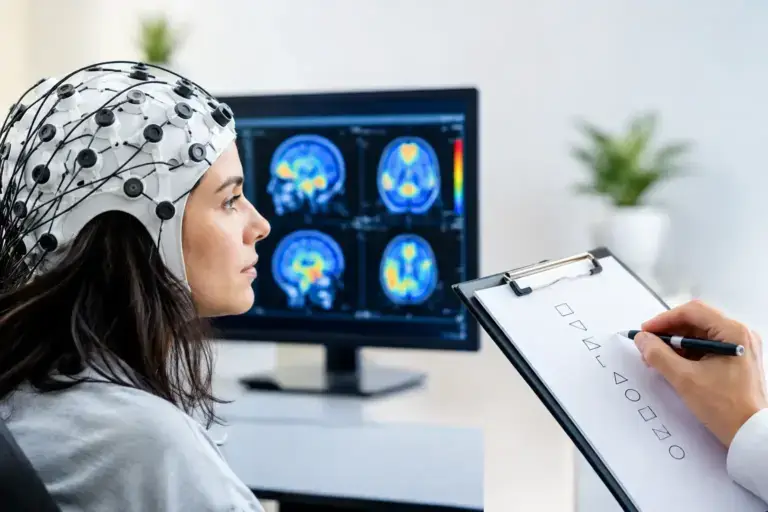
The meaningful trend is toward patterns, not promises. People are tracking sleep quality, glucose response, exercise recovery, attention, mood, and cognitive changes over time. Some work with clinicians to assess vascular risk, nutrient status, hormones, hearing, and medication effects. The goal is not to obsess over data. It is to find the bottlenecks that make the brain work harder than it should.
The brain is not a static machine
Your brain is continuously using energy, repairing tissue, regulating immune activity, and handling the byproducts of normal metabolism. It does not wait for a diagnosis to begin needing support. By the time significant cognitive symptoms are visible, the underlying strain may have been building for years.
This is why prevention is becoming more personal. It is also why a one-size-fits-all approach can feel so frustrating to people who are doing “everything right” but still do not feel sharp, steady, or fully themselves.
The Glymphatic System Is Entering the Conversation
One of the most important shifts in brain-health education is increased attention to the glymphatic system, often described as the brain’s dishwasher. During quality sleep, particularly deep sleep, fluid movement around the brain helps move metabolic waste through clearance pathways. Research in this area has transformed how many scientists think about the relationship between sleep and long-term neurological health.
The analogy is simple. If your kitchen sink is clogged, adding a better sponge does not solve the real problem. You have to restore the flow. The same principle applies to a brain burdened by poor sleep, chronic inflammation, metabolic dysfunction, dehydration, inactivity, or ongoing stress. Supporting performance is useful. Supporting the systems responsible for maintenance and clearance may be foundational.
This does not mean the science is finished or that one intervention can “clean out” the brain. Glymphatic research is still developing, and human biology is never as simple as a social-media headline. But the direction is clear: sleep and brain clearance are no longer side topics. They are central to the brain-maintenance conversation.
For people concerned about Alzheimer’s, Parkinson’s, dementia, brain fog, or neurological decline, that changes the questions worth asking. Not just, “What can I take for memory?” but, “What is interfering with my brain’s nightly maintenance work?”
Sleep Is Becoming a Brain Health Metric, Not a Luxury
Personalized plans are increasingly built around sleep quality rather than time in bed alone. Eight hours with repeated awakenings, sleep apnea, alcohol-related disruption, restless legs, or late-night blue-light exposure may not provide the same restorative value as fewer hours of consolidated, deep sleep.
That matters because sleep disruption is not merely exhausting. It can affect attention, mood, appetite regulation, blood sugar, inflammation, and the brain’s overnight housekeeping. A wearable can offer clues, but it cannot diagnose a sleep disorder. If loud snoring, gasping, daytime sleepiness, or unexplained cognitive changes are present, medical evaluation matters.
The practical work is often unglamorous: a consistent wake time, morning light, less alcohol, a cooler dark room, movement during the day, and a serious look at medications or conditions that interfere with sleep. Personalization means identifying which of these is actually disrupting your nights instead of copying someone else’s evening routine.
Metabolic and Vascular Health Are Brain Health
Another major trend is the end of treating the brain as separate from the body. The brain relies on steady blood flow, oxygen delivery, energy regulation, and healthy blood vessels. High blood pressure, diabetes, insulin resistance, smoking, sedentary behavior, and untreated sleep apnea can all place pressure on neurological function.
This is not a message of blame. It is a message of agency. Many risk factors can be measured, discussed with a qualified clinician, and improved over time. A personalized approach may include monitoring blood pressure at home, improving protein and fiber intake, building strength, walking after meals, or addressing blood sugar swings that contribute to energy crashes and mental fog.
The right approach depends on the person. Someone with Parkinson’s concerns, for example, may need a plan built around safe mobility, constipation support, sleep, and medication timing. Someone with a strong dementia family history may focus on hearing, cardiovascular risk, social connection, cognitive engagement, and sleep long before they notice a problem.
Supplements Are Being Judged by Mechanism, Not Hype
Consumers are becoming more sophisticated, and they should be. The relevant question is not whether a supplement has an impressive label. It is whether its ingredients, doses, quality standards, and intended mechanism make sense for the person’s goals.
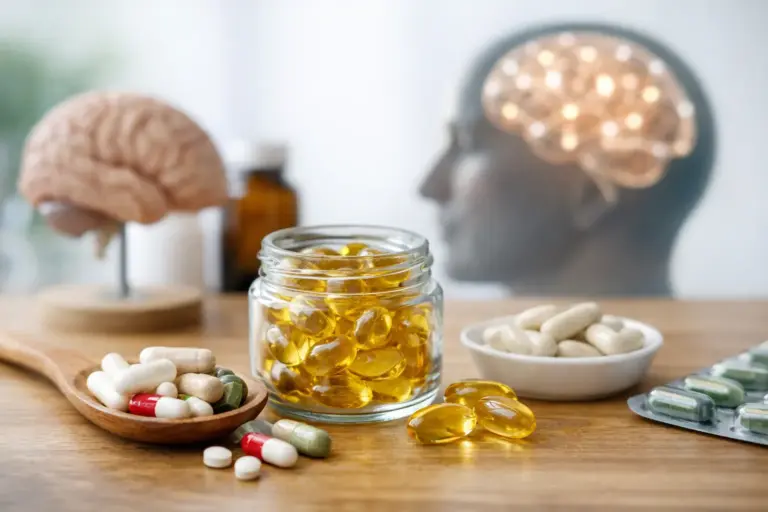
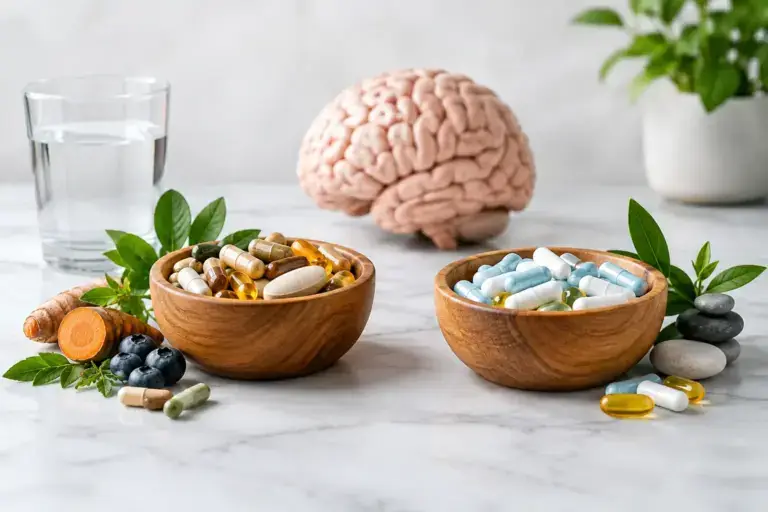
A formula designed around neurological maintenance and glymphatic support is a different proposition from a stimulant-heavy “nootropic” built to create a short-term feeling of energy. One may be intended to support the conditions for long-term resilience; the other may simply make fatigue easier to ignore. Those are not interchangeable goals.
This is where discernment matters. Natural compounds can be meaningful tools, but they are not replacements for diagnosis, sleep, movement, nutrition, or medical care. They can also interact with medications and may not be appropriate for every condition. People managing neurological disease, taking blood thinners, or using multiple prescriptions should involve their clinician or pharmacist before adding a new product.
My Brain Restore approaches this category through a systems-level lens: supporting the brain’s natural maintenance and clearance pathways rather than treating brain health as a quick-fix energy problem. That distinction matters for people looking beyond the usual symptom-management narrative.
The Most Powerful Trend Is Earlier Action
The real shift is not a device, a lab panel, or a trendy ingredient. It is the refusal to wait passively for neurological decline to become undeniable. Families are learning to recognize subtle changes earlier, ask better questions, and build habits around the biology of brain maintenance.
Personalization should never become panic or perfectionism. You do not need to track every heartbeat or fear every forgotten name. You do need an honest view of your own risk factors, your daily patterns, and the signals your body has been sending.
Start where the strain is greatest. If sleep is broken, protect sleep. If blood pressure is climbing, address it. If movement has disappeared, reclaim it. If you are using supplements, choose them with a clear purpose rather than desperation. The brain is not asking for a miracle. It is asking for the conditions to keep doing its extraordinary work.
Similar Posts
Cognitive Lifestyle Factors That Protect Your Brain
Cognitive lifestyle factors influence sleep, brain clearance, stress, and resilience. Learn the choices that can help protect long-term brain function.
Brain Imaging Versus Cognitive Tests: What They Show
Brain imaging versus cognitive tests can reveal different parts of brain health. Learn what each measures, where they fall short, and when both matter.
Supplements for Cognitive Decline: What Helps?
Supplements for cognitive decline may support memory, focus, and brain resilience. Learn what matters most and how to choose wisely.
What Clinical Research on Glymphatic Support Shows
Clinical research on glymphatic support reveals what sleep, circulation, and brain imaging can tell us – and where supplement claims still need proof.
Natural Options for Parkinson’s Families That Matter
Natural options for Parkinson’s families include sleep, movement, food, stress relief, and informed supplement choices that support daily resilience today.
Nutraceuticals Versus Nootropics: What Matters?
Nutraceuticals versus nootropics: understand brain-support supplements, glymphatic clearance, evidence, safety, and how to choose a smarter path today.