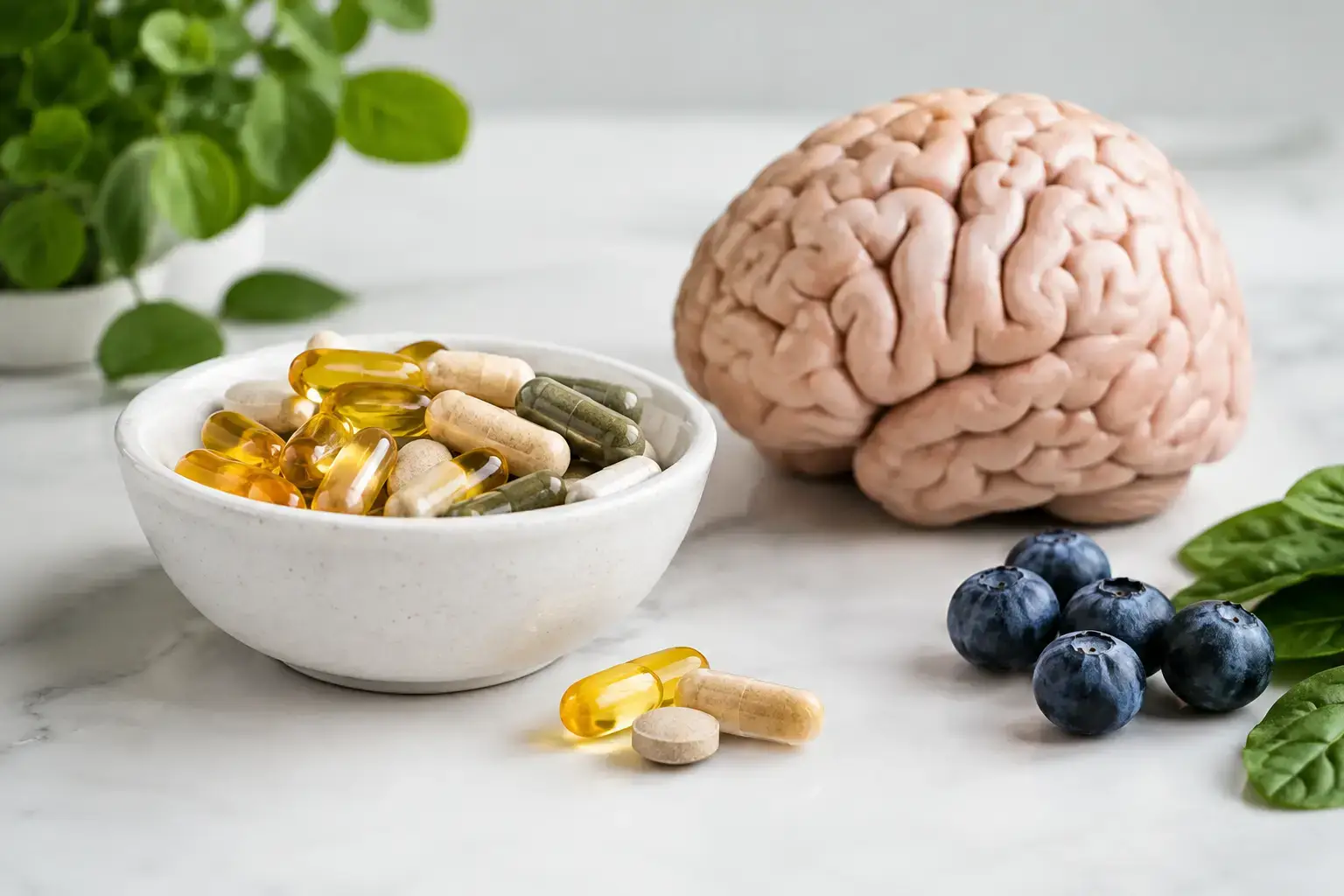
Neuroprotective Supplement Trends Worth Watching
The brain does not get a day off. Every thought, movement, memory, and emotion produces metabolic activity. Over time, the brain must manage the byproducts of that activity while protecting delicate neurons from inflammation, oxidative stress, disrupted sleep, and the accumulated strain of modern life. That is why neuroprotective supplement trends matter – not as another wellness fad, but as a sign that more people are looking beyond temporary stimulation and toward the conditions that help the brain maintain itself.
For families concerned about memory loss, Parkinson’s disease, Alzheimer’s disease, dementia, or unexplained cognitive changes, this conversation is personal. The goal is not to promise a miracle in a capsule. The goal is to understand which emerging approaches address meaningful biological systems, where the evidence is still developing, and how to make smarter choices before decline feels inevitable.
Neuroprotective Supplement Trends Are Moving Beyond “Brain Boosters”
For years, the supplement category was dominated by quick-fix language: focus, energy, mood, mental sharpness. Those outcomes can matter, but they are not the same as neuroprotection. A stimulant may make a tired brain feel more alert while doing little to address why that brain is struggling in the first place.
The more meaningful shift is toward whole-system brain maintenance. Consumers are asking harder questions: Does this formula support sleep? Does it help manage inflammatory pressure? Does it address oxidative stress? Does it support circulation, mitochondrial function, or the brain’s natural clearance processes? These questions reflect a deeper understanding that neurological resilience is built through maintenance, not just momentary performance.
This distinction matters most for adults who have watched a parent lose independence or who are beginning to notice changes themselves. A brain-health strategy should not be built around chasing a feeling. It should be built around supporting the biological environment neurons need to function and survive.
The Glymphatic System Is Changing the Conversation
One of the most consequential developments in brain-health education is growing interest in the glymphatic system – often described as the brain’s dishwasher. This network helps move fluid through brain tissue and supports the clearance of metabolic waste, particularly during deep sleep.
Think of a kitchen sink with a slow drain. You can keep washing dishes, but if the drain is clogged, residue accumulates. The brain also depends on effective movement and clearance. When sleep is fragmented, inflammation is elevated, hydration is poor, or the body’s recovery systems are under chronic strain, the conditions for cleanup may be compromised.
This does not mean any supplement can “clean out” the brain or treat a neurodegenerative disease. Those would be irresponsible claims. It does mean that formulas designed around circulation, sleep quality, antioxidant defense, inflammation balance, and traditional botanicals are receiving greater attention because they may support systems connected to brain maintenance.
That systems-level perspective is the difference between merely adding another nootropic and asking a more urgent question: What helps the brain keep its internal environment from becoming overwhelmed?
Sleep Support Is Becoming a Core Brain Strategy
Sleep has moved from a general wellness recommendation to a central topic in neuroprotective supplement trends. During quality sleep, especially slow-wave sleep, the brain appears to be better positioned for restoration and waste clearance. Poor sleep is not just an inconvenience. It can leave people foggy, reactive, forgetful, and less able to manage stress the next day.
The supplement market is responding with ingredients intended to support calm, relaxation, and sleep continuity. But this trend requires judgment. A product that simply sedates someone is not necessarily supporting restorative sleep architecture. Likewise, taking a long list of sleep aids without considering medications, breathing issues, alcohol use, or underlying anxiety can create more problems than it solves.
The better approach is to view sleep support as part of a larger routine. A consistent sleep schedule, light exposure in the morning, reduced evening alcohol, management of sleep apnea, and thoughtful nutrition all belong in the conversation. A well-designed supplement may have a place, but it should complement the fundamentals rather than excuse their absence.
Inflammation and Oxidative Stress Remain Major Targets
Another lasting trend is the focus on neuroinflammation and oxidative stress. The brain has high energy demands and substantial exposure to oxidative activity. When protective systems are overwhelmed, cellular structures can become more vulnerable.
This is why botanical compounds and nutrients with antioxidant and inflammation-modulating properties remain relevant. Yet “antioxidant” has become a marketing label broad enough to hide weak formulations. The question is not whether an ingredient sounds familiar. The question is whether it is present in a meaningful form, at a rational dose, and within a formula designed for a specific purpose.
Traditional botanical knowledge is also being reexamined through a modern scientific lens. That is a productive direction when it is handled honestly. Ancient use can provide a reason to investigate an ingredient. It is not, by itself, proof that the ingredient prevents Alzheimer’s, reverses Parkinson’s, or replaces medical care.
People deserve both hope and precision. The strongest brands do not force consumers to choose between them.
Combination Formulas Are Replacing Single-Ingredient Thinking
Single ingredients are easy to market because the story is simple. One compound, one promised benefit. But the brain does not operate through one pathway. It relies on sleep, vascular health, energy metabolism, immune signaling, nutrient status, stress regulation, and effective clearance.
That reality is driving interest in combination formulas built around complementary mechanisms. A thoughtful formula may pair ingredients selected to support antioxidant defenses, a healthy inflammatory response, circulation, and nighttime recovery. The potential advantage is synergy. The risk is complexity.
More ingredients do not automatically mean a better product. In fact, a crowded label can make it difficult to understand what is doing what, increase the chance of interactions, and hide underdosed ingredients behind a proprietary blend. Consumers should favor transparency: clearly stated amounts, a clear rationale for the formula, and warnings about who should speak with a clinician first.
This is especially important for people taking blood thinners, diabetes medications, antidepressants, seizure medications, or multiple prescriptions. Natural does not mean consequence-free. A qualified healthcare professional can help identify interactions and ensure that brain-support efforts fit the full health picture.
The Most Promising Trend Is Personal Agency
The supplement aisle cannot carry the entire burden of brain health. No formula can compensate for untreated sleep apnea, uncontrolled blood pressure, social isolation, a sedentary lifestyle, repeated head trauma, or a medication regimen that needs review. But supplements can become part of a more intentional plan.
That is where the category is headed. People are no longer satisfied with being told to wait for symptoms to worsen or to accept cognitive decline as the unavoidable price of aging. They want practical ways to participate in protecting their future selves.
At My Brain Restore™, the focus is on a brain-maintenance model that puts glymphatic support and the brain’s natural cleanup pathways at the center of the conversation. It is a needed challenge to the old model of treating the brain only after a crisis has become obvious.
The smartest next step is not buying the loudest product or chasing every new ingredient. It is building a disciplined brain-health routine, asking better questions, and choosing support that respects both the complexity of the brain and the urgency of protecting it.
Similar Posts
A Guide to Brain Aging Prevention That Starts Now
Our guide to brain aging prevention explains sleep, movement, metabolic health, and brain clearance habits that support resilience as you age each day.
How to Discuss Supplements With a Neurologist
Learn how to discuss supplements with neurologist visits clearly, safely, and confidently – from medication risks to questions about brain health goals.
Brain Imaging Versus Cognitive Tests: What They Show
Brain imaging versus cognitive tests can reveal different parts of brain health. Learn what each measures, where they fall short, and when both matter.
How to Build a Brain Protection Routine That Lasts
Learn how to build a brain protection routine around sleep, movement, nutrition, risk checks, and daily habits that support long-term cognitive resilience.
Your Guide to Cognitive Supplement Labels
Use this guide to cognitive supplement labels to spot transparent formulas, assess dosing, and protect your brain-support decisions with daily confidence.
Best Supplements for Neurological Wellness Support
Learn how the best supplements for neurological wellness support can complement sleep, movement, and glymphatic clearance for lasting brain resilience.