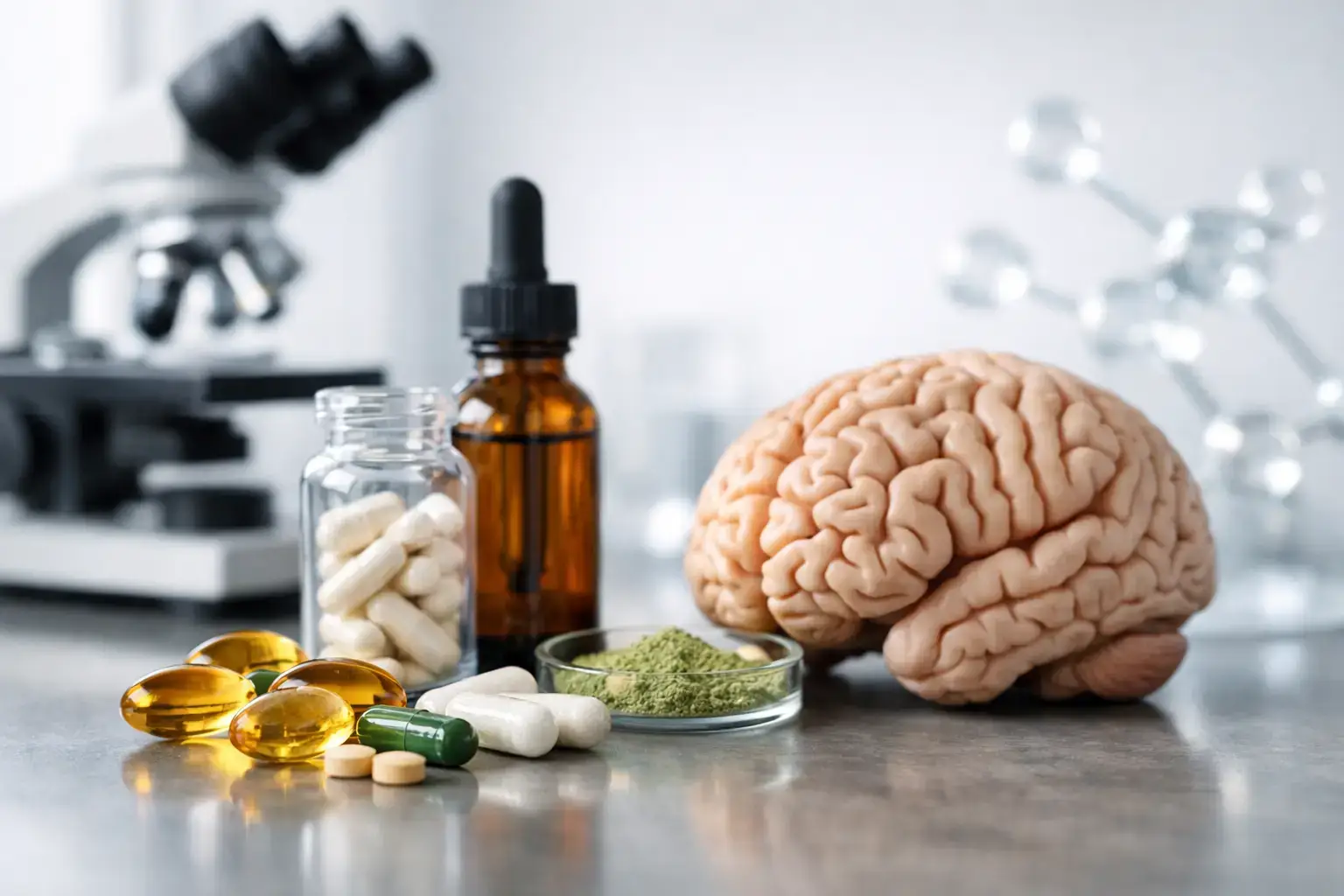
Science-Backed Nootropics for Memory
Memory problems rarely begin with one dramatic moment. More often, they show up as small betrayals – a missed name, a forgotten appointment, a sentence that disappears halfway through. That is why interest in science backed nootropics for memory has grown so quickly among adults who want more than caffeine, more than guesswork, and more than another promise that falls apart under scrutiny.
The hard truth is that memory support is not a one-ingredient game. The brain is not a light switch. It is a living system that depends on circulation, sleep, inflammation control, mitochondrial energy, synaptic signaling, and waste clearance. When people only chase a quick mental boost, they often miss the deeper issue. If the brain’s housekeeping systems are strained – think of a clogged sink instead of a clean drain – memory can suffer even before a formal diagnosis enters the picture.
That is where a more serious conversation begins.
What science backed nootropics for memory actually means
A nootropic is any compound used to support cognitive performance, but the phrase gets abused constantly. Real science backed nootropics for memory are not simply trendy ingredients with flashy labels. They are compounds with at least some human evidence, plausible mechanisms, and a safety profile worth respecting.
Even then, evidence exists on a spectrum. Some ingredients have multiple human trials showing meaningful support for memory, attention, or age-related cognitive performance. Others look promising in animal or lab research but are still early. That distinction matters, especially for older adults, caregivers, and anyone worried about Alzheimer’s, Parkinson’s, or long-term cognitive decline.
The goal should not be to “stimulate” the brain into overdrive. The better goal is to support the conditions under which memory works: healthy neurotransmission, stress resilience, blood flow, cellular energy, sleep quality, and the brain’s natural maintenance pathways.
The ingredients with the strongest case
Citicoline
Citicoline has one of the more credible resumes in the memory-support world. It provides building blocks for phosphatidylcholine, an important component of brain cell membranes, and supports acetylcholine production, a neurotransmitter closely tied to learning and memory. Some human research suggests benefits for attention, mental energy, and memory performance, particularly in aging populations.
What makes citicoline compelling is that it is not just about short-term alertness. It may support membrane repair and broader brain function over time. For people noticing age-related mental slowing, that matters. It is not magic, but it is one of the cleaner examples of a nootropic that has both mechanism and human data behind it.
Bacopa monnieri
Bacopa is not for people chasing an instant jolt. This traditional botanical tends to work gradually, often over weeks rather than hours. That slow build is exactly why it deserves respect. Several clinical studies have linked standardized bacopa extracts with improvements in memory formation, recall, and information processing.
Its effects may relate to antioxidant activity, stress modulation, and support for signaling pathways involved in learning. The trade-off is patience. Bacopa is better thought of as a long-game ingredient. Some users also experience digestive upset, so quality, dose, and tolerance matter.
Lion’s mane mushroom
Lion’s mane has captured attention for good reason. It is associated with compounds that may support nerve growth factor activity and neuroplasticity. Early human studies suggest potential benefits for cognitive function, especially in older adults, though the evidence is still developing compared with more established ingredients like citicoline or bacopa.
This is where honesty matters. Lion’s mane is promising, but not all products are created equal, and not every formula uses the same parts of the mushroom or the same extraction methods. For memory support, it belongs in the “worth watching closely and using carefully” category rather than the “case closed” category.
Phosphatidylserine
Phosphatidylserine is a phospholipid found in brain cell membranes, and it has been studied for memory, attention, and cognitive aging. Some evidence suggests it may help support memory performance in older adults and those dealing with age-related decline.
Its appeal is straightforward: healthy brain cells need healthy membranes. If membrane integrity weakens, signaling can suffer. Phosphatidylserine is not as flashy as stimulant-heavy products, but for a serious audience concerned about maintaining function, it deserves a seat at the table.
Omega-3s, especially DHA
Some people do not think of DHA as a nootropic, but they should. The brain is rich in DHA, and low omega-3 status has been associated with poorer cognitive aging in many discussions of brain health. The research on supplementation is mixed because outcomes depend on baseline deficiency, age, diet, dose, and health status. Still, from a systems perspective, DHA supports membrane fluidity and overall neuronal function.
That means omega-3s may be less about feeling different tomorrow and more about giving the brain the structural support it needs over time. For memory, that distinction is crucial.
The ingredients people overestimate
Ginkgo biloba
Ginkgo has long been marketed for memory, largely because of its effects on circulation and antioxidant activity. Some studies suggest modest benefit, especially in certain older populations, while others show limited or inconsistent results. It is not useless. It is just not the miracle many labels imply.
It also comes with cautions, particularly for people on blood thinners or with bleeding risk. This is exactly why evidence and context must travel together.
Caffeine and stimulant blends
Caffeine can improve alertness, reaction time, and perceived focus. That does not automatically translate into better memory. In some people, especially those already anxious, underslept, or overstimulated, too much caffeine can actually impair encoding and recall.
A sharper feeling is not always a smarter brain state. This is one of the biggest mistakes in the nootropics market. People confuse stimulation with memory support, then wonder why they still feel mentally fragile.
Why memory support must go beyond neurotransmitters
Here is the bigger issue: memory is not just a neurotransmitter problem. It is a brain-environment problem. Chronic inflammation, poor sleep, metabolic dysfunction, vascular compromise, and impaired waste clearance can all push cognition in the wrong direction.
This is where the conversation becomes more urgent for older adults and families worried about neurodegeneration. The brain must not only communicate well. It must also clean itself well. During deep sleep, the glymphatic system helps move waste products out of the brain – almost like a dishwasher cycle running overnight. If that process is compromised, the brain may be forced to function in a dirtier internal environment.
That does not mean a nootropic can “fix” disease. It does mean memory support should be viewed through a wider lens. A formula that ignores sleep, inflammation, circulation, and the brain’s clearance pathways may be chasing symptoms while neglecting the terrain underneath them.
That systems-level view is one reason brands like My Brain Restore have pushed a different conversation into the market. Instead of asking only how to stimulate cognition, the better question is how to support a brain that is struggling to maintain itself.
How to judge a memory nootropic without getting fooled
Start with standardization. If an herb is included, the extract should be identified clearly, not hidden behind vague proprietary language. Then look at dose. An ingredient is not evidence-based if it is included at a sprinkle level far below what has been studied.
Next, ask whether the formula respects the real biology of memory. Does it support cell membranes, stress resilience, sleep architecture, circulation, or brain maintenance pathways? Or is it just trying to make you feel wired? Those are very different products.
Finally, consider your actual goal. If you want acute focus for a work sprint, your choices may differ from someone worried about age-related forgetfulness or family history of dementia. Memory support is not one-size-fits-all. A 32-year-old gamer, a 58-year-old caregiver under chronic stress, and a 71-year-old adult concerned about decline should not shop from the same mental checklist.
The trade-offs nobody should ignore
Even the best nootropics have limits. Bacopa may take time. Citicoline may feel subtle rather than dramatic. Phosphatidylserine can be expensive. Ginkgo can interact with medications. Lion’s mane quality varies wildly.
And if sleep is poor, blood sugar is unstable, alcohol intake is high, or underlying neurological disease is progressing, supplements may offer support without producing a dramatic turnaround. That is not failure. That is biology. The most honest approach combines targeted ingredients with sleep protection, metabolic health, movement, stress reduction, and appropriate medical evaluation.
People facing real cognitive fear deserve that honesty. They do not need one more miracle headline. They need a strategy.
A smarter standard for science backed nootropics for memory
The strongest science backed nootropics for memory are the ones that respect complexity. They do not pretend memory lives in one receptor or one capsule. They support the structure, signaling, energy, and maintenance of the brain while acknowledging that long-term cognitive resilience is built, not borrowed.
If you are worried about memory, let that concern push you toward better questions, not louder marketing. Ask what supports the brain’s ability to communicate, recover, and clean house. Ask what has human evidence. Ask what fits your age, medications, symptoms, and risk profile.
Memory is personal. Protecting it should be, too.
Similar Posts
A Complete Guide to Healthy Brain Maintenance
This complete guide to healthy brain maintenance explains sleep, movement, nourishment, stress, and brain clearance habits that protect cognitive resilience.
Brain Wellness Supplements vs Prescription Drugs
Compare brain wellness supplements vs prescription drugs, including benefits, limits, safety, and how glymphatic support may fit into brain care today.
Do Brain Waste Clearance Supplements Work?
Do brain waste clearance supplements work? Learn how glymphatic support, sleep, and key nutrients may help the brain’s cleanup system function.
Top Habits for Healthy Brain Aging That Matter
Learn the top habits for healthy brain aging, from restorative sleep and movement to connection, nourishment, and protecting the brain’s cleanup system.
10 Caregiver Tips for Memory Loss That Help
Caregiver tips for memory loss that reduce stress, support dignity, and create safer daily routines for families facing cognitive decline.
7 Best Herbs for Memory Retention, Explained
Learn which herbs may support memory retention, what research says, and why sleep and brain clearance still set the foundation for daily cognitive health.