7 Best Herbs for Memory Retention, Explained
Memory loss rarely begins with one dramatic moment. It often starts with the name that will not come, the appointment you nearly miss, or the uneasy realization that your mind feels less sharp than it used to. Searching for the best herbs for memory retention is a reasonable response, but it demands more than a list of trendy plants. The real question is which botanicals have meaningful human evidence, what they may support, and what they cannot do on their own.
Herbs can be valuable allies in a broader brain-health strategy. They may help support attention, circulation, stress resilience, or the cellular defenses involved in healthy aging. But no herb can substitute for restorative sleep, movement, nutrition, medical evaluation, or the brain’s own overnight maintenance system: the glymphatic pathway that helps clear metabolic waste while we sleep.
What Memory Support Really Requires
Memory is not a single switch that can be turned on with a capsule. It depends on attention at the moment information enters the brain, healthy blood flow, stable energy regulation, low chronic inflammation, sleep quality, and the ability to clear waste products that accumulate through normal brain activity.
That last piece deserves more attention than it gets. Think of the brain as a city that works hard all day. It produces waste as it processes information, makes decisions, and manages the body. During deep sleep, specialized fluid pathways help wash away some of that waste. When sleep is fragmented night after night, it is like leaving dirty dishes stacked in the sink while expecting the kitchen to stay clean.
This is why the best approach is never simply, “Take an herb and wait.” A botanical formula may support a specific pathway, but the foundation still matters. If a new or worsening memory problem is affecting work, driving, finances, safety, or daily independence, speak with a qualified clinician promptly. Nutritional support should not delay evaluation for medication effects, thyroid conditions, sleep apnea, vitamin deficiencies, depression, or neurological disease.
The Best Herbs for Memory Retention: What the Evidence Suggests
1. Bacopa monnieri
Bacopa has a long history in Ayurvedic practice and is one of the more studied herbs for memory-related outcomes. Human trials have examined standardized bacopa extracts for recall, learning speed, and information processing, often over eight to twelve weeks rather than after a single dose.
Its possible value is gradual support for memory formation and recall. Bacopa is not a stimulant, so it is unlikely to feel like a jolt of caffeine. Some people experience digestive discomfort, nausea, or fatigue, especially at higher amounts. It may also interact with medications, including certain thyroid treatments, so professional guidance matters.
2. Ginkgo biloba
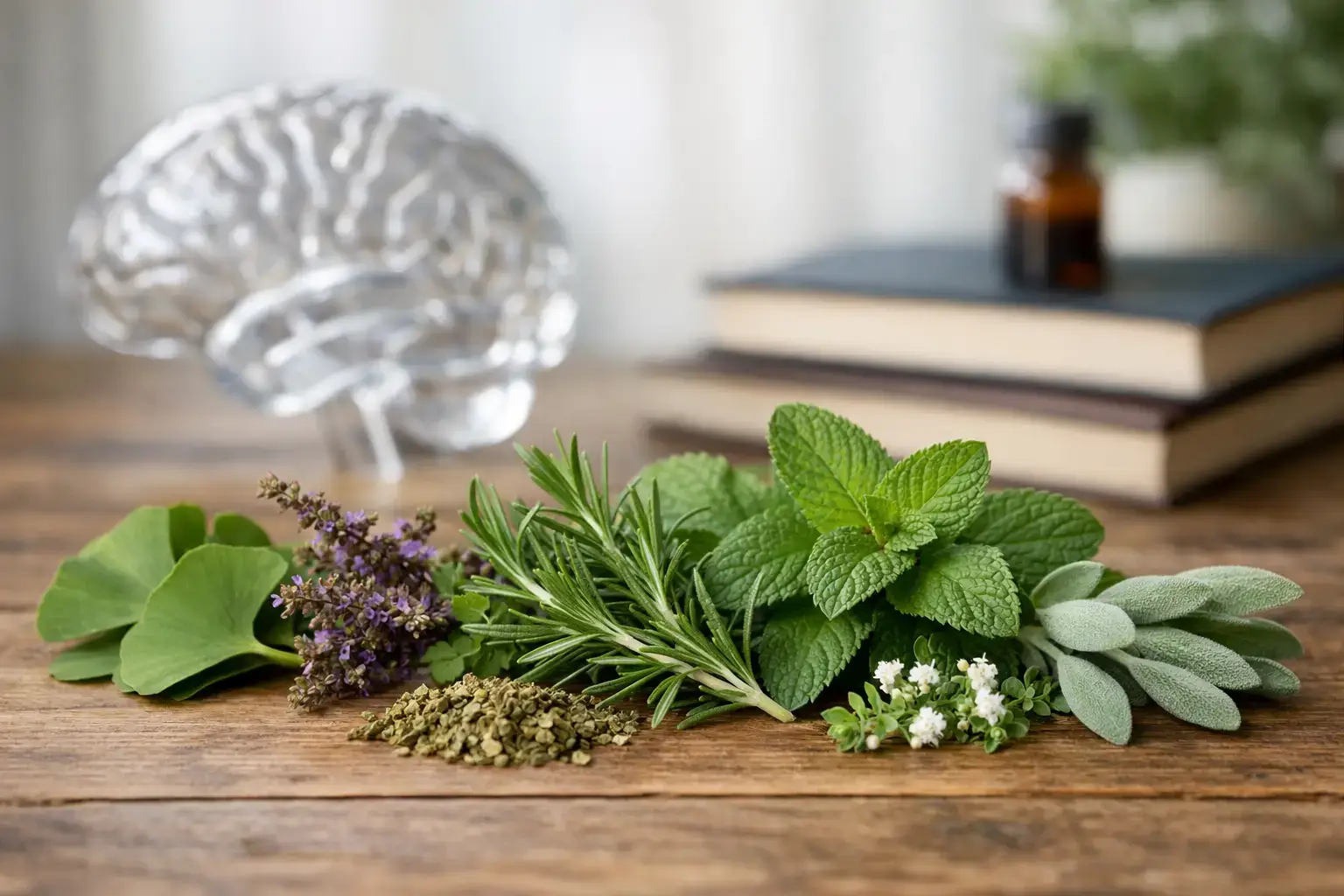
Ginkgo is widely known for its potential role in supporting circulation and antioxidant defenses. Because the brain is exceptionally energy-hungry, healthy blood flow matters. Research on ginkgo and cognition is mixed: some studies suggest benefits in specific populations or standardized preparations, while others show limited effects.
That does not make ginkgo useless. It means claims should stay honest. It may be a consideration for people seeking broad circulatory support, but it is not a proven cure for dementia or Alzheimer’s disease. Ginkgo can increase bleeding risk, particularly when used with anticoagulants, antiplatelet drugs, aspirin, or before surgery. This is one herb that should never be added casually.
3. Lion’s mane mushroom
Lion’s mane is technically a mushroom, not an herb, but it belongs in this conversation because it has become a major focus in cognitive wellness. Compounds in lion’s mane are being studied for their influence on nerve growth factor-related pathways and nervous-system support.
Early human research is promising but still limited. Some adults report improved mental clarity or focus, while the strongest claims circulating online run ahead of the evidence. Look for products that identify the mushroom material used and avoid treating lion’s mane as a replacement for medical care. Anyone with mushroom allergies should avoid it.
4. Sage
Sage is more than a culinary herb. Small human studies have explored certain sage extracts for attention, mood, and memory performance. Its aromatic compounds may influence cholinergic activity, one of the signaling systems involved in learning and recall.
The practical advantage of sage is that it can be used in food as well as in carefully formulated supplements. The caution is concentration. Culinary use is generally different from using potent essential oils or high-dose extracts. Sage essential oil should not be treated as a memory supplement, particularly because concentrated preparations can pose safety concerns.
5. Rhodiola rosea
Rhodiola is best understood as a stress-resilience herb, not a direct memory repair tool. Chronic stress can impair attention, sleep, and the ability to retrieve information. When your nervous system is constantly on high alert, memory often suffers because the brain is busy scanning for threats.
Rhodiola may help some people with fatigue and stress-related mental performance. However, it can feel activating and may not be suitable for everyone, especially people with bipolar disorder, anxiety that worsens with stimulants, or those taking certain psychiatric medications. The goal is a steadier brain, not an overstimulated one.
6. Ashwagandha
Ashwagandha has also been studied for stress, sleep, and aspects of cognitive performance. Its greatest potential may be indirect: supporting a calmer stress response can make room for better concentration and more restorative sleep, both essential to memory retention.
This is a useful reminder that forgetfulness is not always a problem of “brain power.” Sometimes it is the downstream result of poor sleep, relentless caregiving pressure, grief, or a body running on stress hormones. Ashwagandha is not appropriate for every person, particularly those with certain thyroid, autoimmune, or pregnancy-related considerations. Discuss it with a clinician who knows your medical history.
7. Turmeric and curcumin
Turmeric’s active curcuminoids are studied for antioxidant and inflammatory pathways. Inflammation is complex and necessary in normal healing, but chronic dysregulation can be part of the unhealthy terrain associated with aging and metabolic stress.
Cognitive research on curcumin is still developing, and absorption varies dramatically by formulation. That makes product quality and formulation more important than a label that simply says “turmeric.” Curcumin can also interact with blood-thinning medications and may not suit people with gallbladder conditions.
Why Quality and Formulation Matter
The supplement aisle is crowded with dramatic promises and underwhelming formulas. A label can feature an impressive herb name while providing an unverified raw powder, an insignificant amount, or a blend that hides the dose of every ingredient.
Look for transparent labeling, standardized extracts when appropriate, clear amounts, and manufacturers that take quality control seriously. More ingredients do not automatically mean better results. Combining multiple botanicals can also increase the risk of interactions, especially for adults managing blood pressure medications, diabetes drugs, antidepressants, anticoagulants, seizure medications, or complex neurological care.
At My Brain Restore™, we view botanical support through a larger systems lens. The mission is not to chase one neurotransmitter or promise a miracle. It is to support the conditions that help the brain maintain itself, including the sleep-dependent clearance processes too often ignored in conventional conversations about cognitive decline.
Build a Brain-Support Plan That Does Not Depend on One Bottle
If you choose an herb, give it a fair and measured trial. Introduce one product at a time, use the recommended dose, and track relevant changes for several weeks: sleep quality, daytime alertness, recall, mood, digestive effects, and any side effects. Do not stack five new supplements at once and then try to guess what is helping.
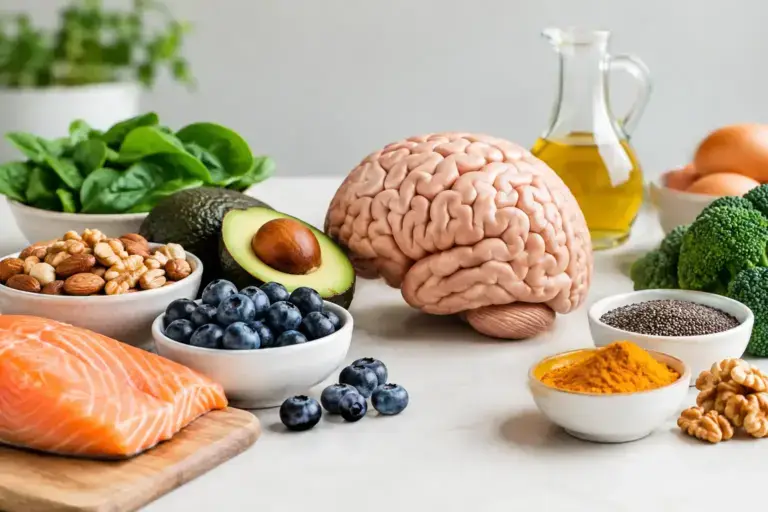
More importantly, protect deep sleep as if your future independence depends on it, because it may. Keep a consistent sleep schedule, address loud snoring or gasping, get morning light, move your body regularly, and limit alcohol close to bedtime. Build meals around fiber, colorful plants, healthy fats, and adequate protein. Keep learning, maintain social connection, and challenge the brain without living in a state of constant stress.
The right herb may support memory retention, but the deeper opportunity is to stop treating the brain like a machine that only deserves attention after it breaks. Start supporting its daily cleanup, recovery, and resilience now – while there is still time to shape the trajectory.
Similar Posts
Science-Backed Nootropics for Memory
Science backed nootropics for memory can help support focus, recall, and brain resilience when chosen with evidence, safety, and strategy.
How to Improve Glymphatic Function Naturally
Learn how to improve glymphatic function naturally with sleep, movement, hydration, and daily habits that support the brain’s waste-clearing system.
Cognitive Lifestyle Factors That Protect Your Brain
Cognitive lifestyle factors influence sleep, brain clearance, stress, and resilience. Learn the choices that can help protect long-term brain function.
Top Nutrients for Brain Longevity That Matter
Learn which top nutrients for brain longevity support cellular energy, inflammation balance, circulation, and overnight brain clearance as you age.
How to Support Healthy Cerebrospinal Fluid Flow
Learn how to support healthy cerebrospinal fluid flow with sleep, movement, hydration, and medical awareness for long-term brain resilience every day.
Best Supplements for Neurological Wellness Support
Learn how the best supplements for neurological wellness support can complement sleep, movement, and glymphatic clearance for lasting brain resilience.